How to Start a Cat Yoga Routine: Step-by-Step Guide for Pet Owners
How to Start a Cat Yoga Routine: A Step-by-Step Guide for Pet Owners
Have you ever watched your cat stretch first thing in the morning and thought, wow, that looks like yoga? In a way, it does. Cats are naturally flexible, mindful, and completely present in the moment, which may be why “cat yoga” has become so popular with pet owners.
If you are curious about trying yoga with your cat nearby, the good news is that it does not need to be complicated. Cat yoga can be calming, playful, and a lovely way to spend quiet time together.
Here is a more natural, practical guide to getting started.
What Is Cat Yoga?
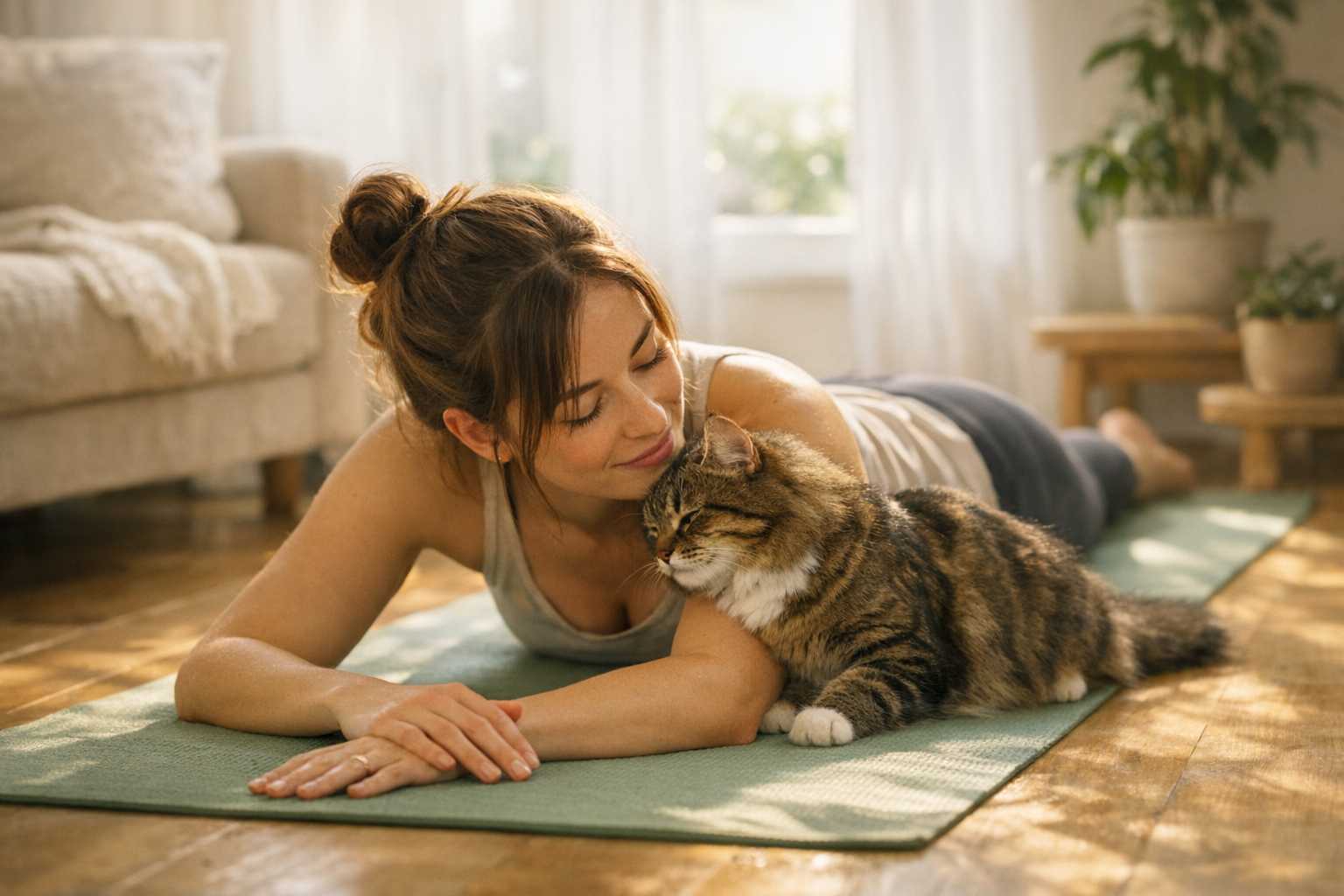
Cat yoga simply means doing yoga in the company of your cat. Sometimes your cat may stretch beside you, curl up on the mat, or wander in and out of your poses. Other times, they may just observe from a comfortable distance.
The goal is not to teach your cat yoga or get them to follow directions. Cats are independent animals, and that is part of their charm. Cat yoga is really about creating a calm shared space where you can relax, move, and enjoy each other’s presence.
Why Try Cat Yoga?
There are several reasons pet owners enjoy it.
It can help reduce stress. Gentle movement, deep breathing, and spending time with a pet can all support relaxation. Studies have shown that interacting with cats may help lower stress levels in some people.
It can strengthen your bond. Quiet, positive time together helps build trust and familiarity.
It makes yoga feel more playful. A cat wandering onto your mat may not improve your balance, but it can definitely make the experience more enjoyable.
It encourages mindfulness. Cats are experts at being present. Practicing near them can be a helpful reminder to slow down and focus on the moment.
Step 1: Choose the Right Time
Timing can make a big difference. Try to practice when your cat is already calm rather than full of energy.
For many cats, early morning or the evening can work well, but every cat has its own routine. The best time is usually when your cat seems relaxed and content.
Pay attention to body language. Slow blinking, gentle movements, and a relaxed posture are good signs. If your cat is darting around the house, swishing their tail sharply, or acting playful, it may be better to wait.
Step 2: Set Up a Comfortable Space
Choose a quiet room where your cat already feels safe. Cats usually prefer familiar environments, so a room they use often is ideal.
Place your yoga mat down and, if possible, add a soft blanket or cushion nearby for your cat. Some cats will claim the mat immediately, while others may prefer having their own spot close to you.
Keep the room as peaceful as possible. Turn off loud distractions, silence your phone, and create an environment that feels calm for both of you.
Step 3: Let Your Cat Explore First
Before starting, give your cat a few minutes to inspect the space. Let them sniff the mat, walk around it, or settle wherever they like.
This step matters because cats often need time to feel comfortable with anything new or unusual. Rolling out your mat a little early can help your cat adjust before you begin moving.
If your cat lies down in the middle of the mat, that is normal. If they stay across the room and simply watch, that is fine too.
Step 4: Begin With Gentle Movements
Start with simple, low-intensity poses rather than anything advanced. Slow, predictable movements are less likely to startle your cat and easier for you to hold if your furry assistant decides to get involved.
Good poses to begin with include:
- Child’s Pose
- Cat-Cow
- Seated Forward Fold
- Sphinx Pose
- Easy seated stretches
These poses keep you close to the ground, which can feel less intimidating for your cat and more inviting if they want to come near.
Step 5: Expect Interruptions and Enjoy Them
This may be the most important part of cat yoga: your cat will probably interrupt you.
They may sit on your mat, walk under you during a stretch, rub against your arms, or demand attention at the exact moment you are trying to focus. That is not a problem. It is part of the experience.
Rather than aiming for a perfect yoga session, treat these little interruptions as part of what makes cat yoga special. If your cat wants a cuddle break, take one. If they decide your mat is now their mat, you may need to adapt.
A sense of humor helps.
Step 6: Try Cat-Friendly Yoga Poses
Some poses tend to work especially well when practicing with cats nearby.
- Cat-Cow (Marjaryasana-Bitilasana): A natural choice that gently warms up the spine.
- Child’s Pose: Restful and grounded, often encouraging cats to settle beside you.
- Sphinx Pose: Calm and low to the floor, which many cats seem to like.
- Seated Forward Fold: Quiet and still, making it easier for your cat to relax near you.
- Downward Dog: Fine to include, but be prepared for your cat to walk underneath you.
Holding poses a little longer can help create a more peaceful rhythm and give your cat time to settle.
Step 7: Focus on Slow, Steady Breathing
Breath is central to yoga, and it also helps set the tone of the session. Slow, even breathing can make the environment feel calmer for both you and your cat.
Breathe in gently through your nose and exhale slowly. The goal is not to breathe loudly, but to stay steady and relaxed.
If your cat starts purring nearby, consider it a bonus. Many people find the sound deeply soothing, and some research suggests that purring may have calming effects on humans as well.
Step 8: End With a Quiet Moment Together
Finish your session with a few minutes of stillness. You might sit comfortably, lie down in savasana, or simply rest on the mat.
If your cat chooses to come closer, let them. Some cats will curl up beside you, sit on your chest, or rest near your legs when everything becomes quiet.
You can gently place a hand on your cat if they are comfortable with it and take a few slow breaths. Even a short moment like this can feel grounding and restorative.
Step 9: Make It a Positive Experience
When the session ends, help your cat associate the experience with comfort and safety. Offer affection, a few gentle scratches, or a small treat if that fits your usual routine.
Positive reinforcement can make your cat more likely to return the next time you unroll the mat.
Over time, some cats begin to recognize the routine and come over as soon as they see the mat come out.
Step 10: Keep the Routine Simple and Consistent
Consistency helps, especially with cats. Try practicing two or three times a week at about the same time of day if possible.
Keep sessions short in the beginning. Ten to twenty minutes is more than enough. As both you and your cat get used to it, you can always make your practice longer.
The goal is not to build a strict performance routine. It is to create a habit that feels easy, calming, and enjoyable.
Tips for a Better Cat Yoga Experience
A few extra pointers can make things smoother:
Keep the environment familiar. Using the same room each time can help your cat feel more secure.
Avoid forcing interaction. If your cat wants to leave, let them. Cat yoga should always be voluntary.
Keep your mat clean. Cat hair tends to collect quickly, so regular cleaning helps.
Use sound thoughtfully. Soft music may help some cats relax, but keep the volume low and avoid anything overstimulating.
Be careful with scents. This is important: many essential oils, including lavender, can be unsafe for cats, especially in diffusers or concentrated forms. If you want to use any scent in the room, check with your veterinarian first and prioritize your cat’s safety.
Common Mistakes to Avoid
Here are some of the most common issues people run into:
Starting with sessions that are too long. Shorter is usually better at first.
Expecting your cat to participate. Some cats will engage a lot, while others will barely acknowledge what you are doing.
Using strong fragrances or diffusers without checking safety first. Cats are sensitive to many substances that seem harmless to humans.
Getting frustrated by interruptions. Cat yoga is not traditional yoga. Flexibility and patience are part of the practice.
Trying it with multiple cats right away. If you have more than one cat, introducing them one at a time may be easier.
Is Cat Yoga Right for Every Cat?
Not necessarily, and that is completely okay.
Some cats are naturally calm and curious and may love being part of your yoga routine. Others may be too active, too independent, or simply uninterested. Age, personality, energy level, and comfort with human activity all play a role.
Breed can influence temperament somewhat, but personality matters more than breed. A relaxed mixed-breed cat may enjoy cat yoga far more than a purebred cat known for being calm.
The best approach is simply to try it gently and see how your cat responds.
Final Thoughts
Cat yoga is not about perfect poses or a perfectly quiet room. It is about sharing a peaceful moment with your cat and being open to whatever happens.
Some days your cat may nap beside you through the entire session. Other days they may sprawl across your mat, interrupt your stretches, and turn your practice into a comedy show. Both versions count.
Roll out your mat, keep your expectations light, and enjoy the experience for what it is: a simple, calming way to connect with your cat.
Namaste — and maybe meow, too.
SEO Details
Best SEO Slug:
how-to-start-a-cat-yoga-routine
Focus Keyphrase:
cat yoga routine for pet owners
Meta Description:
Want to try yoga with your cat? Learn how to start a calming cat yoga routine with this friendly step-by-step guide for pet owners, including tips, poses, and safety advice.