Multi-Cat Playtime: Group Activity Ideas and Schedules
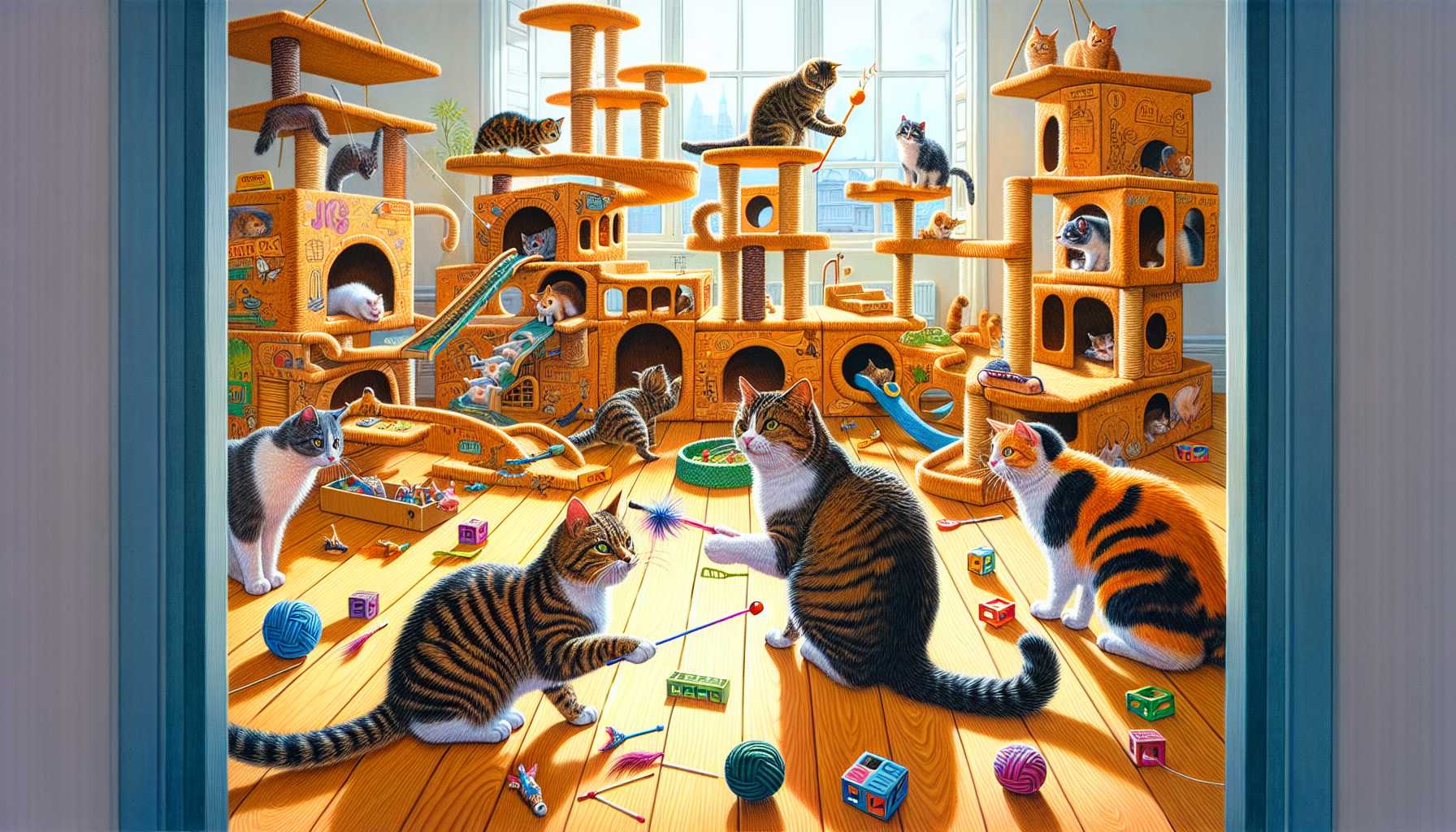
Group Activities and Schedules for Multiple Cats: Making Playtime Fun
Living with several cats doubles or triples the joy of pet ownership. However, it also necessitates planning activities that cater to each pet's unique personality, while also encouraging camaraderie among them. In this discussion, we'll share fun group activities to keep your multitudes of cats healthy, happy, and harmonious.
Understanding the Social Dynamics of Multiple Cats
Cats, like humans, are individuals with their own characters. Some enjoy company, while others prefer alone time. Observing your cats' interactions and understanding their social dynamics is essential before introducing group play activities.
Keep an eye out for positive behaviors such as: - Mutual grooming - Comfortably sleeping together - Playful chasing - Sharing favored sunny spots
However, watch out for negative signs like continuous hissing, swatting, and hiding. Such behaviors don't necessarily mean group play is off the table, but they do indicate a need for a more measured approach and patience.
Optimal Timing for Group Play for Cats
Creating a successful playtime routine largely depends on timing. Cats are naturally most active during dawn and dusk. Aligning playtime with these "crepuscular" periods can be highly effective.
Morning Play (7-8 AM): Begin the day with a short 15-20 minutes of group fun. Use interactive toys for the best results as they are more engaging for fresh and alert cats.
Evening Fun Time (6-8 PM): Organize longer sessions of around 30-45 minutes in the evening. This helps exhaust their energy and prepares them for a restful night. It's often more effective to split the playtime into multiple short bursts rather than a long, continuous session.
Extra Weekend Sessions: Incorporate midday activities during weekends when you are available. Even a short, 10-minute session can significantly influence your cats' mood and behaviour.
Suggestions for Toys Catering for Multiple Cats
Choosing the right toys can turn your house from a cat-chaos zone into a hub of fun. Group-friendly toys include:
Feather Wands and Teasers: Play with various wands at once. Each cat can have its own "prey" to engage with. Change the movements to keep them all interested.
Laser Pointers (Use Cautiously): Always avoid directing lasers at your cats' eyes. End laser play by introducing a physical toy. It helps avoid frustration arising from their inability to capture their laser prey.
Balls and Mice Toys: Lightweight balls enliven chase games among cats. Opt for balls of different sizes and textures for variety and engagement.
Puzzle Feeders and Treat Dispensers: These combine mealtime with playtime. Scatter various puzzles across the room and let each cat solve them at its pace while still being part of the group.
Building Fun Group Activities
Design group activities to accommodate variances in energy levels and play styles. Some proven strategies include:
Treasure Hunt: Hide treats or mini-toys around the room. Cats derive pleasure from the natural foraging behavior this activity promotes.
Cardboard Castle Adventures: Construct intricate cardboard structures. Cut out holes for hiding and jumping routes. Cats love having their personal sections within the castle.
Rotating Toy Stations: Set up different activity sections. Designate one area for climbing, another for hunting, and another for puzzles.
Group Training Sessions: You can train cats! Teach them simple commands and reward their group participation.
Catering to Varied Energy Levels
Not all cats are created equal—some are lively athletes, and others are lazy loungers. Tailoring activities to fit different stamina and interest levels is crucial.
Three-Tier Approach: Begin with intense activities for energy-intense cats, use medium-energy activities for semi-active cats, and provide quiet options for less energetic cats.
Rotation Strategy: Kickoff with high-energy games and progress to slower activities over time. This allows each cat to join in at its comfort level.
Example Schedules for Daily and Weekly Routines
Structure encourages expectation and decreases disputes.
Example of a Daily Schedule:
- 7:00 AM: Quick feather wand session, scatter treat hunt, fresh water
- 12:00 PM: Puzzle feeders, gentle laser play, window bird watching
- 6:30 PM: Interactive toy rotation, cardboard castle exploration, wind-down with catnip toys
- 9:00 PM: Quiet activities only, gentle brushing, final treat satisfaction
Weekly Schedule Variations:
- Monday/Wednesday/Friday: New toys or activities with high energy
- Tuesday/Thursday: Moderate activity with traditional favourites
- Weekends: Longer sessions and special projects
Overcoming Common Problems
Every well-planned activity can face hurdles. Here are some solutions to common issues:
Dominant Cats: Use barriers or separate rooms to establish different play zones.
Toy Arguments: Offer each cat identical toys to reduce competition.
Differing Activity Preferences: Conduct varied activities to cater to diverse preferences.
Age Differences: Older cats need gentler activities, kittens may require shorter, more frequent sessions.
Indicators of Successful Group Play
Not sure if you've cracked the code to successful cat playtime? Look out for these signs of success:
Physical Signs: Willing participation, no hiding or aggression, relaxed body language, post-play appetite.
Behavioral Changes: Lesser day-to-day disputes, improved sleep cycles, less destructive behavior, increased bonding among cats.
Long-term Benefits: Better overall health, improved litter habits, stress reduction, stronger family bonds.
Making Playtime Special
Consider these ideas for enhancing the play experience:
Theme Days: Assign themes to specific days.
Seasonal Activities: Involve your cats in safe seasonal activities like spring cleaning or leaf playing.
Photography Sessions: Document your feline friends' adventures.
Guest Participation: Invite family and friends to play with your feline family.
Conclusion
Playtime for multiple cats need not be stressful. With proper timing, planning, and patience, you can create enjoyable experiences that foster stronger bonds between you and your furry friends and among the cats themselves. Remember, the ultimate goal is happy cats and a harmonious household-which will inevitably lead to happy humans!