International Rescue Cat Adoption: Cross-Border Guide
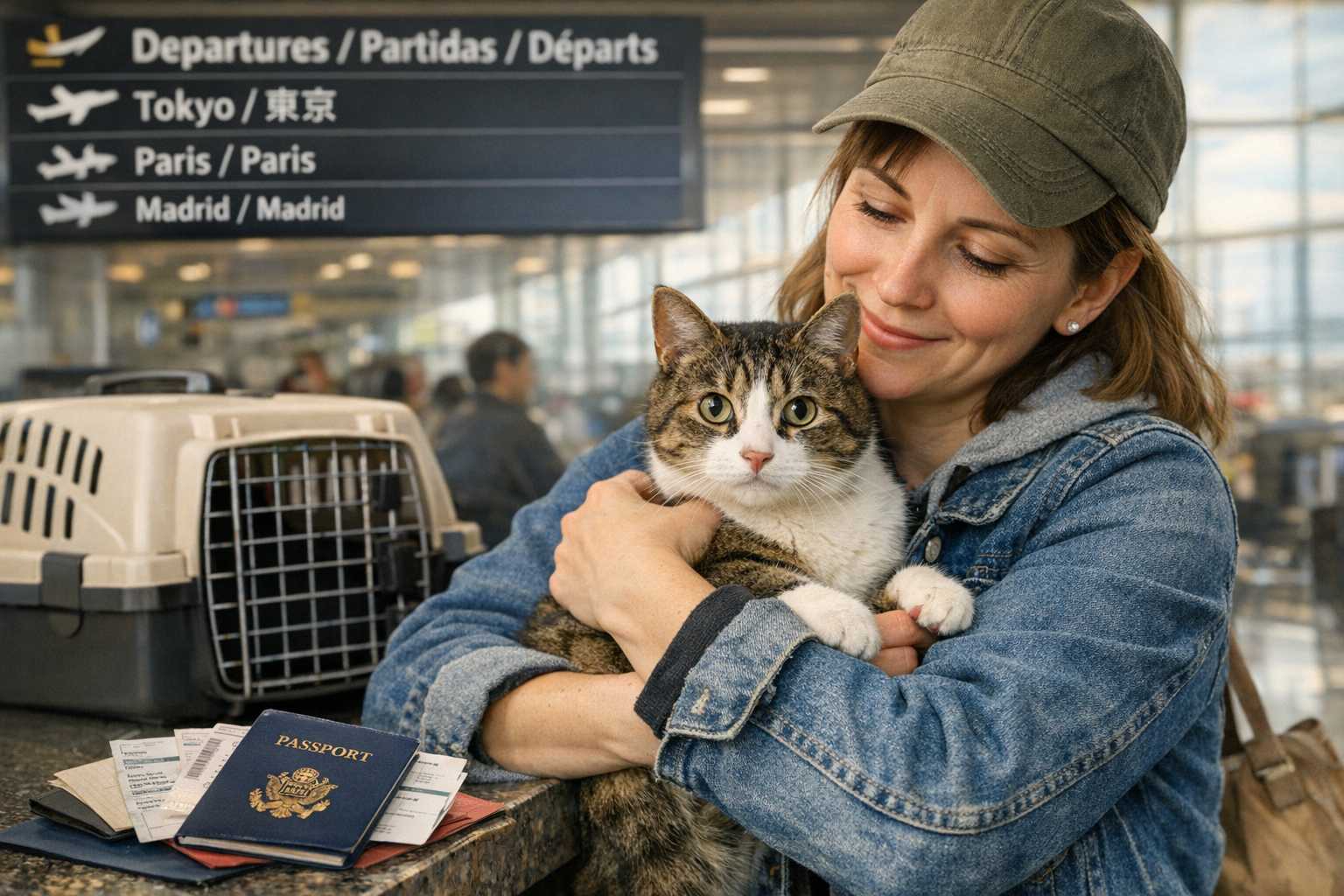
A Comprehensive Guide to Cross-Border Cat Adoption
Annually, there are millions of cats on a global scale seeking loving homes. Sometimes, the ideal fuzzy friend isn't at your local animal shelter. Perhaps you've become smitten with a rescue cat from a foreign country or you're relocating internationally and are looking to adopt a local cat.
Adopting a cat from overseas might seem daunting, but with the right guidance, it can become manageable and straightforward. This guide will provide you with all the necessary information.
The Benefits of International Cat Adoption
Choosing to adopt a cat from overseas allows you to explore a wealth of potential pets beyond domestic borders. This could mean discovering unique breeds not native to your region. Some countries are overwhelmed with an excess of cats in dire need of homes.
Numerous rescue organizations operating globally relentlessly strive to protect and rehome cats. Often, these organizations charge less for adoptions compared to domestic shelters. As well as this, your adoption can contribute meaningfully to international animal welfare.
The adoption process demands patience and thorough planning, but the gratification of saving a cat's life is priceless.
Comprehending Legal Criteria
Every country has distinct import laws pertaining to pets. Before initiating the process, comprehensive research is essential.
Most countries mandate health certificates issued by certified veterinarians. Your cat will need to have certain vaccinations and treatments. Often, it is compulsory to conduct blood tests to screen for specific diseases.
Quarantine durations differ between countries with some places requiring isolation for weeks or even months. However, others may have shorter quarantine periods for pets with adequate documentation.
You should contact your country's pet import agency as soon as possible. They can offer official guidance and clarify acceptable entry points. Do not solely depend on rescue organization for legal counsel.
Vital Health Documentation
Thorough health documentation is non-negotiable for international adoption. Your rescue cat requires a certified clean bill of health.
Start with a comprehensive vet examination. The vet conducting this exam must be licensed to issue international health certificates and this typically happens within ten days prior to the journey.
Vaccinations recommended usually include rabies, FVRCP and more. Some countries necessitate specific vaccine products or procedures. The timeframe between each vaccine dose is also important.
Treatment for parasites is a standard requirement. Your pet will need deworming and protection against fleas. Blood tests are carried out to screen for conditions like FeLV and FIV.
Keep all original documents in a secure place, and make additional copies for your records.
Selecting Trustworthy International Rescue Organizations
Unfortunately, not all international rescue organizations operate ethically, which makes conducting comprehensive research before adoption crucial.
Respectable organizations are transparent and provide comprehensive information on their websites. They should willingly disclose their registration numbers and veterinary affiliations. Reliable organizations also offer extensive medical histories for each of their cats.
It's important to read through reviews from previous adopters thoroughly, and monitor social media for any recent updates or interactions. Legitimate organizations actively post about their cats and ongoing activities.
Be proactive in asking about their adoption process. Trustworthy organizations welcome inquiries and offer detailed responses. Exercise caution if they pressure you or ask for unusual forms of payment.
A video call with your prospective pet is a reasonable request. Reputable organizations aim to ensure suitable matches too.
The Costs and Modes of Transportation
Transporting a cat internationally necessitates specialized services, with several options based on distance and associated regulations.
Professional pet transport companies tackle everything from documentation to the delivery of your pet. They might be costly but certainly relieve stress. Costs generally vary from $1,000 to $5,000, depending on distance.
Some adopters organize personal pick-up trips. This method works well for nearby countries with accessible borders. However, all necessary documentation and carrier requirements are still essential.
Commercial airline cargo is another viable option. Numerous airlines offer pet transport services with temperature-controlled sections. The costs for these services tend to be lower but require more direct involvement from you.
Avoid services that seem unusually inexpensive. The safety of your cat hinges on proper handling and the use of legitimate transport methods.
Preparing Your Home before The Arrival
Cats adopted from overseas may need additional time to adjust. They've likely experienced significant stress during the journey and quarantine.
Before your pet arrives, set up a quiet room with essential amenities such as food, water, a litter box and comfortable hiding spots. Initially, keep other animals separated.
Ensure that you have a supply of the same food brand you're pet has been consuming to avoid sudden dietary changes which could cause digestive problems during an already stressful period.
Be ready to manage possible behavioral issues. Some cats may take weeks to feel secure in their new homes - demonstrating patience and consistency can help significantly.
Within a few days of their arrival, schedule a checkup with a local vet. It's beneficial to establish local care relationships, even for healthy pets.
Handling Quarantine Procedures
Many countries impose quarantine periods for imported pets to protect the local animal population from diseases.
Government-approved facilities for quarantine vary in standards and price. Thoroughly research your options and make a reservation in advance as popular facilities can fill up quickly.
Some countries allow home quarantine for pets with the proper paperwork. This typically involves secure housing and regular vet visits. Home quarantine is usually less distressing for most cats.
Budget separately for quarantine expenses in addition to adoption fees. Facilities charge daily rates to house and look after pets. These costs can accumulate quickly.
If permissible, visit your pet during quarantine. Your presence can help reduce their stress and start the bonding process.
Common Hurdles and Solutions
Adopting internationally presents new challenges compared to adopting locally. However, preparedness can help tackle issues with ease.
Language barriers can make communication with foreign rescue organizations difficult. When needed, use translation apps or bilingual assistants. Written communication helps keep a record of important details.
Time-zone differences can impede real-time communication. Plan conversations ahead of time and show patience when waiting for responses.
Handle currency exchange and international payments with caution. It's safer to use established services like PayPal or bank transfers. Avoid using cash or untraceable payment methods.
Weather conditions can delay transport schedules. Be flexible with your timelines to accommodate unexpected delays.
Ensuring Long-Term Happiness
Adopting a cat from overseas is just the first step in your pet's journey. Their long-term happiness depends on your ongoing dedication and understanding.
Some internationally adopted cats may have unknown histories which could impact their behavior or health needs. Engage with experienced vets familiar with rescue animals.
Your cat may also be accustomed to commands from non-English speaking countries. Be patient when introducing new verbal cues.
If possible, maintain communication with the rescue organization. They can often provide valuable information about your cat's background and requirements.
Share your cat's progress and success stories to encourage others considering international adoption.
Making a Global Difference
Adopting a rescue cat internationally has a multi-dimensional impact on a global level. Your decision can aid multiple cats beyond just the one you adopt.
Adoption fees fund rescue operations, helping to rescue more cats. Many organizations use these funds for vet care, food and improving shelters.
Success stories can inspire others to choose international adoption, increasing the demand for rescue services and expanding their capabilities.
Adopting internationally also reduces the demand for commercial breeders, addressing the global issue of pet overpopulation.
Consider extending your support to your rescue organization through donations or volunteer work. Physical distance doesn't limit meaningful, ongoing support.
Your newly adopted international cat represents rescue animals worldwide. Their story can inspire more people to open their homes and hearts to animals in need.
The process of adopting a cat internationally requires commitment, patience and resources, but the reward of saving a life and gaining a loving companion is invaluable. By adequately planning and setting realistic expectations, you can successfully navigate the process and welcome your special rescue cat into your family.