Post-Adoption Support: Resources for Rescue Cat Parents
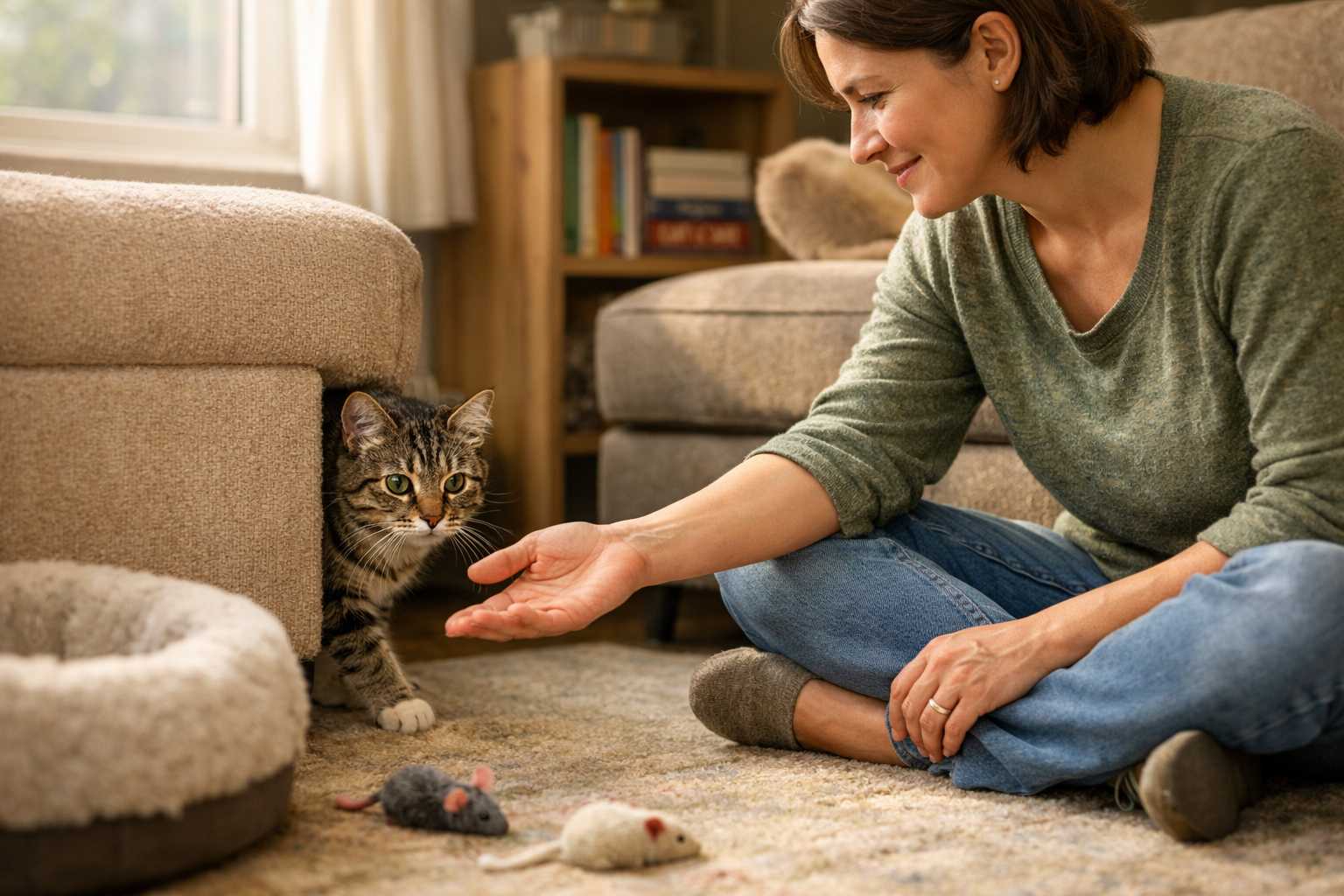
Support for New Owners of Adopted Cats
Becoming a parent to a rescue cat is immensely gratifying, albeit, at times, daunting.
Don't worry, this journey isn't one you have to travel alone. What you're experiencing is normal for any new rescue cat owner.
The great news is that there are readily available resources to assist both you and your new feline companion in flourishing together.
Understanding Your New Cat's Distinct Needs
Rescue cats usually have their own unique background stories. Some may have suffered horrible treatment or neglect, while others just need time to adjust to their new surroundings.
It's commonplace for your cat to spend days hiding or appear anxious around particular sounds. Patience is essential during this adjustment period.
Trust building is a gradual process. While some cats settle within days, others may need weeks or even months.
Critical Veterinary Assistance and Tools
Paramount to your rescue cat's health is finding appropriate veterinary care. Within the first week of adoption, schedule a wellness check for your cat.
Numerous vet clinics provide discounted services for recently adopted pets. Therefore, don't miss out on inquiring about these deals when booking an appointment.
Think about getting pet insurance at an early stage. Should your cat develop health complications down the line, insurance can save you thousands of dollars.
Maintain a list of nearby emergency veterinary clinics. This information can prove invaluable in the event of an after-hour crisis.
Behavioural Aid and Training Resources
It's quite common for rescue cats to have behavioural difficulties. Issues like scratching furniture, problems with litter box use or excessive hiding can lead to aggravation.
Be sure to seek out qualified feline behaviourists within your local area. Many offer virtual consultations, making professional assistance readily available.
The International Association of Animal Behavior Consultants has a directory of recognised professionals that can assist you in finding credible experts near you.
Certified trainers such as Jackson Galaxy and Pam Johnson-Bennett have YouTube channels that provide free behavioural advice and addresses common cat issues.
Online Communities and Support units
Facebook groups catered to rescue cat parents offer round-the-clock advice from seasoned pet owners. You can search for groups tailored to your cat's breed or age.
Subreddits like r/cats and r/CatAdvice offer user-friendly platforms to seek advice, with generally supportive and well-informed communities.
Local pet store noticeboards often advertise local support groups. These in-person sessions can prove very beneficial for new pet owners.
Groups catered for senior or special needs pets can offer insight into unique challenges you may encounter.
Financial Aid Programs
Several organizations offer financial assistance for pet care, as pet ownership can sometimes be burdened by unexpected medical costs.
The Pet Fund provides grants for non-emergency veterinary treatments, focussing on primary medical needs that improve the quality of a pet's life.
RedRover Relief offers emergency financial help for pets in crisis, with an easy and empathetic application process.
Several local shelters maintain funds for those struggling with pet upkeep, check with your adoption agency to find out about available initiatives.
CareCredit provides special financing for veterinary expenses, making costs more manageable over monthly installments.
Educational Tools for New Cat Owners
Investing time in understanding feline health, behaviour and nutrition can considerably assist cat care.
The ASPCA website provides comprehensive guides on primary cat care, with articles penned by veterinarians and animal behaviour professionals.
Cat health apps like "11Pets" help manage vaccines, meds, vet appointments, which can ease stress during chaotic times.
Local libraries often stock excellent books on cat behaviour and health. Borrowing books provides a cost-effective way to broaden your understanding.
Creating a Support Network
Never underestimate the value of connecting with other cat owners in your community. Dog parks aren't just for dogs - many cat owners gather there too.
Pet supply store workers often have their own pets and are usually happy to share their insights and experiences with you.
Consider volunteering at your local animal shelter. Not only will you meet like-minded individuals, but you'll also be aiding other animals in need.
Readiness Resources for Emergencies
It's essential for cat owners to be prepared for possible emergencies. Random events or natural disasters can strike unexpectedly.
Establish a pet emergency kit with food, water, medication, and essential documents. Keep everything stored in an easy-to-reach container.
Before you need them, identify pet-friendly hotels and shelters in your local area. They can provide limited accommodations during a crisis.
Keeping a recent photo of your cat on your phone can aid identification if you're ever separated during an emergency.
Plan for Long-Term Wellness
Regular preventative care can maintain your rescue cat's good health and prevent costly problems. Identify a trusted veterinary practice.
Maintain detailed records of your cat's health history, including treatments and vaccines. This information could prove invaluable in the future.
Consider early dental care for your cat. Dental disease is prevalent in cats and can lead to significant health problems.
Senior cats require more regular veterinary visits. Budget for these additional medical expenditures as your cat ages.
Know When to Seek Professional Help
If your cat's health or behaviour strikes you as abnormal, trust your instincts. You know your cat better than anyone else.
Immediate veterinary attention is required if there are sudden changes in eating, drinking or litter box habits. Such changes usually signify underlying health problems.
If behaviour issues persist despite your best efforts, it may be worth investing in professional help. Qualified behaviourists can identify problems you may overlook.
Don't wait for problems to become severe. Intervening early can bring about more effective and cost-efficient results.
Cherish Your Shared Journey
Remember to acknowledge every achievement, regardless of how minor it might seem.
Capture the progress of your cat with photos and videos. With time, you will be amazed to see your pet's growth and development.
Update the shelter where your cat was adopted with your success stories. These updates will be appreciated by the staff and volunteers who cared for your pet.
Remember, you and your rescue cat chose each other. This special bond makes the trials worthwhile.
Becoming a rescue cat parent is a learning journey. Embrace the process, and remember, assistance is always at hand when you require it.