Rescue Cat Transportation: Safe Journey Home Guide
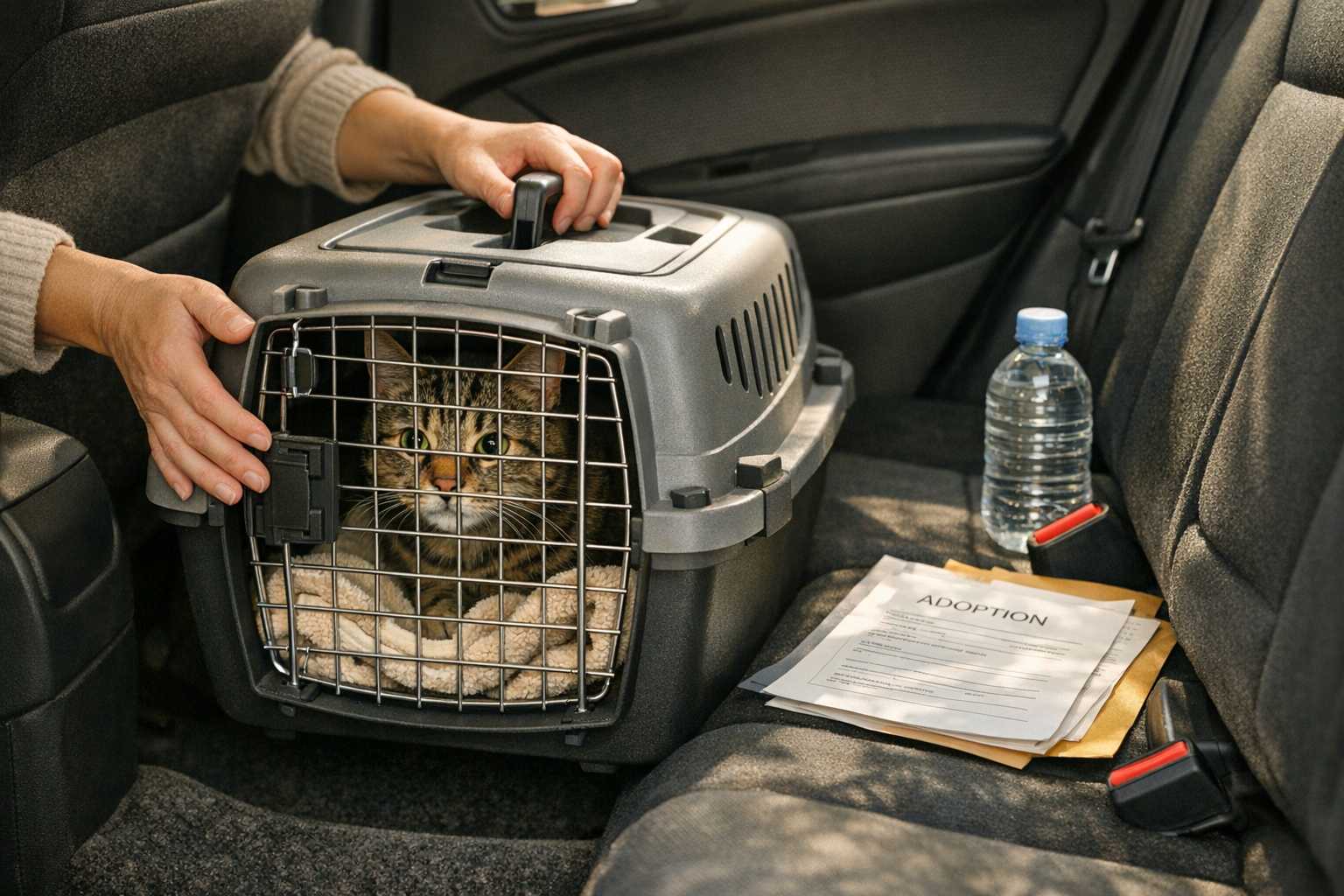
Guide to Safely Transporting Your Rescue Cat Home
Embarking on the journey home with your newly adopted rescue cat is a thrilling experience. However, the journey can produce stress for both you and your feline companion. This guide is designed to make this travel experience as safe and relaxed as possible for your new pet.
Preparations for Your Rescue Cat's Initial Travel
Good planning is key. Your rescue cat has already undergone substantial changes. A smooth first journey sets the stage for its new life with you.
Start preparations ideally a day before the pickup. Assemble all necessary equipment and strive for a calm atmosphere in your vehicle. Remember, this might be your cat's first time in a car in a long while, possibly months or years.
Selecting an Ideal Cat Carrier
The carrier is a crucial purchase. Even for short travels, it's unsafe to transport a rescue cat without a carrier. Frightened cats can hide under car seats or distract the driver.
Look for carriers with these characteristics:
- Secure locks that won't unintentionally open.
- Adequate ventilation from many sides.
- Convenient access via the top and front openings.
- Enough space for your cat to turn around and stand.
- Robust design that won't cave in.
Hard-sided carriers are frequently a better choice than soft ones. They give more protection and create a safer feeling for nervous cats. Size plays a role as well - too small can feel restrictive, but too big can lead to sliding during turns.
Key Necessities for Safe Travel
Before departure, pack these necessities:
Comfort Supplies: - Comforting blanket or towel with familiar smells. - Small toy that your cat is intrigued by. - Soothing pheromone spray for the carrier.
Safety Must-Haves: - Extra carrier locks or zip ties as a spare. - Paper towels for any mishaps. - Plastic bags for cleaning up. - Mobile with the rescue center's contact details.
Documentation: - Adoption documents. - Medical history. - Emergency vet contact information.
Standard Procedures to Comfort Your Cat During Transit
Comforting your feline starts even before leaving the rescue center. Familiarize your cat with the carrier and put a blanket inside to let them knead and get comfortable.
Throughout the journey, talk to your cat in a soft, reassuring voice, which many cats find soothing during stressful moments. Avoid loud music or abrupt noises that might scare them.
Keep the carrier in a secure place, but don't cover it entirely. Majority of the cats prefer to see their environment instead of being in the dark. Yet, a light cloth over some part of the carrier can help nervous cats feel like they're hiding.
Vehicle Safety Recommendations and Setup Instructions
In your vehicle, place the carrier securely. The best option is often the back seat floor as it's stable and located away from airbags. To prevent sliding, use seat belts or elastic cords.
Never put carriers in the front seat where airbags can deploy. Avoid the trunk or truck bed entirely due to possible temperature extremes and insufficient ventilation.
Ensure a comfortable temperature as cats can quickly overheat in a carrier, particularly if anxious and panting. Use air conditioning or open windows for efficient air circulation.
Handling Travel-Related Anxiety and Stress
Most rescue cats display some travel-related anxiety. This is perfectly normal and expected. If your cat appears especially uneasy, safely pull over to evaluate the situation. Sometimes it helps to simply stop moving. Speak calmly and only open the carrier if absolutely needed.
Consider using calming aids if your cat travels poorly. Check with the rescue center for any natural recommendations. Unless prescribed by a vet, avoid using sedatives.
Specific Preparations for Extended Journeys
Trips longer than two hours need extra planning. Like humans, frequent hydration and bathroom breaks are important for cats.
Don't forget to pack these added items: - Portable water bowl. - Small amount of food your cat is accustomed to. - Disposable litter tray. - Cat harness and leash for supervised breaks.
Plan for breaks every two to three hours in peaceful areas far from active roads or dog parks. Never leave your cat unattended in the car, especially during hot weather.
Settling in at Home: The Initial Few Hours
The journey doesn't end for your rescue cat upon arrival at home. The next step is acclimatizing them to their new surroundings, which calls for patience and tact.
Initially, keep the carrier shut, allowing your cat to observe their new environment from the safety of their temporary haven. They'll need time to process the new smells and sounds.
Prepare a serene refuge room with necessities: - Food and water bowls. - Litter tray. - Soft bedding. - Hiding places.
Open the carrier door and let your cat come out when they feel ready. Some may immediately start exploring, while others may hide for several hours or days. Both reactions are perfectly normal.
Prevalent Transportation Errors to Sidestep
Learn from the experiences of other cat parents to avoid common missteps:
Never allow cats to roam freely in vehicles. Even the calmest cats can become anxious and cause accidents. Carriers are essential for safety, not optional.
Don't rush the proceedings. Make provision for possible delays or necessary breaks. Hurrying can add unrequired stress.
Avoid overwhelming your cat with immediate introductions. Allow them to settle before introducing family members or other pets. First impressions are crucial.
Building a Positive Association with Traveling
Your rescue cat's initial trip home sets the expectation for future car travel. Maintain composure to ensure a positive experience as cats quickly pick up on human emotions.
After arriving home, keep the carrier accessible, allowing your cat to voluntarily explore it, ideally with treats and soft bedding inside. This positive association can help with future vet visits.
With patience and gradual exposure, some cats become comfortable travelers, while others always prefer staying at home. Both preferences are valid ensuring comfortability during necessary trips should be your main focus.
Final Reflections on Ensuring Safe Feline Travel
Safely transporting your rescue cat demands preparation, patience, and optimal gear. Remember, each cat adjusts differently, so don't fret if your journey doesn't play out as anticipated.
Remember, your rescue cat has already displayed remarkable resilience. They've overcome trials and are ready to experience the love and safety that you'll provide. A safe journey home is merely the starting point of your exciting life together.
Capture these memories with photos on arrival home - you'll cherish these memories of your cat's first day in their forever sanctuary. Welcome to the rewarding world of cat guardianship.