Cat Head Tilting Behavior: What Your Cat's Head Movements Reveal
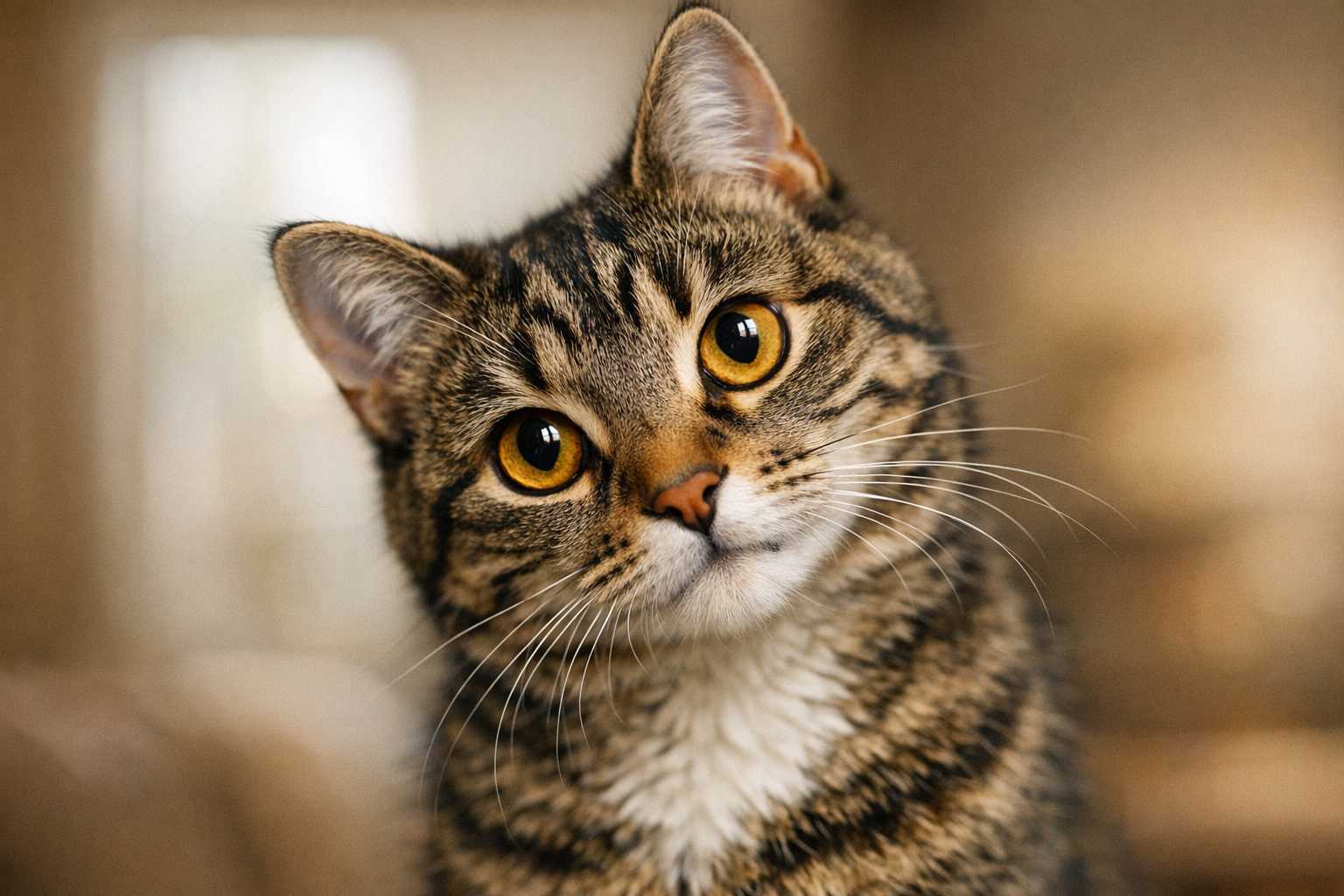
Cat Head Tilting Behavior: What Your Cat’s Head Movements May Be Telling You
SEO Slug: cat-head-tilting-behavior
Focus Keyphrase: cat head tilting behavior
Meta Description: Wondering why your cat tilts their head? Learn what cat head tilting behavior can mean, when it’s harmless, and when it may point to a health problem.
Have you ever been talking, making a noise, or playing with your cat when they suddenly stop, stare, and tilt their head to one side?
It’s cute, a little puzzling, and hard not to love. But it also raises a fair question: why do cats do this?
Cat head tilting behavior can be completely normal, especially when a cat is curious or trying to focus on a sound. In some cases, though, a head tilt can also be a sign of an ear problem, a balance disorder, or another medical issue.
Here’s how to tell the difference between a harmless quirk and something that deserves a closer look.
What Is Cat Head Tilting Behavior?
Cat head tilting behavior refers to the way a cat angles their head to one side. Sometimes the movement is brief and subtle. Other times, it’s more noticeable.
A head tilt may happen when your cat hears an unusual sound, watches something move, or pays close attention to your voice. In many cases, it’s simply part of how cats gather information about the world around them.
That said, not every head tilt is innocent. If the tilt is persistent, severe, or paired with other symptoms, it may signal an underlying health problem.
Curiosity Is One of the Most Common Reasons
In many cats, head tilting is simply a sign of curiosity.
Cats are highly observant animals. When something catches their attention, they often pause and assess it carefully. Tilting the head may help them take in a sound, movement, or new situation from a slightly different angle.
In other words, your cat may just be thinking, “What exactly is that?”
This kind of head tilt is usually brief, occasional, and linked to something specific in the environment.
Your Cat May Be Trying to Pinpoint a Sound
Cats have excellent hearing, and their ears are designed to help them detect and locate sounds with impressive accuracy.
When a cat tilts their head, they may be adjusting their position to better identify where a sound is coming from. This is especially common when they hear:
- Your voice
- A squeaky toy
- Birds outside the window
- A rustling bag or box
- An unfamiliar sound in the home
So if your cat tilts their head when you speak, there’s a good chance they’re listening closely and trying to make sense of what they hear.
Cats Often React to Familiar Voices
Research suggests that cats can recognize their owner’s voice, even if they don’t always respond in obvious ways.
If your cat tilts their head while you’re talking, especially when you use a playful or high-pitched tone, they may simply be focusing on your voice. They are likely responding to the sound, rhythm, and emotional tone rather than understanding every word.
It’s a small behavior, but it can be a sign that your cat is engaged and paying attention to you.
High-Pitched or Unusual Noises Can Trigger It
Cats are especially sensitive to high-frequency sounds. That’s one reason they often react strongly to squeaks, chirps, rustling, or electronic noises that humans may barely notice.
A head tilt in these moments may be part of your cat’s attempt to process something interesting or unfamiliar. It doesn’t necessarily mean anything is wrong. In fact, it often reflects a cat who is alert, mentally engaged, and investigating their environment.
Head Tilting Can Happen During Play or Hunting
Even indoor cats retain strong hunting instincts.
When a cat watches a toy, insect, or moving object, they may tilt their head before pouncing. This can help them focus more carefully on movement and distance.
If your cat tilts their head while tracking something across the floor or staring at a fluttering object, that behavior is often tied to play, stalking, and natural predatory focus.
In this context, a head tilt is usually completely normal.
Sometimes a Head Tilt Points to an Ear Problem
Not every head tilt is playful or curious. In some cases, it can be related to ear discomfort or disease.
Possible ear-related causes include:
- Ear infections
- Ear mites
- Wax buildup
- Inflammation
- A foreign object in the ear canal
If your cat is tilting their head repeatedly and also showing signs such as scratching at the ears, head shaking, sensitivity to touch, redness, discharge, or an unpleasant odor, an ear issue may be the cause.
Cats with ear pain may also seem irritable or less willing to be handled around the head.
If you notice any of these signs, it’s best to schedule a veterinary exam.
A Persistent Head Tilt Is More Concerning
An occasional head tilt that lasts a few seconds is very different from a head tilt that does not go away.
If your cat’s head remains tilted for hours, days, or longer, that is not considered normal. A persistent head tilt can be associated with disorders affecting the inner ear, nervous system, or balance system.
Potential causes include:
- Vestibular disease
- Inner or middle ear infection
- Inflammation
- Neurological disease
- Polyps
- Trauma
- Toxin exposure
- Less commonly, tumors
A lasting or pronounced head tilt should always be evaluated by a veterinarian as soon as possible.
Feline Vestibular Disease: A Common Medical Cause
One important cause of abnormal cat head tilting behavior is feline vestibular disease.
The vestibular system helps control balance, orientation, and coordination. When something interferes with that system, a cat may suddenly develop dramatic symptoms, including:
- A fixed head tilt
- Loss of balance
- Stumbling or falling
- Walking in circles
- Leaning to one side
- Rapid, involuntary eye movements, called nystagmus
- Nausea or vomiting in some cases
Vestibular disease can look frightening, especially when it appears suddenly. However, some cases, particularly idiopathic vestibular disease, may improve significantly with supportive care and time.
Still, because similar symptoms can also be caused by infections or neurological conditions, veterinary evaluation is essential.
How to Tell the Difference Between Normal and Concerning Head Tilting
If you’re unsure whether your cat’s head tilt is harmless or serious, look at the full picture.
Usually normal:
- The tilt is brief and occasional
- It happens in response to a sound, voice, or movement
- Your cat seems alert, comfortable, and otherwise normal
- There are no other symptoms
More concerning:
- The tilt lasts for a long time or seems constant
- Your cat appears dizzy, disoriented, or unsteady
- There is ear scratching, head shaking, or signs of pain
- You notice vomiting, circling, falling, or abnormal eye movements
- Your cat seems withdrawn, distressed, or confused
As a general rule, occasional head tilts tied to curiosity are usually harmless. Persistent head tilting, especially with other symptoms, should never be ignored.
Does Head Tilting Mean Your Cat Loves You?
Possibly, in an indirect way.
A head tilt doesn’t automatically mean affection, but it can happen when your cat is focused on you and interested in what you’re doing. Cats who feel safe and connected to their humans often pay close attention to their voice, facial expressions, and routines.
So while the tilt itself is more about attention and sensory processing than love alone, it can certainly show that your cat is tuned in to you.
And yes, that’s still pretty endearing.
Fun Facts About Cat Head Tilting
Here are a few lighter facts about this charming behavior:
- Kittens may tilt their heads more often as they explore and learn about new sights and sounds
- Cats can tilt their heads in either direction depending on what they’re tracking
- Some cats seem to have a more expressive or dramatic style of communication than others
- Dogs also tilt their heads, though the reasons may differ somewhat
- Head tilts are so loved online because they combine curiosity, attention, and body language in one very cute gesture
How to Encourage Healthy Curiosity in Your Cat
If your cat’s head tilts are part of normal curiosity, there are plenty of ways to support that natural engagement.
Talk to your cat
Use gentle, varied tones. Many cats respond to familiar voices and enjoy the interaction.
Offer interactive toys
Wand toys, puzzle feeders, and treat toys keep your cat mentally stimulated.
Rotate enrichment activities
New toys, cardboard boxes, cat-safe scents, and window perches can all make the environment more interesting.
Use sound thoughtfully
Soft nature sounds or cat-friendly audio can spark interest, but avoid loud or stressful noises.
A mentally engaged cat is often a happier cat.
When to See a Vet About Cat Head Tilting Behavior
It’s always worth being cautious when behavior changes suddenly.
Make a veterinary appointment if:
- The head tilt lasts more than a few minutes or keeps returning frequently
- Your cat seems off-balance, weak, or confused
- There are signs of ear pain, discharge, odor, or scratching
- You notice rapid eye movements
- Your cat is vomiting, circling, falling, or stumbling
- Your cat stops eating or seems unusually quiet or lethargic
- The head tilt appears suddenly and is severe
A veterinarian may examine your cat’s ears, check balance and coordination, and recommend additional tests depending on the symptoms.
Prompt care can make a big difference, especially if an infection or neurological issue is involved.
Final Thoughts
Cat head tilting behavior is often harmless and can simply mean your cat is curious, attentive, or trying to better understand a sound or movement.
But while many head tilts are cute and completely normal, a persistent tilt is different. If your cat seems uncomfortable, unsteady, or otherwise unwell, it’s important to have them checked by a veterinarian.
The key is context. A quick tilt during play is usually nothing to worry about. A head that stays tilted, especially alongside other symptoms, is a sign to take seriously.
Cats may not be able to tell us when something feels wrong, but their behavior often gives us clues. Paying attention to those small changes is one of the best ways to care for them.
If this article helped you better understand your cat, consider sharing it with another cat owner who has wondered about that adorable little head tilt.