Cat Loaf Position Meaning: What It Reveals About Your Cat's Mood
Cat Loaf Position Meaning: What It Reveals About Your Cat’s Mood
Have you ever looked at your cat and noticed they’ve tucked all four paws neatly underneath their body?
They suddenly look like a tiny loaf of bread sitting on your couch.
It’s one of the cutest things cats do—but what does it actually mean?
The short answer: in most cases, the cat loaf position is a sign that your cat feels comfortable, safe, and relaxed. Still, like many feline behaviors, it can mean different things depending on the situation and your cat’s overall body language.
Let’s take a closer look at the cat loaf position meaning and what this adorable pose may be telling you.
What Is the Cat Loaf Position?
The cat loaf position is easy to recognize.
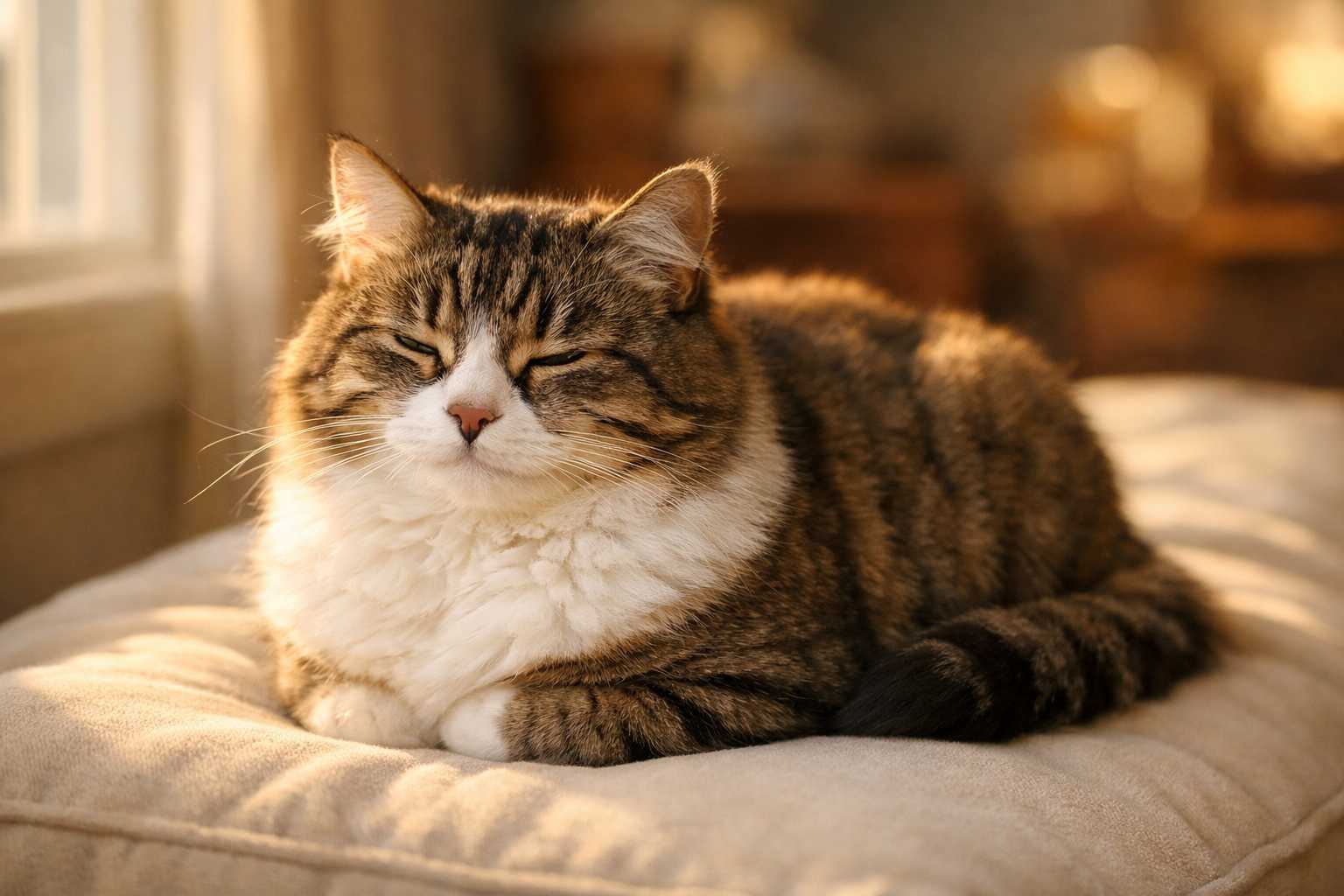
Your cat sits with their paws tucked underneath their body, often with the tail wrapped close to the side or around the body. Their head usually stays upright, and their body looks compact and still.
The result is the classic “loaf” shape that cat owners know and love.
As cute as it is, this posture is more than just a funny pose. It can offer useful clues about how your cat is feeling physically and emotionally.
Why Do Cats Sit in the Loaf Position?
Cats are very intentional with their body posture. The way they sit or lie down often reflects their comfort level, energy level, and awareness of their surroundings.
Here are the most common reasons cats loaf:
They Feel Safe and Relaxed
In many cases, a loafing cat is a comfortable cat.
When a cat tucks their paws underneath their body, they’re usually settling in to rest. They may not be in deep sleep, but they generally feel secure enough not to stay in a fully ready-to-run stance.
In other words, your cat is likely thinking, “I’m comfortable here.”
They’re Keeping Warm
Cats naturally seek warmth, and the loaf position helps them conserve body heat.
By tucking their paws under their chest and belly, they reduce heat loss and stay cozy. This is especially common in cooler rooms or during colder months.
They’re Resting Lightly
The loaf position often means your cat is resting, but not fully asleep.
They’re relaxed, yet still aware of what’s happening around them. It’s a light-rest posture—comfortable, but not completely switched off.
What Does the Cat Loaf Position Reveal About Your Cat’s Mood?
The loaf position can reveal quite a bit about your cat’s emotional state, but it should always be interpreted alongside other body language signals.
A Happy, Content Cat
If your cat loafs near you or in a familiar space, that’s usually a very positive sign.
It often means they feel comfortable, settled, and secure in their environment. If they choose to loaf in your presence, it can also suggest trust.
A Calm, Neutral Mood
Sometimes a loaf doesn’t signal anything dramatic at all.
Your cat may simply be calm, resting, and content. They’re not especially playful or sleepy—they’re just taking a quiet moment to relax.
Mild Uncertainty or Caution
In some situations, a cat may loaf when they feel slightly unsure.
For example, if they’re in a new environment or around unfamiliar people or animals, the loaf can be a reserved, self-protective posture. In these cases, your cat may be trying to stay still, compact, and observant until they feel more confident.
This is why context matters. A relaxed loaf and a cautious loaf can look similar at first glance, but the face, ears, eyes, and overall tension in the body will tell you more.
How to Read Your Cat’s Loaf More Accurately
Body position alone doesn’t tell the whole story. To understand what your cat is feeling, look at the full picture.
Check the Eyes
- Slow blinking usually suggests relaxation and trust
- Soft, half-closed eyes often mean your cat is comfortable or sleepy
- Wide eyes or dilated pupils can indicate alertness, excitement, stress, or fear, depending on the situation
Slow blinking back at your cat can be a gentle way to communicate affection and reassurance.
Look at the Ears
- Ears facing forward usually mean your cat is calm or curious
- Ears turned slightly to the side can suggest relaxed awareness
- Ears flattened backward may signal fear, irritation, or discomfort
Notice the Tail
- Tail resting quietly around the body often suggests calmness
- Tail tip twitching may indicate stimulation, focus, or mild irritation
- Puffed tail is a stronger sign of fear or agitation
Different Types of Cat Loaf Positions
Cat lovers have noticed that not all loaves look exactly the same. While these aren’t scientific categories, they can be fun and useful ways to describe your cat’s posture.
The Full Loaf
All four paws are hidden beneath the body, and the cat looks compact and symmetrical.
This usually suggests your cat is settled and comfortable.
The Partial Loaf
One paw—or sometimes both front paws—is still visible.
This can mean your cat is fairly relaxed but not fully settled, or simply transitioning in or out of the loaf position.
The Upright or “Tall” Loaf
The front of the body sits a little higher, making the cat look more upright.
This often happens when a cat is resting but still attentive to what’s going on around them.
The Extra-Cozy Loaf
Some cats tuck themselves in even more, lowering the head or pulling in tightly.
This often appears when they’re especially warm, sleepy, or comfortable.
When the Loaf Position Could Signal a Health Problem
Although loafing is usually normal, there are times when it may point to discomfort or illness.
A cat that appears relaxed in a loaf is usually fine. But if your cat looks tense, hunched, withdrawn, or unwilling to move, the posture may be different from a typical comfortable loaf.
Cats sometimes sit in a hunched or guarded position when they’re in pain, especially if they have abdominal discomfort, nausea, or soreness.
Watch for these warning signs:
- A tense, rigid, or hunched body
- Reluctance to move or be touched
- Hiding more than usual
- Loss of appetite or thirst
- Low energy that lasts more than a day
- Vomiting or diarrhea
- Unusual breathing
If you notice any of these signs along with persistent loafing or unusual posture, contact your veterinarian. It’s always best to be cautious, especially since cats often hide pain well.
How to Encourage Your Cat to Loaf More Often
If you want to see more of this adorable pose, the best thing you can do is help your cat feel safe, comfortable, and relaxed.
Here are a few simple ways to do that:
- Keep their environment calm and predictable
- Provide soft, warm resting spots around the house
- Place beds or blankets in quiet areas they already enjoy
- Avoid sudden loud noises whenever possible
- Respect their need for space
- Build trust through gentle, consistent interaction
A cat who feels secure is much more likely to rest in open, relaxed postures—including the classic loaf.
Fun Facts About the Cat Loaf
- The cat loaf became especially popular online as cat photos spread across social media
- Some people jokingly call it the “potato cat” pose
- Kittens can loaf from a young age
- Big cats such as lions and leopards may also rest in loaf-like positions
- Every cat seems to have their own version of the perfect loaf
Final Thoughts on Cat Loaf Position Meaning
The cat loaf position is more than just a cute pose.
Most of the time, it means your cat feels safe, comfortable, and relaxed. In some cases, it can also reflect caution, warmth-seeking, or light resting. The key is to look beyond the loaf itself and pay attention to your cat’s eyes, ears, tail, and overall tension.
Like so many cat behaviors, the loaf is a form of communication.
So the next time your cat turns into a little bread loaf on the couch, take a closer look. Chances are, they’re feeling pretty good—and that’s always nice to know.