Cat Personality Types: Creating Balanced Multi-Cat Homes
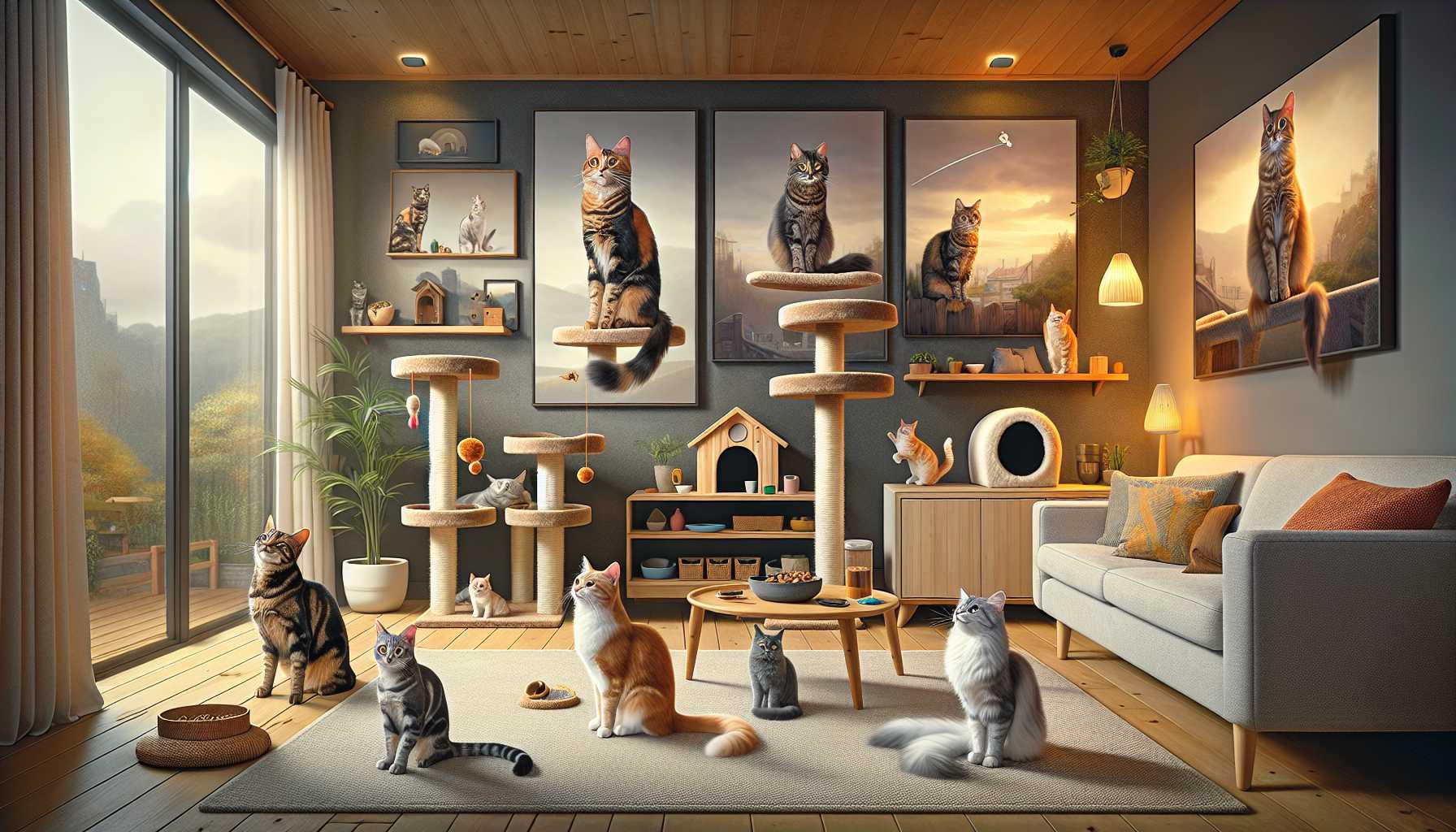
Understanding Cat Personalities: Fostering Balance in a Multi-Cat Household
Living with several cats can infuse your home with boundless joy. However, it can also present certain unique challenges. Getting to know each of your cats' unique personalities is crucial for ensuring a harmonious environment for everyone.
Getting to Know the Five Key Cat Personality Types
Even though each cat is distinctive, most tend to display certain behavior patterns. Understanding these common personality types can help us better gauge how our feline friends interact with each other and their surroundings.
The Sociable Cat
These cats adore company. They crave attention from both humans and other cats, often becoming the informal welcome wagon for the household. They're typically the first ones to welcome new visitors and cats.
Such outgoing cats make excellent housemates in multi-cat households. They help timid cats break out of their shell, but can be too much for more introverted cats to handle.
The Lone Ranger
These cats are fiercely independent, often preferring to observe things from a distance. They often pick quiet corners or high perches as their favorite spots.
While they might not be antisocial, independent cats do value their personal space and are selective with their interactions. Respecting their boundaries can lead to more peaceful interactions with their fellow feline companions.
The Fun-loving Joker
These lively cats treat everything as a game. They find joy in interactive toys, chasing games, and acrobatic feats, adding excitement and laughter to any household.
While some cats may enjoy the antics of these entertainers, others may prefer to steer clear. Matching energy levels can foster better companionships among cats. Pairing a playful cat with a more laidback companion can result in stress for both.
The Vigilant Protector
These protective cats are deeply committed to their family, quietly watching over human family members and other pets. They frequently choose vantage points from where they can monitor the entire house.
These guardians play a crucial role in maintaining peace in a multi-cat household. They rarely start fights, but are quick to intervene to diffuse them. Their calm demeanor can help more anxious cats feel secure.
The Tender Spirit
These emotionally sensitive felines are deeply in tune with their surroundings and are prone to strong reactions to changes. Such cats need a gentle touch, and plenty of patience.
In a multi-cat setting, these delicate souls require special consideration. A quiet environment and a predictable routine are best for their wellbeing. The behavior of their feline companions can either comfort them or cause them stress.
Nurturing Harmony Among Different Cat Personalities
The success of a multi-cat household depends on the understanding of how different cat personalities interact. Certain combinations naturally work well, while others might need delicate handling.
Pairing Compatible Personalities
Social cats often get along well with the vigilant protectors, with the latter offering stability and the former bringing fun and interaction into the mix. This combination helps maintain a balanced dynamic.
Independent cats are well complemented by other calm, respectful cats. Teaming them up with overly playful or needy cats can trigger stress and possibly lead to hiding behavior.
Active jokers thrive with equally energetic cats. However, having too many high-energy cats could eventually create turmoil. Keeping a balance is the key to a peaceful household.
Handling Complex Personality Combinations
When personality clashes occur, human intervention becomes necessary. Delicate, sensitive spirits may become overwhelmed by the antics of the fun-loving jokers. Setting aside separate, calming spaces can help both felines feel comfortable.
Lone rangers need escape routes to avoid the constant attention of the sociable cats. Creating vertical spaces and hiding spots can help prevent unwarranted encounters and maintain a peaceful co-existence.
Creating a Cat-Friendly Home Environment
Your home's design plays a vital role in maintaining harmony among your feline companions. A thoughtful design strategy that respects the varied personality types can help minimize instances of conflict.
Allocating Personal Space for Each Cat
Each cat should have its own set of essential resources. This includes separate food bowls, water dishes, litter boxes, and resting areas. Ideally, there should be one of each for each cat, plus one extra.
Vertical space is a highly prized asset in multi-cat households. Feline furniture like cat trees, perches, and shelves offer additional personal territory which is particularly important for independent cats who enjoy lofty spaces.
Setting up Different Feeding Areas
Food-related disputes cause numerous conflicts in multi-cat households. Designating separate feeding zones can help prevent resource guarding and reduce mealtime stress.
Some cats tend to eat quickly, while others prefer grazing. Factoring in these different eating styles can help keep every cat content and well fed. Automatic feeders are worth considering for cats with different feeding schedules.
Creating Multiple Comfort Zones
Every cat needs a sanctuary - a secluded space where it can unwind and relax. This becomes especially important for tender spirits and lone rangers. Cosy beds tucked away in quiet corners are likely to work well for many cats.
Social cats might prefer open spaces where they can keep an eye on household activity, while vigilant protectors may opt for vantage points that offer good visibility. Make arrangements to accommodate these preferences wherever possible.
Successfully Introducing New Cats
Integrating a new cat into a home occupied by existing cats requires careful planning. Awareness of the current cat's behavior can help gauge how they might react to new feline companions.
Preparing Your Current Cats
Before bringing home a new cat, evaluate the personalities of your current pets. Sociable cats are generally the quickest to adapt to new additions. Lone rangers typically need more time and private space during these transition periods.
Delicate spirits need special care and preparation for any changes in their household. Try to stick to their routines as far as possible during the initial introduction phase. This can help alleviate their stress and anxiety.
Adoption of Gradual Introduction Techniques
When introducing cats, always remember slow and steady wins the race. Begin by exchanging scents prior to any face-to-face meetings. This allows cats to gradually familiarize themselves with the presence of a new companion.
Direct visual contact should precede physical interaction. Devices like baby gates or screen doors can be effective at this stage. Be on the lookout for positive body language before moving to the next phase.
First meetings in a neutral space help avert territorial disputes. Keep initial interactions brief and ensure they end on a positive note. Gradually increase the interaction time as the cats start to feel more comfortable around each other.
Managing Disagreements in a Multi-Cat Household
Even well-matched cats may end up in an occasional spat. Understanding the root causes can help resolve these conflicts quickly and prevent them from recurring.
Recognizing Stress Triggers
Typical triggers include competition for resources, territorial disputes, and changes in the surroundings. Overzealous fun-loving jokers might unwittingly stress the delicate, sensitive spirits.
Health issues could also provoke clashes and changes in personality. Regular vet visits help diagnose health issues that might cause changes in behavior. Cats often become less tolerant of others when they are in pain or unwell.
Implementing Intervention Strategies
When conflicts arise, avoid punishing the cats involved. Instead, focus on identifying and addressing the underlying cause. This could entail providing more resources or modifying the home environment.
Pheromone diffusers can help lower overall household stress. These diffusers release synthetic feline pheromones that evoke feelings of safety and calm, which can be particularly handy during transitional phases.
Strategies for Long-term Success
Maintaining a harmonious multi-cat household is an ongoing process. Regularly observing and adjusting to the changing dynamics can help keep everyone content and healthy.
Monitoring Changes in Relationships
Cat relationships are not static; they evolve with time. Factors like age, health issues, significant details, can influence interactions between your furry friends. Be alert to any notable changes in household dynamics.
What works for adolescent cats may not be effective as they age. Older cats often display less tolerance for youthful exuberance. Adjust your expectations and living conditions accordingly.
Sustaining Individual Bonds
Remember to devote time to each cat individually. This is vital for independent cats, who might otherwise be neglected in a bustling multi-cat household.
Spending one-on-one time not only helps keep track of changes in behavior or health but also ensures each cat receives special attention tailored to its personality type.
Understand and appreciate your cats' distinct personalities to transform a multi-cat household from being hectic to peaceful. With patience, appropriate planning, and a considerate approach, cats of all personality types can coexist in harmony. The reward is a home filled with the unique joy that each cat's unique personality brings to your life.