Cat Rolling on the Ground: 7 Reasons Behind This Quirky Behavior
Cat Rolling on the Ground: 7 Reasons Behind This Quirky Behavior
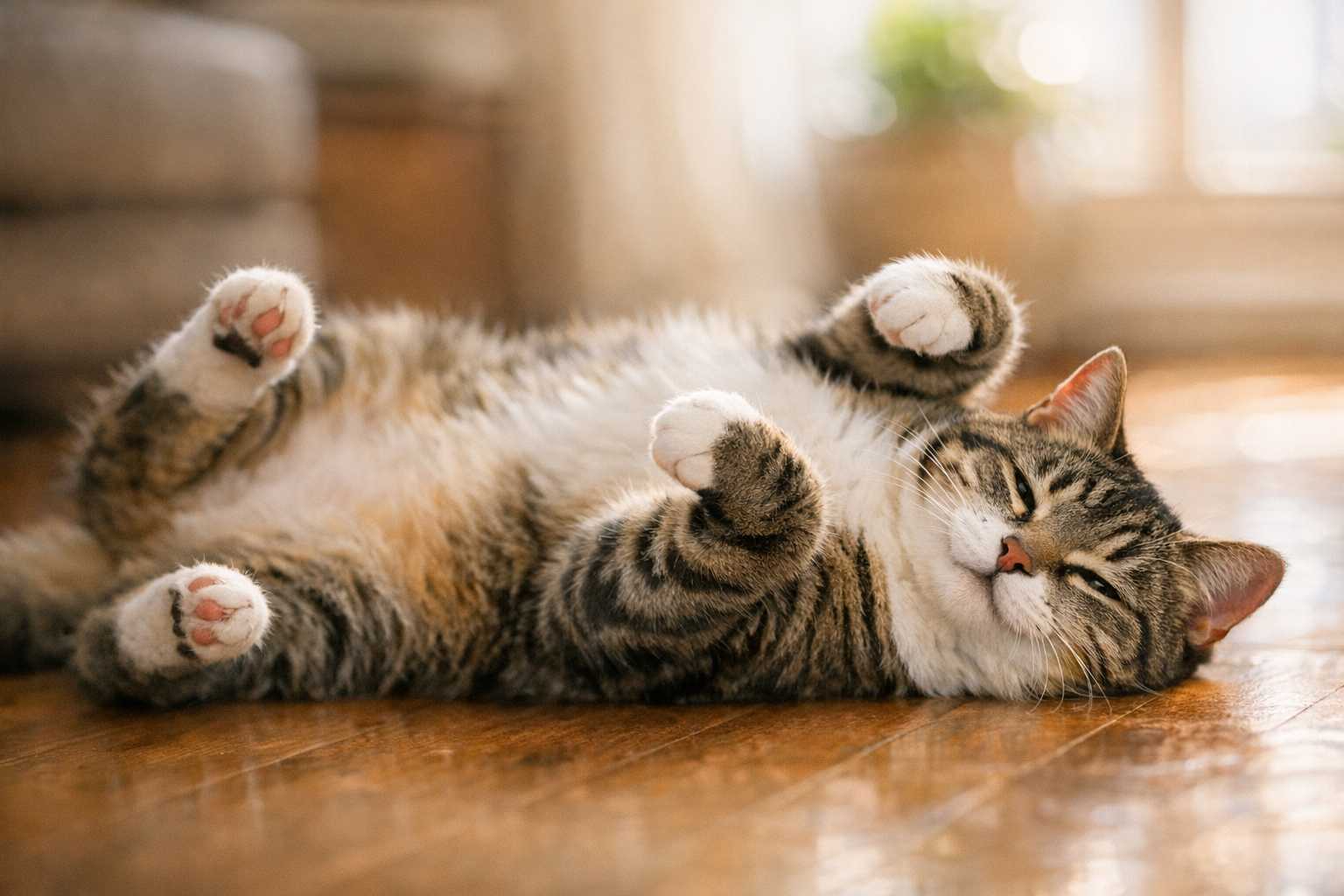
We’ve all seen it: your cat suddenly flops onto the floor and starts rolling around as if nothing in the world could possibly bother them. It’s adorable, a little funny, and sometimes a bit confusing. So, what does it actually mean?
In most cases, this behavior is completely normal. Cats roll on the ground for several different reasons, and the meaning often depends on the situation. Understanding why they do it can help you read your cat’s body language more clearly and strengthen your bond with them.
SEO Details
Best SEO Slug: cat-rolling-on-the-ground
Focus Keyphrase: cat rolling on the ground
Meta Description: Wondering why your cat keeps rolling on the ground? Discover 7 common reasons behind this quirky feline behavior, from happiness and playfulness to scent marking and catnip.
Why Do Cats Roll on the Ground?
Cats can be hard to read at times. One moment they seem distant, and the next they’re rolling at your feet. But this behavior is often a form of communication. In many cases, rolling is a sign that your cat feels safe, playful, or eager to get your attention. Other times, it may be linked to hormones, scent marking, or even skin irritation.
Here are seven of the most common reasons cats roll on the ground.
1. They Feel Happy, Safe, and Relaxed
One of the most common reasons cats roll on the floor is simple: they feel good.
When a cat is comfortable in their environment, they may stretch out, expose part of their belly, and roll from side to side. This often signals relaxation and a sense of security. Because the belly is a vulnerable area, this posture can also show trust.
That said, a cat showing their belly is not always an invitation for a belly rub. For many cats, it’s more of a sign that they feel safe than a request to be touched.
2. They Want Attention
Cats quickly learn which behaviors get a response from their humans. If rolling on the floor makes you stop, talk to them, or come closer, they may do it again because it works.
This is especially common when you come home, walk into a room, or are about to feed them. In those moments, rolling can be your cat’s way of greeting you or asking for interaction.
In other words, sometimes that dramatic floor flop is simply your cat saying, “Notice me.”
3. An Unspayed Female Cat May Be in Heat
For unspayed female cats, frequent rolling can be a sign of being in heat.
Cats in heat often become more vocal, more affectionate, and more likely to rub against people, furniture, and floors. Rolling is a common part of that behavior and is linked to hormonal changes.
If your female cat is not spayed and suddenly starts rolling more than usual along with yowling or restless behavior, heat may be the reason. Spaying typically prevents this cycle and can also provide important health and behavioral benefits.
4. They’re Marking Their Territory
Cats have scent glands on several parts of their body, including the face, paws, and around the tail area. When they rub or roll on a surface, they may be leaving behind their scent.
This is one way cats mark familiar spaces and make them feel safe. Outdoors, they may roll in grass, dirt, or on warm pavement. Indoors, they may do the same on rugs, tiles, or other favorite spots.
To us, it may look random. To your cat, it may be a way of claiming the area and surrounding themselves with familiar scents.
5. They’ve Been Around Catnip
If catnip is involved, rolling on the ground is a very common reaction.
Catnip contains a compound called nepetalactone, which triggers a temporary response in many cats. That response can include rolling, rubbing, purring, playful energy, and general silliness.
The effect is usually harmless and short-lived, often lasting around 10 to 15 minutes. Not every cat reacts to catnip, but for those who do, rolling is one of the classic signs.
6. They’re Trying to Scratch an Itch
Sometimes the explanation is as straightforward as it looks: your cat may simply be trying to relieve an itch.
Rolling on a rough or textured surface can help scratch areas that are hard to reach. A quick roll here and there is usually nothing to worry about.
However, if your cat is rolling excessively or also showing signs like frequent scratching, hair loss, dandruff, red skin, or overgrooming, it could point to fleas, allergies, or another skin problem. In that case, a veterinary checkup is a good idea.
7. They’re Feeling Playful
Rolling can also be part of play behavior.
A playful cat may drop to the floor, twist around, bat at the air, kick with their back legs, and then suddenly spring up and race away. In kittens and energetic adult cats, rolling is often just part of the excitement.
If the roll is followed by pouncing, toy chasing, or a burst of zoomies, your cat is probably in a playful mood and getting ready for action.
When Should You Be Concerned About Rolling?
Most of the time, rolling on the ground is harmless and completely normal. Still, there are situations where it may be worth paying closer attention.
You should contact your veterinarian if:
- your cat seems distressed while rolling
- they cry, yowl, or act as though they are in pain
- the rolling becomes sudden, constant, or unusual for them
- they also have hair loss, skin irritation, or intense itching
- the behavior appears alongside other changes, such as hiding, reduced appetite, or lethargy
As with many cat behaviors, context matters. A relaxed, playful roll is very different from rolling that seems frantic, painful, or obsessive.
Final Thoughts
Cats roll on the ground for many reasons, including comfort, trust, attention-seeking, scent marking, catnip excitement, itch relief, and playfulness. In most cases, it’s simply part of normal feline behavior.
The key is to look at what else is happening around the behavior. Is your cat purring and relaxed? Are they asking for attention? Did they just sniff catnip? Are they scratching more than usual? The answers can tell you a lot.
So the next time your cat dramatically throws themselves onto the floor and starts rolling around, you’ll have a better idea of what they’re trying to say. And as always with cats, part of the charm is that even their strangest habits usually have a reason.