Cat Sitting With Paws Tucked: Understanding the Loaf and Meatloaf Positions
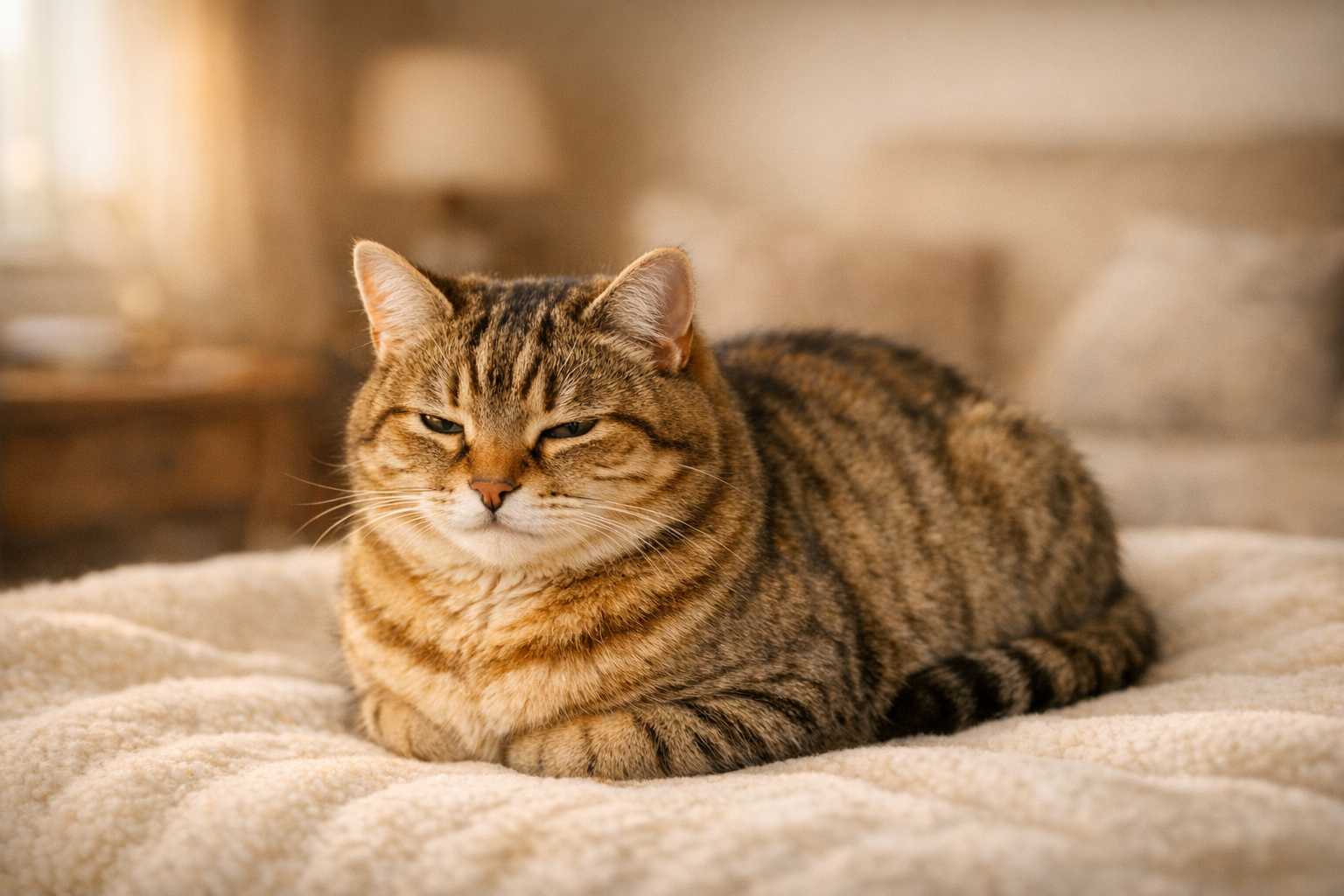
Cat Sitting With Paws Tucked: Understanding the Loaf and Meatloaf Positions
Have you ever glanced over at your cat and noticed they’re sitting perfectly still with their paws tucked completely underneath them?
It’s one of those little cat behaviors that never stops being cute. This posture is often called the loaf position, and a slightly more relaxed version is sometimes nicknamed the meatloaf.
As charming as it looks, this position can also tell you quite a bit about how your cat is feeling. In most cases, it’s a sign of comfort, warmth, and security. But in some situations, body posture can also hint that a cat isn’t feeling their best.
Here’s what the loaf and meatloaf positions really mean.
What Does It Mean When a Cat Sits With Paws Tucked?
When a cat sits with their paws neatly tucked under their chest and body, they often look a bit like a loaf of bread. That’s where the nickname comes from.
This posture usually means your cat is:
- relaxed
- comfortable
- calm but still aware of their surroundings
- trying to stay warm
Cats are very expressive through body language, and the loaf is generally considered a positive sign. A cat in a proper loaf usually feels safe enough to rest without needing to spring into action right away.
What Is the Loaf Position?
The loaf position describes a cat sitting upright with their paws hidden underneath their body. Typically, you’ll notice that:
- all four paws are tucked in
- the body looks compact and tidy
- the head stays upright
- the ears are neutral and relaxed
- the eyes may be open, soft, or half-closed
- the tail is wrapped close to the body or resting alongside it
A classic loaf looks balanced, relaxed, and comfortable. The cat is resting, but not fully asleep.
What Is the Meatloaf Position?
The meatloaf position is a less formal term for a looser, heavier-looking version of the loaf. In this posture, a cat may:
- lean slightly forward
- keep their paws tucked under the chest
- lower their head more than in a classic loaf
- appear sleepier or more deeply relaxed
Sometimes this is just a cat settling in for a rest. However, if the posture looks tense, hunched, or unusual for your cat, it can occasionally be associated with discomfort or pain.
That’s why context matters.
Why Do Cats Sit With Their Paws Tucked?
There are a few common reasons cats choose this position.
They Feel Safe
A cat won’t usually tuck their paws away if they feel threatened. When they do, it often means they’re comfortable enough to relax without needing to move quickly.
If your cat loafs around you regularly, that’s usually a lovely sign of trust.
They Want to Stay Warm
Cats love warm, cozy places. Tucking their paws underneath their body helps conserve heat, especially on cool floors or during colder weather.
You may notice more loafing in winter or in rooms that are slightly chilly.
They’re Resting Lightly
The loaf is often a “resting but not sleeping” posture. Your cat is settled and comfortable, but still aware of what’s happening around them.
It’s a kind of in-between state: relaxed, but not fully switched off.
It’s Simply Comfortable
Sometimes the simplest answer is the right one. For many cats, this posture just feels good.
Is the Loaf Position Always a Good Sign?
Usually, yes. In most cases, a cat sitting with paws tucked is relaxed and content.
That said, posture alone never tells the whole story. A cat that appears tightly hunched, withdrawn, or unusually still may not be loafing in the happy, relaxed sense.
When You Should Pay Closer Attention
It may be worth checking in with your vet if your cat is loafing more than usual and you notice other signs such as:
- low energy or lethargy
- loss of appetite
- hiding more than normal
- squinting or a pained expression
- poor grooming
- a tense, hunched body
- reluctance to move
- changes in breathing
Cats sometimes sit in guarded positions when they’re uncomfortable, especially if they have abdominal pain or general illness. A relaxed loaf and a painful hunch can look similar at first glance, so it’s important to look at your cat’s overall behavior, not just one pose.
If something feels off, it’s always safest to contact your vet.
What Does It Mean When a Cat Loafs Near You?
If your cat chooses to loaf next to you, on the sofa beside you, or even on your lap, take it as a compliment.
Cats are selective about where and when they fully relax. Loafing near you often means:
- they feel safe in your presence
- they enjoy being near you
- they trust you
- they see you as part of their secure environment
It may not be an overly dramatic declaration of affection, but in cat language, it’s a meaningful one.
Common Types of Cat Loaf Positions
Not every loaf looks exactly the same. Some common variations include:
The Classic Loaf
All paws tucked, body upright, head up. This is the textbook loaf.
The Partial Loaf
One paw may still be visible, or the cat may keep one front leg slightly out. They’re relaxed, but not fully tucked in.
The Leaning Loaf
The cat is mostly loafed but tilts slightly to one side. Often this is just a comfortable variation.
The Mega Loaf
Everything is tucked in, the cat looks extra round and settled, and the eyes are soft or sleepy. Maximum coziness.
The Meatloaf
A lower, heavier, more droopy-looking loaf that often appears when a cat is very relaxed. If it looks tense rather than restful, keep an eye on it.
Do All Cats Loaf?
Most cats loaf at some point, but some do it more often than others.
A cat’s loafing habits can depend on:
- personality
- confidence level
- age
- environment
- temperature
- physical comfort
Calm, confident cats may loaf more often because they feel safe and settled. More anxious or high-energy cats may prefer positions that let them move quickly.
Older cats may loaf more as they rest more often, while kittens may try the position briefly before immediately bouncing off to do something chaotic.
How to Encourage a Relaxed, Happy Loaf
If you want your cat to feel comfortable enough to loaf more often, focus on making their environment feel safe and cozy.
Create Quiet, Secure Spaces
Cats relax best when they have a sense of control. Provide calm areas away from noise, heavy foot traffic, and sudden disruptions.
Offer Warm Resting Spots
Soft beds, blankets, sunny windowsills, and heated cat beds can all encourage loafing.
Build Trust Gently
If your cat is shy, don’t force interaction. Speak softly, move calmly, and let them approach on their own terms. As trust grows, relaxed postures often follow.
Fun Facts About the Cat Loaf
- The cat loaf became especially popular online in the early 2010s.
- Some people jokingly call it the bread loaf, potato, or brick.
- Cats can remain in a loaf position for surprisingly long periods.
- The loaf is widely seen as a sign of comfort and security, though it should always be interpreted alongside other body language cues.
What Your Cat’s Loaf Is Really Telling You
A cat sitting with paws tucked under their body is usually sending a simple, reassuring message:
I feel comfortable here.
In many cases, the loaf means your cat feels safe, warm, and content. It’s one of the clearest little signs that they’re at ease in their environment.
So the next time you spot your cat neatly folded into a tiny loaf on the sofa, take a moment to enjoy it. It’s adorable, yes, but it’s also a small sign of trust.
And if your cat chooses to loaf right beside you, that’s even better. In their own quiet way, they’re telling you they feel at home.