Why Do Cats Turn Their Back on You? Understanding Feline Dismissal
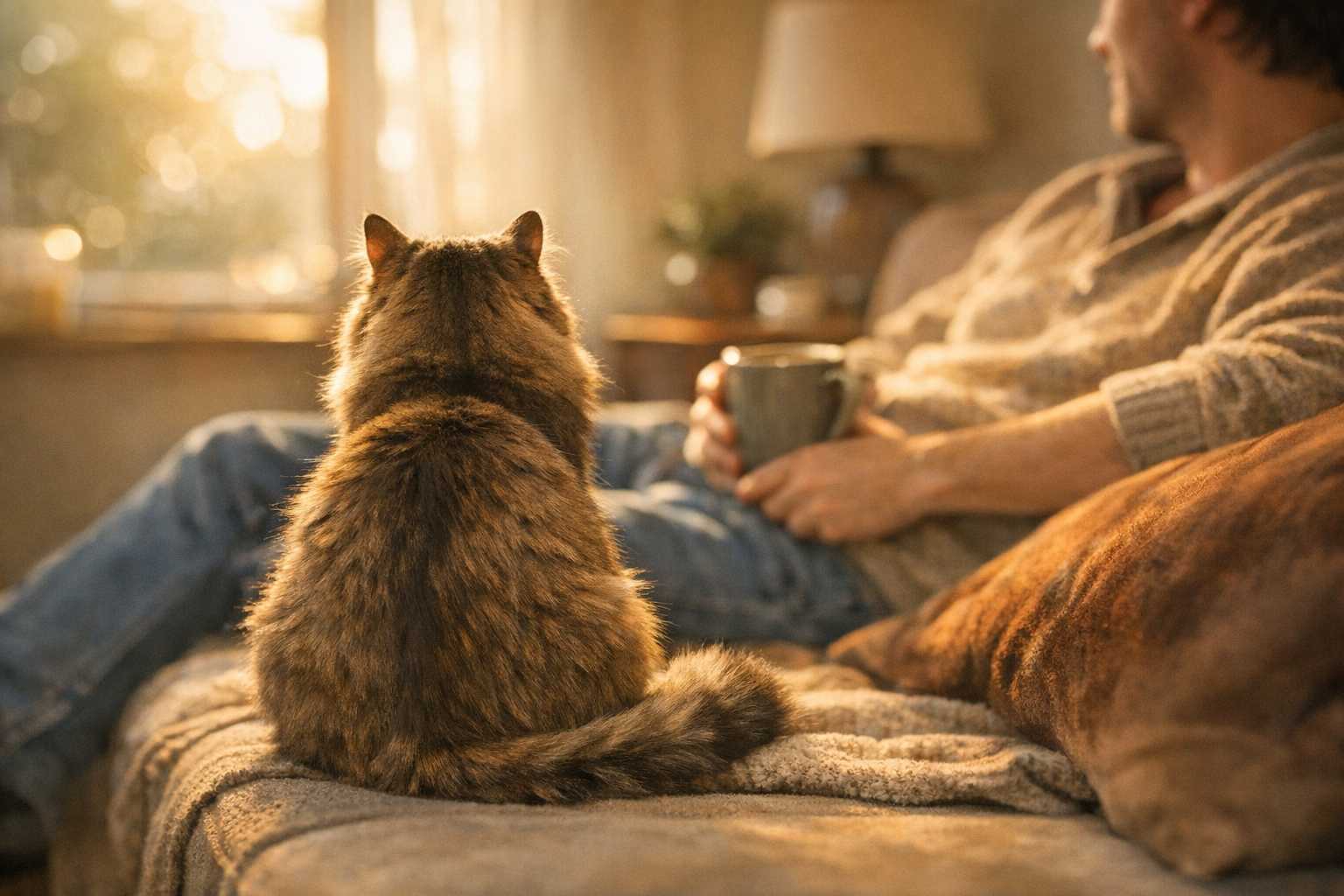
Why Do Cats Turn Their Back on You? Understanding What Your Cat Is Really Saying
If your cat has ever sat with their back to you—or casually turned around right when you were hoping for attention—you’re definitely not alone.
One moment they’re curled up beside you, purring like you’re their favorite person in the world. The next, you’re staring at their back end and wondering whether you’ve somehow offended them.
It can feel a little rude, but in most cases, it really isn’t. Cats communicate a lot through body language, and once you understand what this behavior usually means, it starts to look much less like rejection and much more like trust, boundaries, or simple cat logic.
Let’s take a closer look at why cats do this.
In Many Cases, It’s a Sign of Trust
One of the most common reasons a cat turns their back on you is surprisingly positive: they feel safe.
In the animal world, turning your back on someone leaves you more vulnerable. So when your cat does this around you, it often means they don’t see you as a threat. In other words, they trust you enough to relax instead of staying on guard.
That may not look affectionate in a very human way, but in cat language, it can be a real compliment.
Your cat may be saying, in their own quiet way, “I feel safe with you.”
Sometimes They’re Just Being Independent
Cats are affectionate, but they’re also famously independent.
Unlike dogs, many cats don’t feel a constant need to engage on command. If you call your cat and they slowly turn away, it doesn’t always mean they’re upset with you. Sometimes it simply means they’re doing their own thing and don’t feel like interacting at that moment.
That aloofness is part of feline personality. Even very loving cats can be selective about when and how they give attention.
So yes, sometimes your cat is ignoring you—but it’s usually more about their mood than about you.
They May Be Overstimulated
Cats can become overstimulated more quickly than many people realize.
If you’ve been petting, talking to, or handling your cat for a while, turning away may be their polite way of saying, “I’ve had enough for now.”
This is actually helpful behavior. Rather than swatting or biting, your cat is choosing distance.
Pay attention to other body language too. Signs of overstimulation can include:
- flattened ears
- a twitching or thumping tail
- rippling skin along the back
- dilated pupils
- sudden tenseness
If you notice these signals, it’s best to stop interacting and give your cat space.
They May Be Scent-Marking You or Staying Close
Cats rely heavily on scent to understand their world.
When they rub against you, sit close to you, or lean their body against you, they may be leaving their scent behind. This is one way cats mark people and places that feel familiar and safe.
If your cat turns their back to you while staying pressed against you, that can be part of this behavior. It may also mean they want contact without direct engagement.
In a very cat-like way, they’re choosing closeness on their own terms.
They Might Be Annoyed or Cooling Off
Cats can absolutely show irritation, and sometimes turning their back is part of that.
If you interrupted their nap, moved them from a favorite spot, or did something else they didn’t appreciate, they may turn away for a while. It’s not quite the same as human anger, but it can resemble a feline version of “I need a minute.”
If that happens, the best response is simple: don’t push it.
Give them time, let them reset, and allow them to come back when they’re ready.
The “Elevator Butt” Is Usually Friendly
Many cat owners know this moment well: you start petting your cat, and suddenly they lift their hindquarters toward your hand.
This behavior is often nicknamed the “elevator butt,” and it’s usually a positive sign. For many cats, especially when being scratched near the base of the tail, it means they’re enjoying the interaction.
This response may be linked to early grooming experiences from kittenhood, when their mother licked and cleaned them.
So while it may look odd to us, it generally means your cat is comfortable and wants you to keep going—at least for the moment.
Sometimes They’re Just Watching Something Else
Not every cat behavior has deep emotional meaning.
Cats are naturally alert animals. They like to monitor windows, doors, sounds, movement, and anything else that seems potentially interesting—or suspicious.
If your cat is sitting with their back to you, they may simply be focused on the room, the hallway, the bird outside, or some mysterious noise you haven’t even noticed.
In that case, you’re not being dismissed. You’re just not the most interesting thing happening right now.
How to Respond When Your Cat Turns Away
If your cat turns their back on you, the best response is usually to stay calm and not take it personally.
Here are a few good ways to respond:
- Give them space. Let them choose whether they want interaction.
- Avoid forcing attention. Chasing affection usually backfires with cats.
- Use a slow blink. This can signal trust and calmness.
- Speak gently. A soft voice can help your cat feel secure.
- Respect their limits. This builds trust over time.
The more consistently you respect your cat’s body language, the stronger your relationship is likely to become.
When It Could Be a Problem
Most of the time, this behavior is completely normal.
However, if your cat suddenly becomes withdrawn in a way that feels unusual—especially if they are also hiding, eating less, avoiding all contact, or acting unlike themselves—it’s worth paying closer attention.
Cats are very good at hiding pain and illness. A major change in behavior, particularly if it appears suddenly, can sometimes point to stress, discomfort, or a medical issue.
If you’re concerned, it’s always a good idea to check with your veterinarian.
The Bottom Line
When a cat turns their back on you, it usually isn’t an insult.
In many cases, it means they feel safe, comfortable, overstimulated, or simply focused on something else. Sometimes it’s a sign of trust. Sometimes it’s a request for space. And sometimes it just means your cat is being a cat.
The key is to look at the full context and your cat’s overall body language.
So the next time your cat gives you their back, don’t assume the worst. You may actually be getting one of the more subtle compliments a cat can offer.