Cat Dilated Pupils: What Your Cat's Eyes Are Telling You
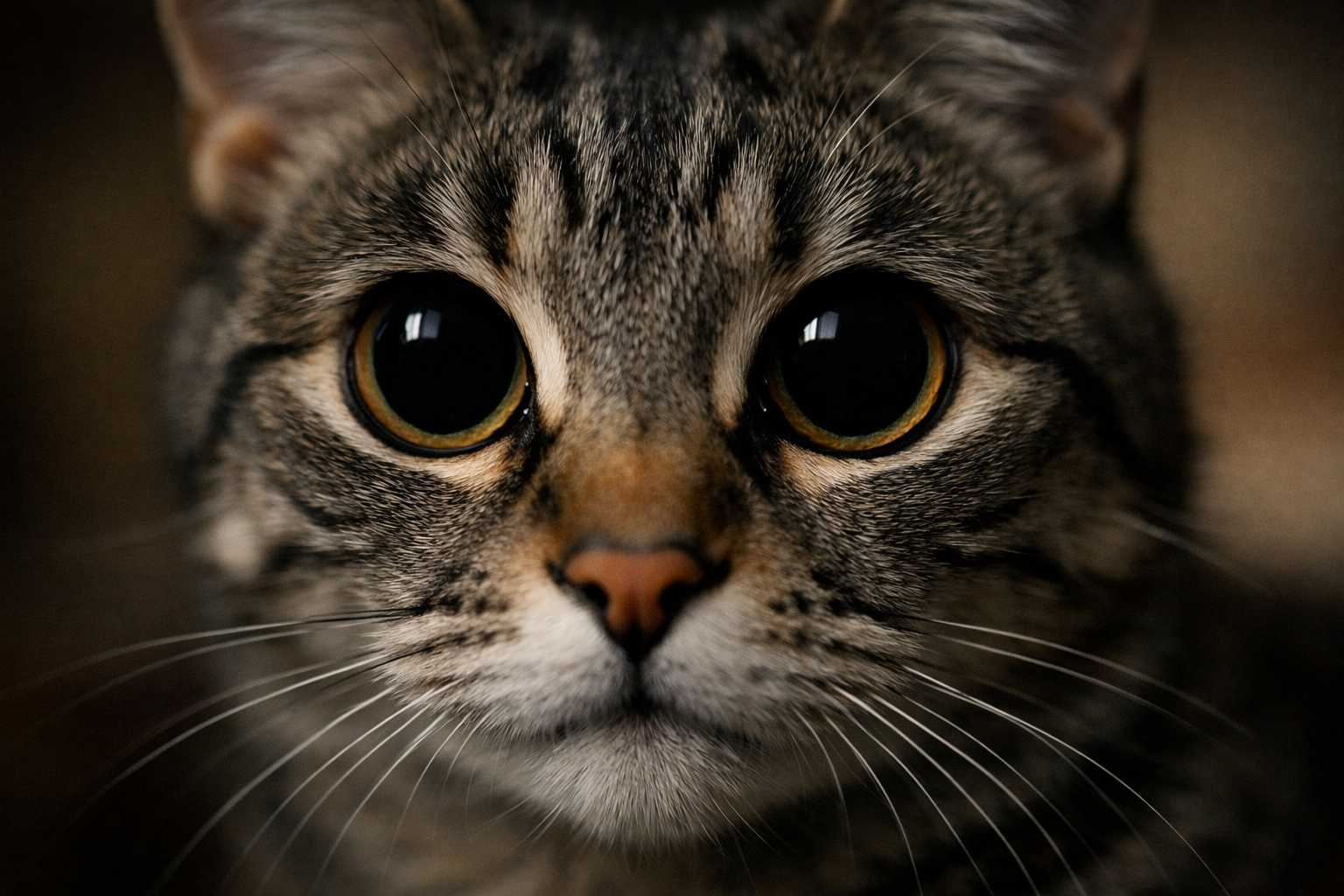
Cat Dilated Pupils: What Your Cat’s Eyes May Be Telling You
SEO Slug: cat-dilated-pupils
Focus Keyphrase: cat dilated pupils
Meta Description: Wondering why your cat has dilated pupils? Learn what cat dilated pupils can mean, from low light and playfulness to stress, pain, and medical issues that may need a vet visit.
Have you ever looked at your cat and noticed their pupils suddenly looking huge?
Sometimes it is cute and playful. Other times, it can seem strange or even a little worrying.
A cat’s eyes can reveal a lot about how they are feeling. Changes in pupil size may be completely normal, but they can also point to stress, pain, or an underlying health issue.
Learning to read your cat’s eyes, along with the rest of their body language, can help you better understand what they are trying to communicate.
Let’s take a closer look.
What Are Dilated Pupils in Cats?
Dilated pupils are pupils that appear larger than normal. The pupil is the black center of the eye, and it changes size throughout the day.
In some situations, large pupils are perfectly normal. In others, they may be a sign that your cat is frightened, overstimulated, in pain, or unwell.
The important thing is to look at the full picture, including the lighting, your cat’s behavior, and whether the pupils return to normal.
Why Do Cat Pupils Change Size?
A cat’s pupils change size mainly to control how much light enters the eye.
- In bright light, the pupils usually become narrow vertical slits.
- In dim light, they open wider to help the cat see better.
But light is only part of the story. Pupil size can also change because of:
- excitement
- fear
- stress
- pain
- certain medications
- neurological or eye-related medical conditions
In other words, your cat’s pupils respond not just to the environment, but also to what is happening inside their body.
Common Reasons for Cat Dilated Pupils
1. Low-Light Conditions
This is the most common and harmless reason.
If your cat is in a dark room or it is dusk or dawn, their pupils will naturally widen to let in more light. Cats are especially good at seeing in low-light conditions, which is one reason they are often most active around sunrise and sunset.
If your cat’s pupils are large in the dark but return to normal in brighter light, that is usually completely normal.
2. Excitement or Play
Dilated pupils are very common during play.
If your cat is stalking a toy, crouching low, twitching their tail, or getting ready to pounce, their pupils may become very large. This happens because excitement activates adrenaline and heightens focus.
In these moments, wide pupils usually mean your cat is engaged, stimulated, and having fun.
3. Fear, Stress, or Anxiety
Large pupils can also be a sign that your cat feels scared or unsafe.
When cats are frightened, their bodies go into a fight-or-flight state. Their pupils dilate to help them take in more visual information and react quickly.
Other signs of fear may include:
- ears flattened back
- crouching or freezing
- a puffed-up tail
- hiding
- hissing or growling
If your cat seems frightened, give them space and allow them to calm down in a quiet, safe area.
4. Aggression or Defensiveness
Dilated pupils can sometimes appear when a cat is feeling defensive or aggressive.
Fear and aggression can look similar, so it is important to pay attention to your cat’s whole body language. A cat with wide pupils, a tense body, and a fixed stare may be warning that they are overstimulated or ready to strike.
If you are unsure, avoid handling them and give them time to settle.
5. Overstimulation
Some cats become overstimulated quickly, especially during petting.
A cat may seem relaxed one moment and then suddenly show wide pupils, twitching skin, tail flicking, or grab at your hand. This can happen when they have reached their limit.
If you notice these signs, stop interacting and let your cat decompress. Respecting these signals can help prevent bites or scratches.
6. Pain or Discomfort
Pain is one of the more important medical reasons for dilated pupils.
Cats are very good at hiding illness and discomfort, so subtle changes can matter. A cat in pain may develop wide pupils along with other signs that something is wrong.
Watch for symptoms such as:
- decreased appetite
- hiding more than usual
- reduced grooming or overgrooming
- reluctance to jump or move
- unusual vocalizing
- changes in litter box habits
If your cat has dilated pupils and seems unwell, contact your veterinarian promptly.
7. Medical Conditions
Sometimes cat dilated pupils are caused by an underlying health problem. This is especially concerning if the pupils stay large in bright light or if one pupil is bigger than the other.
Possible causes include:
High Blood Pressure (Hypertension)
Common in older cats, hypertension can affect the eyes and may even lead to sudden vision loss.
Eye Disease or Injury
Inflammation, glaucoma, retinal disease, or trauma can all affect pupil size and light response.
Neurological Problems
Conditions involving the brain or nerves can interfere with normal pupil function.
Anisocoria
This term means the pupils are different sizes. Anisocoria is not a disease itself, but it can signal a serious issue and should be evaluated by a veterinarian as soon as possible.
Infections or Systemic Illness
Some illnesses, including viral infections such as feline leukemia virus (FeLV), may affect the eyes or nervous system.
If your cat’s pupils remain enlarged for no obvious reason, especially in good lighting, do not ignore it.
8. Medications or Toxins
Some drugs, medications, and toxic substances can cause pupil dilation.
This may include:
- certain prescription medications
- accidental exposure to human medications
- toxic plants
- household chemicals
If you suspect your cat has ingested something harmful, contact your veterinarian or an animal poison control service immediately. Do not wait for symptoms to worsen.
What Do Slit Pupils Mean in Cats?
When a cat’s pupils narrow into thin vertical slits, it usually means one of the following:
- the environment is bright
- the cat is calm and relaxed
- the cat is quietly focused
Slit pupils are often normal, especially in daylight. However, just like dilated pupils, they should always be interpreted in context with the cat’s overall behavior.
How to Tell Whether Your Cat’s Dilated Pupils Are Normal
Ask yourself these questions:
- Is the room dim or dark? If so, large pupils are likely normal.
- Is your cat playing, hunting a toy, or excited? That can also be normal.
- Did something startle them? The pupils may go back to normal after a few minutes.
- Are both pupils the same size? If not, that needs veterinary attention.
- Are the pupils still very large in bright light? That is not normal and should be checked.
- Is your cat acting differently in other ways? Changes in appetite, energy, balance, or vision are important warning signs.
In general, temporary pupil dilation with an obvious cause is less concerning than persistent dilation without a clear explanation.
When Should You See a Vet?
A good rule is this: if your cat’s dilated pupils make sense in the moment, they are often normal. If they do not, it is worth getting professional advice.
Contact your vet if:
- one pupil is larger than the other
- both pupils stay dilated in bright light
- your cat seems disoriented or unusually lethargic
- you notice bumping into things or other signs of vision loss
- the dilated pupils appear with vomiting, weakness, pain, or other symptoms
- your cat may have been exposed to a toxin
- your cat is older or has health conditions such as high blood pressure
When it comes to eye changes, it is always safer to act early.
A Few Fascinating Facts About Cat Eyes
Cat eyes are remarkable, and a few features make them especially unique:
- Cats have a reflective layer behind the retina called the tapetum lucidum, which helps them see better in low light and causes their eyes to shine in the dark.
- Cats see much better than humans in dim conditions, though not literally in complete darkness.
- Their vertical pupils help regulate light very efficiently.
- A slow blink from a cat is often a sign of comfort and trust.
Final Thoughts
Your cat’s pupils can offer valuable clues about their mood, comfort, and health.
Sometimes large pupils simply mean the lights are low or playtime is about to begin. Other times, they may signal fear, pain, overstimulation, or a medical issue that needs attention.
The best approach is to learn what is normal for your own cat and to notice when something seems different. Watch their eyes, but also pay attention to their posture, movement, appetite, and behavior as a whole.
If something feels off, trust your instincts and speak with your veterinarian. You know your cat best, and acting quickly can make a real difference.
If you found this article helpful, consider sharing it with another cat owner who may have the same question.