Cat Flattened Ears: Understanding What Your Cat's Ears Are Saying
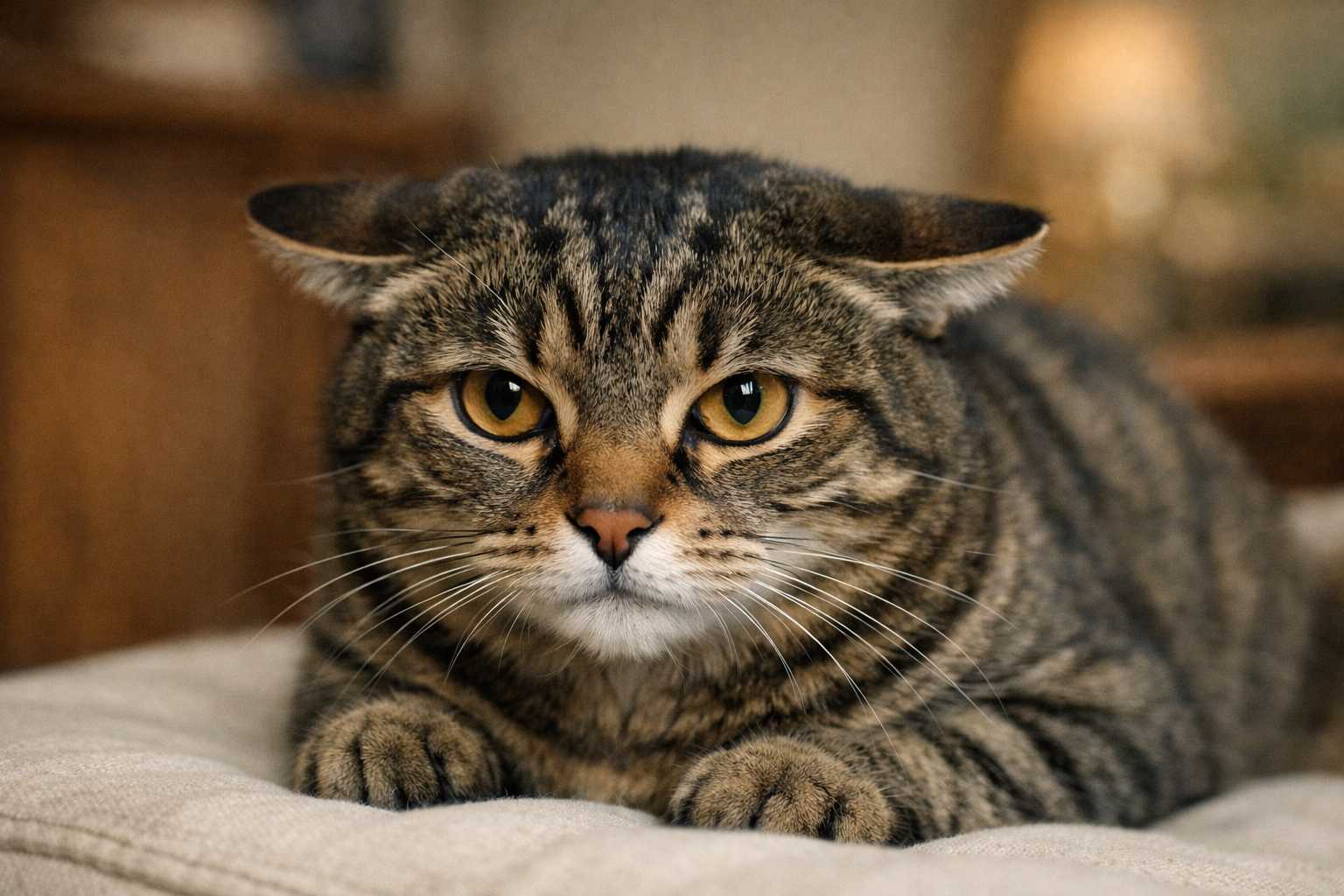
Cat Flattened Ears: What Your Cat Is Trying to Tell You
SEO Slug: cat-flattened-ears-what-your-cat-is-telling-you
Focus Keyphrase: cat flattened ears
Meta Description: Wondering why your cat has flattened ears? Learn what flattened ear positions can mean, from fear and stress to pain or overstimulation, and how to respond in a calm, helpful way.
Have you ever looked at your cat and noticed their ears suddenly flatten against their head?
It can be unsettling, especially if you're not sure what it means.
The good news is that flattened ears are part of your cat's body language. In other words, your cat is communicating with you. Once you know what to look for, this signal becomes much easier to understand.
In this guide, we'll explain what cat flattened ears usually mean, how to read this sign alongside the rest of your cat's body language, and what you should do if you notice it.
What Does It Mean When a Cat Flattens Its Ears?
Cats use their ears to express emotion and respond to their surroundings. Their ears are highly mobile and can rotate to track sounds and signal mood.
When a cat flattens their ears, people often call it "airplane ears" or "pinned ears."
In most cases, flattened ears mean your cat is experiencing a strong emotion. That could be:
- fear
- stress
- defensiveness
- irritation
- overstimulation
- pain
- intense focus during play
The important thing to remember is this: ear position should never be interpreted on its own. To understand what your cat is feeling, you need to consider the whole body.
Different Types of Flattened Ears
Not all flattened ears look exactly the same, and the meaning can vary depending on the situation.
1. Ears Flattened Sideways
This is the classic airplane ear position, where the ears angle outward to the sides.
This often suggests that a cat is:
- uneasy
- anxious
- overstimulated
- unsure about a situation
You may see this when your cat encounters a stranger, hears a loud noise, or visits the vet. It's often your cat's way of saying, "I don't feel fully comfortable right now."
2. Ears Pinned Back Tightly Against the Head
When the ears are pulled flat and tightly backward, the signal is more intense.
This can mean your cat is:
- frightened
- defensive
- highly stressed
- ready to protect themselves
If you see this along with hissing, growling, a stiff body, or swatting, treat it as a warning. Your cat is telling you they need space.
3. Slightly Flattened Ears During Play
Sometimes a cat's ears shift back a little during play, stalking, or pouncing.
This is not always a bad sign. In some cases, it simply means your cat is excited, focused, and fully engaged.
If the rest of the body looks loose and playful, the movement is usually normal. The context matters.
Common Reasons for Cat Flattened Ears
Fear and Anxiety
Fear is one of the most common reasons a cat flattens their ears.
Cats are sensitive animals, and they can react quickly to things like:
- loud sounds
- unfamiliar people
- sudden movements
- new environments
- other animals
A fearful cat may also show:
- wide pupils
- crouching
- a tucked tail
- trembling
- hiding
If your cat seems fearful, the best response is to give them a quiet, safe place where they can settle down.
Aggression or Defensiveness
Flattened ears can also appear when a cat feels threatened and is preparing to defend themselves.
This may happen if:
- another cat is too close
- your cat feels cornered
- someone ignores their warning signs
- there is competition over space, food, or territory
If flattened ears are paired with hissing, growling, swatting, or a tense body, do not try to pet or pick up your cat. Back away and give them room.
Pain or Physical Discomfort
This is an important possibility that many people overlook.
Some cats flatten their ears when they are in pain or feeling physically unwell. If your cat keeps pinning their ears back and there is no obvious emotional trigger, discomfort could be the reason.
Other signs of pain may include:
- hiding more than usual
- reduced appetite
- less grooming or overgrooming
- irritability
- reluctance to be touched
- changes in movement or posture
If this behavior is new, frequent, or unusual for your cat, contact your veterinarian.
Overstimulation
Many cats enjoy affection, but not all cats tolerate long petting sessions well.
A cat who becomes overstimulated may start by flicking their tail, twitching their skin, or flattening their ears before they swat or bite.
This is your cat's way of saying, "I've had enough."
If you notice these early signs, stop petting and give your cat a break. Learning your cat's limits can help prevent scratches and build trust.
Intense Focus During Play
During active play, some cats pull their ears back slightly while stalking a toy or preparing to pounce.
If your cat seems energetic, playful, and relaxed overall, this usually isn't a problem. It simply shows concentration and excitement.
Again, context is everything.
How to Read Your Cat's Full Body Language
Your cat's ears are only one part of the message. To understand how your cat is feeling, look at the whole body.
| Body Part | Relaxed Signal | Stressed or Defensive Signal | |---|---|---| | Ears | Upright, neutral, or gently forward | Flattened, sideways, or pinned back | | Eyes | Soft, slow blinking, normal pupils | Wide eyes, dilated pupils, hard stare | | Tail | Upright or resting calmly | Puffed, lashing, or tucked | | Body | Loose and comfortable | Stiff, crouched, or leaning away | | Fur | Lying flat | Puffing up, especially along the back or tail |
The more signs you read together, the more accurate your understanding will be.
What Should You Do When Your Cat Flattens Their Ears?
Stay Calm
Cats are very sensitive to tone, movement, and energy. If you react suddenly, your cat may become even more stressed.
Move slowly and stay calm.
Give Your Cat Space
If your cat's ears are pinned back, avoid forcing interaction.
Do not reach in, pick them up, or continue petting them. Give your cat the chance to move away and settle down on their own terms.
Look for the Trigger
Ask yourself what changed in the environment.
For example:
- Is there a loud sound nearby?
- Has a new person entered the room?
- Is another pet too close?
- Have you been petting your cat for a while?
- Does your cat seem uncomfortable when touched?
If you can identify the cause, you can often reduce your cat's stress more quickly.
Offer a Safe Place
Every cat should have a place where they feel secure.
This could be:
- a quiet room
- a covered cat bed
- a perch up high
- a favorite hiding spot
- even a simple cardboard box
A safe retreat can make a big difference when your cat feels overwhelmed.
Contact a Vet if It Keeps Happening
If your cat frequently has flattened ears and you can't figure out why, or if the behavior is accompanied by other changes, schedule a veterinary visit.
Persistent changes in body language can sometimes point to pain, illness, or chronic stress.
How Is This Different From Normal Ear Movement?
Cats move their ears constantly, and most ear movements are completely normal.
Here are a few common ear positions:
- Ears forward and upright — alert, interested, and engaged
- Ears in a neutral position — calm and relaxed
- Ears slightly turned back — mildly uncertain, listening behind them, or becoming irritated
- One ear turned, one ear forward — monitoring multiple things at once
- Swiveling ears — tracking sounds in the environment
Flattened ears are different because they usually signal a stronger emotional or physical response than ordinary ear rotation.
Why Are Cat Ears So Expressive?
Cats have an impressive number of muscles controlling their ears, which is why they can move them with such precision.
This helps them:
- locate sounds
- communicate mood
- stay alert to changes around them
- hunt and respond quickly
So when your cat's ears seem to move like little radar dishes, they're doing exactly what nature designed them to do.
Building a Better Bond With Your Cat
Learning to read your cat's ears isn't just interesting. It can genuinely improve your relationship.
When you notice your cat's signals and respond respectfully, your cat learns that you are safe and predictable. That trust matters.
A cat who feels understood is usually more confident, more relaxed, and more comfortable around you.
Final Thoughts on Cat Flattened Ears
Cat flattened ears can mean several different things, including:
- fear or anxiety
- defensiveness or aggression
- overstimulation
- pain or discomfort
- intense focus during play
The key is to look at the full picture rather than the ears alone.
Pay attention to your cat's eyes, tail, posture, and the situation around them. If your cat seems stressed, back off and give them space. If the behavior is frequent or unusual, talk to your veterinarian.
Your cat is always communicating. The more you learn their body language, the easier it becomes to understand what they need.
Did this article help you understand your cat better? Share it with another cat lover who might find it useful.