Reading Cat Facial Expressions: A Complete Guide to Feline Emotions
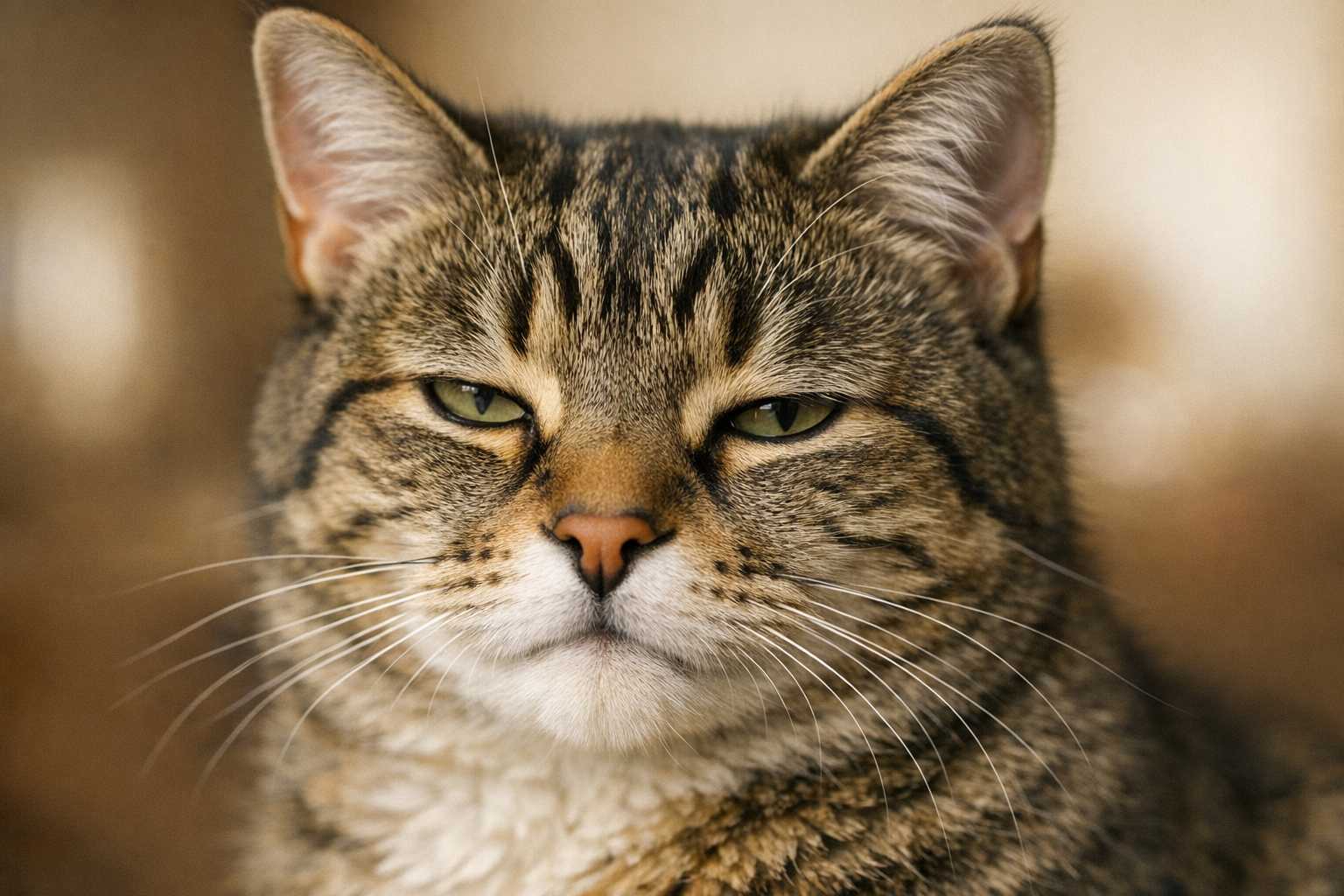
Reading Cat Facial Expressions: A Complete Guide to Understanding Feline Emotions
SEO Slug: reading-cat-facial-expressions-guide-feline-emotions
Focus Keyphrase: cat facial expressions
Meta Description: Learn how to read cat facial expressions and better understand your cat’s emotions. Discover what your cat’s eyes, ears, whiskers, and mouth may be telling you.
Cats can seem mysterious. One moment they are curled up beside you and purring, and the next they are watching you with an intense, unreadable stare.
If that sounds familiar, you are not alone.
The good news is that cats are communicating all the time. Their signals are often subtle, but they are there. Once you learn how to read cat facial expressions, it becomes much easier to understand how your cat is feeling and respond in a way that helps them feel safe, comfortable, and understood.
Let’s take a closer look.
Why Cat Facial Expressions Matter
Cats do not communicate the way humans do, and even compared with dogs, their body language is often more restrained. That is why small facial changes can carry a lot of meaning.
Learning to notice these expressions can help you:
- Strengthen your bond with your cat
- Recognize fear, stress, or pain sooner
- Respond more appropriately to your cat’s needs
- Avoid unwanted handling when your cat is uncomfortable
It is important to remember that facial expressions should always be read alongside the rest of the body. A cat’s posture, tail, movement, and the surrounding situation all help complete the picture.
The Eyes: One of the Clearest Emotional Signals
A cat’s eyes can reveal a lot. In particular, pay attention to pupil size, eyelid position, and whether the cat is making direct eye contact.
Slow Blinking
A slow blink is widely recognized as a sign that a cat feels relaxed and secure. When your cat slowly closes and opens their eyes while looking at you, it often signals trust.
Many cats will respond if you slow blink back. It can be a gentle, non-threatening way to communicate.
Wide Eyes with Large Pupils
Dilated pupils can mean several different things. A cat may be:
- excited
- playful
- startled
- fearful
- highly aroused during hunting or play
This is why context matters. Large pupils during play look very different from large pupils in a frightened cat hiding under the couch.
Soft, Half-Closed Eyes
Partially closed or relaxed eyes usually suggest comfort and calm. Cats often look this way when they are resting, content, or feeling especially safe.
Fixed Stare with Narrow Pupils
A hard, unblinking stare paired with constricted pupils can be a warning sign. In some situations, it may indicate tension, defensiveness, or aggression.
If you notice this expression, it is usually best to give the cat space rather than force interaction.
The Ears: Small Movements, Big Meaning
A cat’s ears are extremely expressive. Even slight changes in ear position can tell you a great deal about their mood.
Ears Facing Forward
When the ears are upright and facing forward, your cat is usually alert, interested, and engaged with what is happening around them.
This often appears during play, exploration, or quiet curiosity.
Ears in a Neutral, Relaxed Position
When the ears are upright but slightly to the side, the cat is typically calm and comfortable. This is a normal resting position for many cats.
Ears Flattened or Turned Back
Ears pinned back or flattened against the head are an important warning sign. This usually indicates fear, overstimulation, or defensive aggression.
If you see this, stop what you are doing and give your cat room to settle.
Ears Rotating Like Radar
Cats often rotate their ears independently to track sound. This does not always reflect a strong emotion. Sometimes it simply means your cat is paying close attention to something in the environment.
The Whiskers: Easy to Miss, but Very Informative
Whiskers are not just decorative. They are highly sensitive sensory tools, and their position can also reflect emotional state.
Whiskers Forward
Whiskers pushed forward often signal curiosity, interest, or excitement. You may notice this when your cat is investigating a new object, watching prey, or getting ready to play.
Whiskers Relaxed to the Side
When whiskers are in a natural, loose position, your cat is generally relaxed.
Whiskers Pulled Back
Whiskers pulled back against the cheeks may indicate fear, stress, or defensiveness. Combined with flattened ears and a tense body, this usually means the cat is very uncomfortable.
The Mouth and Muzzle: Subtle but Meaningful
The mouth is usually less expressive in cats than in some other animals, but it still provides useful clues.
Relaxed, Closed or Slightly Open Mouth
A relaxed cat may have a soft muzzle and a gently closed mouth. Occasionally, a deeply relaxed cat may let the mouth hang open slightly, especially while resting.
Teeth Chattering
Many cats chatter when watching birds or other prey through a window. This behavior is commonly linked to excitement, frustration, or predatory arousal.
Hissing, Growling, or Showing Teeth
These are clear warning signals. The cat feels threatened, frightened, or defensive and is asking for distance.
Do not try to pet, hold, or comfort a cat that is hissing unless you are sure you can do so safely.
The Flehmen Response
Sometimes a cat will sniff something, then hold their mouth slightly open with a strange, almost puzzled expression. This is called the flehmen response.
It helps the cat analyze scent more deeply using the vomeronasal organ, also known as Jacobson’s organ. It may look odd, but it is normal behavior.
Reading the Whole Face, Not Just One Feature
The most accurate way to interpret cat facial expressions is to look at the entire face together, along with body language and the situation.
Here are a few common combinations.
The Relaxed, Content Face
- soft or half-closed eyes
- ears in a neutral or slightly forward position
- whiskers relaxed
- loose facial muscles
This usually means your cat feels safe and comfortable.
The Curious, Interested Face
- eyes open and attentive
- ears forward
- whiskers angled forward
- focused but relaxed mouth
Your cat is alert and engaged, often ready to investigate or play.
The Fearful or Anxious Face
- dilated pupils
- ears flattened or turned sideways
- whiskers pulled back
- tense muzzle, possibly open mouth
This expression suggests your cat is stressed or frightened. If possible, reduce whatever is causing the distress and allow the cat to retreat.
The Defensive or Aggressive Face
- hard stare
- narrowed or intense eyes
- ears pinned back
- whiskers tight against the face
- tense muzzle, possibly with teeth visible
This cat is not comfortable. Back away and avoid physical contact.
A Special Note About Pain: The Feline Grimace Scale
One of the most important reasons to learn cat facial expressions is that they can help you notice pain earlier.
Cats are very good at hiding discomfort. In fact, researchers developed the Feline Grimace Scale to help identify signs of pain based on facial appearance. Common features include:
- squinting eyes
- ears rotated outward or flattened
- tension around the muzzle
- whiskers held stiffly or differently than usual
- lowered head position
While this tool is used primarily by veterinary professionals and trained caregivers, it can still help owners recognize when something may be wrong.
If your cat’s face suddenly looks tense, withdrawn, or unusual for no clear reason, especially along with reduced appetite, hiding, or changes in activity, contact your veterinarian.
How to Get Better at Reading Your Cat
Like any skill, this gets easier with practice.
You can improve by:
- Observing your cat quietly each day
- Noticing the context around each expression
- Comparing relaxed moments with stressful ones
- Taking photos or videos to spot differences over time
- Learning your cat’s normal baseline expression
The more familiar you become with your individual cat, the more accurate your interpretation will be.
Common Mistakes People Make
Even experienced cat owners sometimes misread feline expressions. Here are a few common mistakes.
Assuming Direct Eye Contact Is Always Friendly
Humans often associate eye contact with affection and attention. Cats do not always see it that way. A prolonged stare can feel intimidating or confrontational.
A soft gaze or slow blink is usually a friendlier approach.
Missing Early Signs of Stress
Cats often show discomfort in subtle ways before they hiss, swat, or run away. Slight ear changes, whiskers pulling back, or tension around the eyes can be early clues.
Interpreting Cats Through a Human Lens
Cats do not “smile” or “frown” in the same way people do. It is more helpful to focus on feline body language rather than assigning human emotions too literally.
Every Cat Is an Individual
This is perhaps the most important point of all: every cat is different.
Some cats naturally have wider eyes. Some are more expressive with their whiskers. Others may appear serious even when they are perfectly calm. Breed, face shape, age, and personality can all influence how a cat’s expressions look.
That is why understanding your own cat’s normal behavior matters so much. Over time, you will start to recognize their personal signals, from their relaxed slow blink to the look they give when they want dinner.
That kind of understanding builds trust, and it deepens your relationship in a very real way.
Final Thoughts
Learning to read cat facial expressions is one of the best ways to better understand your cat’s emotional world.
It helps you notice comfort, curiosity, stress, fear, and even pain more clearly. Most importantly, it allows you to respond with more empathy and confidence.
The more you observe your cat, the more natural it becomes. And once you start noticing these small expressions, you may be surprised by just how much your cat has been telling you all along.
If you found this guide helpful, consider sharing it with another cat lover who wants to understand their feline companion a little better.