What Does It Mean When Cats Twitch Their Tails? Complete Mood Guide
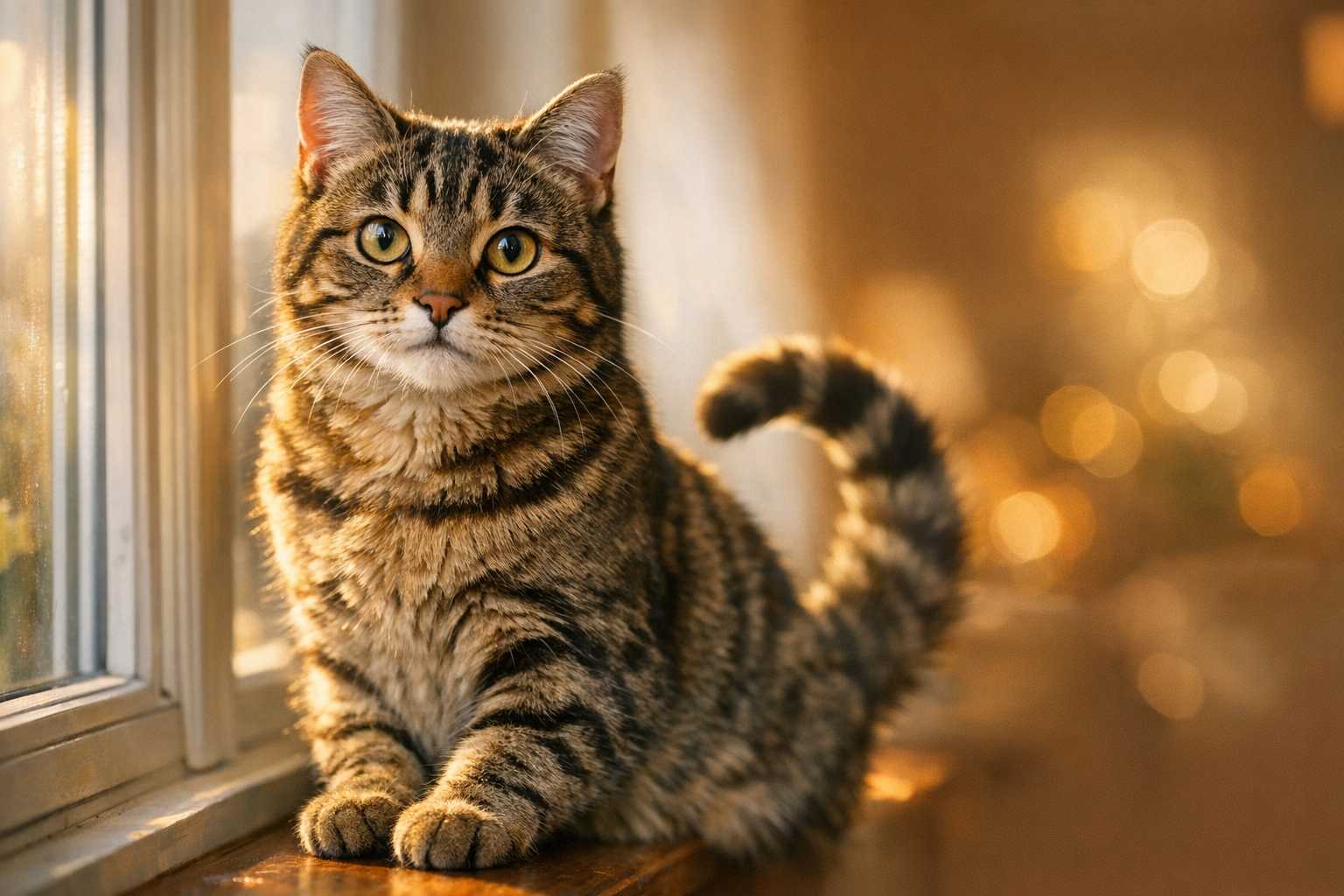
What Does It Mean When Cats Twitch Their Tails? A Complete Guide to Feline Mood Signals
SEO Slug: what-does-it-mean-when-cats-twitch-their-tails
Focus Keyphrase: cats twitch their tails
Meta Description: Wondering why cats twitch their tails? Learn what different tail movements mean, from curiosity and playfulness to irritation, fear, and affection.
If you live with a cat, you already know they can be wonderfully hard to read. One moment they are curled up beside you, and the next they seem completely uninterested.
The truth is, cats are communicating with us all the time. They simply do it through body language rather than words.
And one of their most expressive tools is the tail.
A cat’s tail can reveal whether they feel relaxed, curious, overstimulated, playful, frightened, or defensive. Once you learn to recognize these signals, it becomes much easier to understand what your cat is trying to tell you.
Let’s take a closer look at what different tail movements really mean.
Why Do Cats Move Their Tails?
Cats use their tails for both balance and communication. While movement can help with coordination, tail position and motion also reflect emotional state and level of arousal.
A tail can signal many different feelings, including:
- contentment
- curiosity
- excitement
- irritation
- fear
- defensiveness
That said, tail language should never be interpreted in isolation. The most accurate way to read a cat’s mood is to look at the whole body, including the ears, eyes, posture, fur, and vocalizations.
Still, the tail is often one of the clearest clues.
The Slow Tail Twitch: Focus and Concentration
If your cat’s tail is moving slowly from side to side, they are often concentrating on something.
You may notice this when they are:
- watching birds through a window
- tracking a toy
- studying a sound or movement in the room
This slow movement usually means your cat is alert, engaged, and mentally focused. It is not typically a sign of distress.
Key takeaway: A slow tail twitch usually means your cat is attentive and focused.
The Fast Tail Flick: Irritation or Overstimulation
A fast, sharp tail flick is often a warning sign.
This movement commonly means your cat is becoming irritated, overstimulated, or frustrated. For example, it may happen when:
- petting has gone on too long
- they want to be left alone
- there is too much activity or noise around them
- another animal is nearby and causing tension
If you see rapid tail flicking during interaction, it is wise to pause and give your cat space. Many cats show this kind of body language before hissing, swatting, scratching, or biting.
Key takeaway: Fast tail flicking usually means irritation or overstimulation. It is best to back off.
The Tail Tip Twitch: Curiosity or Mild Interest
Sometimes only the very end of the tail moves.
A gentle twitch at the tip often suggests curiosity or mild engagement. Your cat has noticed something and is paying attention, but they are not highly agitated.
You might see this when your cat:
- hears an unfamiliar noise
- notices a small movement
- watches you from across the room
- is mildly interested in a toy or object
This is usually a calm, low-intensity signal.
Key takeaway: A twitching tail tip often means your cat is curious, observant, and tuned in.
The Puffed-Up Tail: Fear, Alarm, or Defensive Aggression
A puffed-up tail, sometimes called a “bottle-brush tail,” is a classic sign that a cat feels threatened.
When the tail suddenly fluffs out, the cat is trying to appear larger. This is an instinctive defensive response and often happens when a cat is startled, frightened, or preparing to defend itself.
Common triggers include:
- encountering an unfamiliar animal
- hearing a sudden loud noise
- being surprised or cornered
- feeling threatened in their space
If your cat’s tail is puffed up, avoid trying to handle them. Give them time and room to calm down.
Key takeaway: A puffed-up tail usually signals fear or defensiveness. Give your cat space.
The Tail Wrapped Around You: Affection and Trust
When a cat wraps their tail around your leg, arm, or even another cat, it is generally a sign of affection and social comfort.
This behavior is often compared to a hug. It suggests your cat feels safe with you and wants friendly contact.
Not every cat shows affection this way, but when they do, it is a lovely sign of trust.
Key takeaway: A tail wrapped around you usually means affection, comfort, and trust.
The High, Upright Tail: Confidence and Friendly Intent
A tail held high is one of the most positive signs in feline body language.
When a cat walks toward you with their tail upright, they are usually feeling confident, secure, and comfortable. If the tip is slightly curved, it often adds a friendly, approachable tone.
You may see this when your cat:
- greets you at the door
- enters a familiar room
- approaches you for food, play, or attention
- explores an environment where they feel safe
This upright tail posture is especially common during friendly greetings.
Key takeaway: A high, upright tail usually signals confidence, comfort, and a positive mood.
The Low or Tucked Tail: Anxiety, Fear, or Discomfort
A tail carried low, or tucked close to the body, can be a sign that something is wrong.
This posture may indicate:
- nervousness
- fear
- stress
- physical discomfort or pain
Context matters here. A cat may hold their tail low during a stressful event, such as a vet visit or introduction to a new pet. However, if the posture appears often or is accompanied by hiding, reduced appetite, or other behavior changes, it is worth paying closer attention.
If you suspect illness or pain, contact your veterinarian.
Key takeaway: A low or tucked tail can signal fear, stress, or discomfort, especially if it happens repeatedly.
Tail Twitching During Sleep: Usually Normal
It is common for a sleeping cat’s tail to twitch occasionally.
Like many animals, cats show small movements during sleep, especially during more active sleep stages. Tail twitching, paw movements, whisker flicks, and ear twitches are usually harmless and may simply reflect dreaming or normal sleep activity.
In most cases, there is no reason for concern unless the movements seem unusually intense or are accompanied by other abnormal symptoms.
Key takeaway: Tail twitching during sleep is usually normal and often linked to dreaming or active sleep.
The Question-Mark Tail: Playful and Social
When a cat approaches with their tail upright and the tip curved forward like a question mark, they are often feeling playful and sociable.
This posture suggests your cat is in a good mood and open to interaction. It can be a great time to:
- offer a toy
- start a short play session
- give them attention if they seem receptive
It is one of the friendliest tail positions you will see.
Key takeaway: A question-mark tail usually means your cat feels playful, relaxed, and friendly.
How to Read Tail Signals More Accurately
Although tail movement is helpful, it should always be read alongside the rest of your cat’s body language.
For example:
- Tail flicking + flattened ears + tense body often means agitation
- High tail + relaxed body + slow blinking usually means comfort and friendliness
- Puffed tail + arched back + staring can signal fear or defensive aggression
- Low tail + crouched posture + hiding may suggest anxiety or illness
The more signs you observe together, the more accurate your interpretation will be.
When Tail Movements Might Signal a Health Problem
Most tail movements are normal forms of communication, but there are times when they may point to a medical issue rather than emotion.
You should speak with a veterinarian if your cat shows:
- sudden tail limpness
- pain when the tail is touched
- persistent twitching that seems abnormal
- dragging the tail
- swelling, wounds, or obvious injury
- repeated low-tail posture along with other signs of illness
Tail injuries, nerve damage, pain, skin irritation, and other health issues can affect how a cat carries or moves their tail.
Final Thoughts
Cats may seem mysterious, but they are constantly giving us information through their body language.
Their tails are one of the clearest places to start.
A slow twitch can mean focus. A sharp flick may signal annoyance. A puffed tail points to fear. A tail wrapped around you often shows affection. And a high, relaxed tail usually means your cat feels safe and content.
The more you observe your cat’s tail in context, the easier it becomes to understand their mood, respect their boundaries, and strengthen your bond.
So the next time your cat twitches their tail, you will have a better idea of what they are trying to say.
Did this guide help you understand your cat better? Share it with another cat lover who wants to get better at reading feline body language.