Why Does My Cat Stare at Me? Understanding Intense Feline Eye Contact
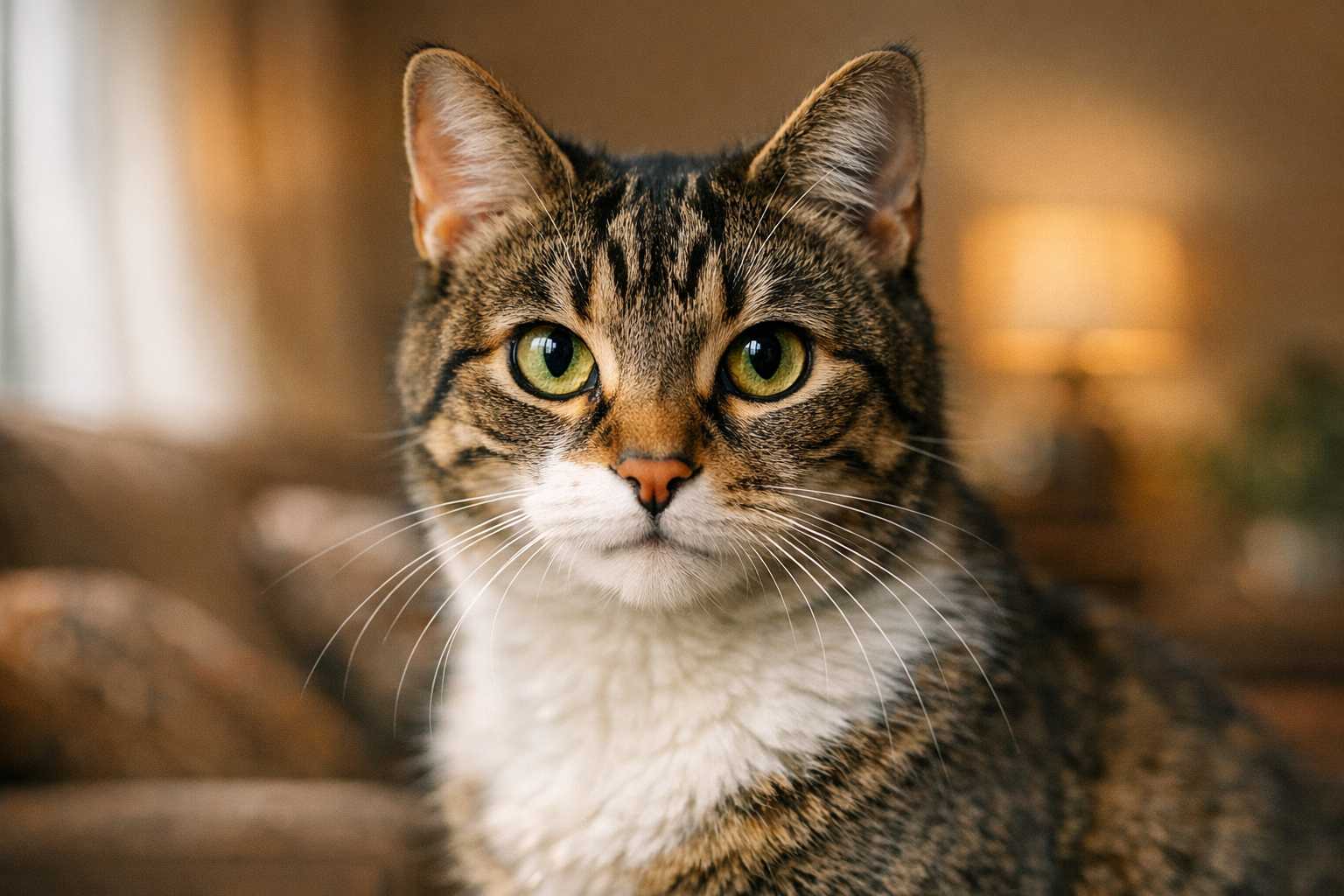
Why Does My Cat Stare at Me? What Intense Feline Eye Contact Really Means
SEO Slug: why-does-my-cat-stare-at-me
Focus Keyphrase: why does my cat stare at me
Meta Description: Wondering why your cat stares at you? Learn the most common reasons behind intense feline eye contact, from affection and trust to hunger, curiosity, and stress.
We’ve all experienced it.
You’re watching TV, eating dinner, or just relaxing for a moment when you suddenly feel it: a steady, intense gaze.
You look up, and there’s your cat, staring right at you.
So, what does it mean? Are they showing affection, asking for food, or silently judging your life choices?
In most cases, a cat staring at you is completely normal. Cats are observant, expressive animals, and eye contact can mean several different things depending on the situation. The key is to look at the context and your cat’s body language.
Let’s take a closer look at the most common reasons cats stare at their humans.
1. Your Cat Is Simply Paying Attention to You
Cats are naturally alert and curious. They spend a lot of time watching the world around them, and since you’re a central part of their daily life, it makes sense that they watch you closely.
Often, staring is just your cat’s way of keeping track of what you’re doing. They may be waiting to see whether you’re heading to the kitchen, sitting down for cuddles, or getting ready to play.
In other words, your cat may simply be focused on the person who matters most to them.
2. They’re Trying to Communicate
Cats may not use words, but they do communicate very clearly through body language, vocalizations, and eye contact.
A calm, relaxed stare can be a subtle way of getting your attention or expressing comfort in your presence. If your cat is looking at you with soft eyes, a relaxed face, and loose body posture, that usually suggests they feel safe and content.
To understand what your cat is trying to say, always look at the full picture, not just the eyes.
3. A Slow Blink Often Means Trust and Affection
One of the clearest signs of feline trust is the slow blink.
If your cat looks at you and slowly closes and opens their eyes, that’s widely understood as a sign that they feel safe with you. Many cat owners think of it as a kind of feline “I love you.”
Research and animal behavior experts support the idea that slow blinking is associated with positive emotional states in cats. It’s a gentle, non-threatening form of communication.
You can try returning the gesture yourself: make soft eye contact, then slowly blink. Many cats respond in kind.
4. They’re Hungry
Sometimes, the explanation is very simple: your cat wants food.
If your cat tends to stare at you around mealtime, there’s a good chance they’ve learned that eye contact gets results. Cats are excellent at noticing patterns, and if staring at you has led to dinner in the past, they may repeat the behavior.
Other signs that hunger is the reason include:
- meowing
- pacing
- leading you toward the kitchen
- sitting near the food bowl
In this case, the stare is less mysterious and more practical.
5. They Want Attention
Despite their independent reputation, many cats enjoy social interaction and can become quite intentional about asking for it.
A stare may be your cat’s way of saying, “Notice me.”
They may want:
- playtime
- affection
- company
- help reaching something
- access to a closed door or favorite spot
If your cat stares at you and then walks away, they may even be inviting you to follow them.
6. They’re Curious About What You’re Doing
Cats are deeply curious animals. If you’re doing something unusual, your cat may stare simply because they’re trying to figure it out.
This is especially common if you’re:
- opening a bag
- cooking
- moving furniture
- talking loudly
- using a new object or appliance
To your cat, you may be the most interesting thing in the room.
7. They Feel Anxious or Unsettled
Not all staring comes from a relaxed or affectionate place.
Sometimes cats stare because they’re uncertain, stressed, or trying to assess a situation. Changes in the home, unfamiliar visitors, loud noises, a new pet, or disruptions in routine can all make a cat feel uneasy.
Signs that the stare may be linked to stress include:
- wide eyes
- dilated pupils
- flattened ears
- crouched posture
- tail flicking
- a tense or rigid body
If you notice these signals, give your cat space and check whether something in their environment may be bothering them.
8. They’re Monitoring Their Surroundings
Cats are both predators and prey animals, which means they’re biologically wired to stay alert.
Even in a safe home, they continue to scan for movement, sounds, and anything unusual. Sometimes it may seem like your cat is staring at you when they’re actually focused on something near you, such as a noise, a reflection, or an insect you haven’t noticed.
This kind of watchfulness is normal and deeply instinctive.
9. They’re Bonded to You
A cat who makes relaxed eye contact with you is often showing that they trust you.
In the animal world, direct staring can sometimes be threatening, which is one reason unfamiliar or fearful cats may avoid eye contact. When your own cat looks at you calmly and comfortably, it can reflect a strong sense of safety and attachment.
While it’s not true that cats only stare at people they’re bonded to, a soft, relaxed gaze is often a positive sign that your cat feels secure with you.
That trust is meaningful, especially because cats tend to be selective about the people they fully relax around.
Should You Stare Back at Your Cat?
Yes, but gently.
Soft eye contact is usually fine, especially with a cat who knows and trusts you. A relaxed expression and slow blinking can help reinforce feelings of safety and affection.
However, a hard, fixed stare without blinking may feel intimidating or confrontational to some cats. It’s better to think in terms of calm, friendly eye contact rather than a staring contest.
When Staring Could Be a Medical Concern
Most of the time, staring is normal feline behavior. However, unusual or frequent staring can occasionally point to a health issue.
You may want to talk to your veterinarian if your cat:
- seems confused or disoriented
- stares at walls or empty spaces for long periods
- appears less responsive than usual
- has changes in vision
- shows other unusual behaviors, especially if they’re older
Potential causes can include vision problems, high blood pressure, neurological issues, pain, or age-related cognitive decline.
If the behavior is new, persistent, or accompanied by other symptoms, it’s worth getting checked.
How to Respond When Your Cat Stares at You
If your cat is staring at you, here are a few simple ways to respond:
- Slow blink back to signal trust
- Speak softly to reassure them
- Check basic needs like food, water, and litter
- Offer play or interaction if they seem bored
- Give affection if they seem receptive
- Observe their body language to understand their mood
The better you get at reading your cat’s signals, the easier it becomes to understand what they need.
Final Thoughts
So, why does your cat stare at you?
There isn’t just one answer. Your cat may be showing affection, asking for food, seeking attention, watching your movements, or reacting to something in the environment.
In many cases, a cat’s stare is a sign that they feel safe enough to focus on you closely. And when that gaze comes with relaxed body language or a slow blink, it’s often a quiet expression of trust.
So the next time your cat fixes their eyes on you from across the room, don’t be too quick to assume they’re plotting anything.
They may just be saying, in their own very feline way, “I see you, and I’m glad you’re here.”
If this article helped you understand your cat better, share it with another cat lover who’s been wondering the same thing.