Cat Dental Care Schedule: Age-Based Maintenance Guide
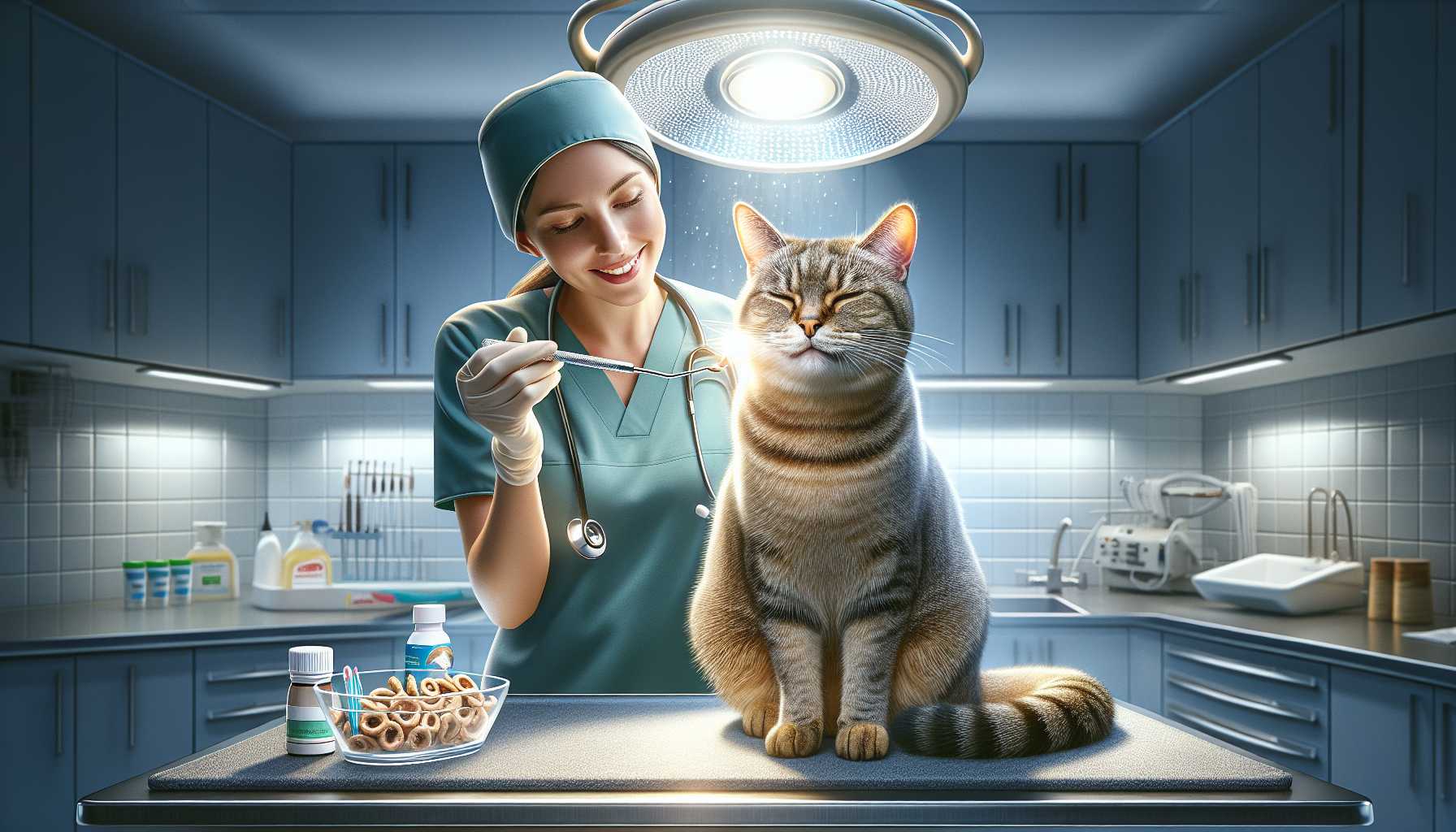
Age-Specific Dental Care Guide for Cats
Ensuring your cat's dental health is vital, though not always the most enticing aspect of pet ownership. Just like us, our cats need regular dental care to stay healthy and comfortable. The encouraging news is that this routine becomes simpler once you know what to do during each phase of your feline friend's life.
Recognizing Your Cat's Dental Care Needs
Cats are experts at hiding dental discomfort. Often, by the time you observe signs of an issue, it's been developing for a while. That's why prevention is more beneficial than intervention.
Dental disease affects over 70% of cats by the age of three - a statistic that may surprise many new cat owners. But following a competent routine and providing dedicated care can help maintain your cat's dental health.
Kitten Phase (0-12 Months): Cultivating Good Practices
What's Happening in Their Mouths
Kittens are born toothless. Their deciduous or 'baby' teeth begin to erupt around two to three weeks old. By 12 weeks, they should have all 26 baby teeth.
Adult teeth start emerging around four to six months, a shift that can be uncomfortable for your young pet.
Dental Care Routine
2-4 months: Start sensitizing them to mouth handling by briefly touching their lips and gums during cuddling sessions. Employ treats and praise to associate the practice with positivity.
4-6 months: Initiate contact with a soft-bristle toothbrush, but refrain from using toothpaste. Instead, allow them to acclimate to the brushing sensation.
6-12 months: Begin actual brushing with cat-friendly toothpaste. Plan for about two to three sessions per week, keeping them short and enjoyable.
Signs to Monitor
Watch for excessive drooling, eating difficulty, or pawing at their face. These signals may indicate discomfort due to teething or other dental dilemmas.
Some kittens won't shed all their baby teeth naturally. If you observe double teeth, consult your vet.
Young Adult Phase (1-6 Years): Standardizing Care
Prime Years for Preventative Care
During this stage, consistent care can deliver huge rewards. Young adult cats typically boast strong, healthy teeth - your role is to keep them that way.
Most cats in this age bracket won't need professional cleanings, but every cat's needs may vary.
Dental Care Routine
Daily: Ideally, brush your cat's teeth daily. If this isn't feasible, aim to do it at least three times per week.
Weekly: Inspect their mouth for redness, swelling, or malodor during their grooming sessions.
Monthly: Take a closer look for tartar buildup or changes in their eating patterns.
Annually: Schedule a dental check-up with your vet during their routine wellness evaluation.
Tips for Success
Try a finger brush if your cat is averse to standard toothbrushes. Some cats might favor dental wipes or foam cleaners instead.
Begin brushing when your cat is calm and relaxed, such as after meals.
Always use a non-toxic, cat-specific toothpaste.
Mature Adult Stage (7-10 Years): Heightened Awareness
Onset of Changes
Cats typically start developing more dental concerns around the age of seven. Tartar buildup becomes more visible, and gum disease may start to set in.
This does not mean your cat's dental health is in jeopardy. It simply means you need to reinforce your dental care regimen.
Dental Care Routine
Daily: Continue brushing regularly. Consider incorporating dental treats or water enhancers endorsed by your vet.
Bi-weekly: Conduct more comprehensive mouth examinations. Look for loose teeth, egregious tartar, or reddened gums.
Every 6 months: Schedule professional dental check-ups. Your vet might suggest more frequent check-ups based on your cat's requirements.
As needed: Book professional dental cleanings. Many cats need their inaugural professional cleaning at this stage.
Warning Signs
Foul breath that is getting progressively worse is concerning. Mild odor is normal, but a pungent smell indicates a deeper issue.
Difficulty chewing or spitting out food. Changes in eating habits often suggest dental discomfort.
Yellow or brown teeth discoloration may lead to critical problems if neglected.
Senior Stage (11+ Years): Comfort and Upkeep
Special Conditions for Older Cats
Senior cats present unique dental challenges. Underlying health challenges can complicate treatments, and the risk associated with anesthesia heightens with age.
Still, dental care remains critical. Untreated dental conditions can detrimentally impact their heart, liver, and kidneys.
Dental Care Routine
Daily: Opt for gentle brushing only if your cat can bear it. Some seniors become increasingly sensitive to handling.
Weekly: Monitor conscientiously for changes. Senior cats' conditions can deteriorate quickly.
Every 4-6 months: Book dental evaluations with your vet. More frequent check-ups help detect problems early.
Individualized: Treatment plans based on your cat's overall health. Your vet will prioritize dental needs along with other health issues.
Modifying Your Approach
Arthritis in some seniors can make brushing difficult. Collaborate with your vet to find comfortable alternatives.
Dental treats curated for seniors can be useful when brushing becomes a challenge.
Maintain focus on your cat's comfort and quality of life. In some cases, palliative care may be more suitable than rigorous treatment.
Crucial Tools at Every Stage
Essential Dental Care Items
A soft-bristled cat toothbrush or finger brush. Replace it every three to four months, or after a bout of illness.
Cat-specific toothpaste, available in appealing flavors such as chicken or seafood. These products contain enzymes that combat bacteria.
Dental treats accredited by professional dental organizations. Look for treats bearing the VOHC seal of approval.
Water additives that battle bacteria. Although they supplement, they should never be a substitute for brushing.
Beneficial Additions
Dental toys that promote chewing can be enticing to some cats, while others may turn a deaf ear.
Oral rinses for those cats who are absolutely averse to brushing. Though not as effective as brushing, it's better than nothing.
Facilitating a Pleasant Experience
Making Dental Care Less Daunting
Progress slowly and incrementally. Good dental habits, just as Rome, aren't built overnight.
Offer premium treats as rewards to motivate your cat.
Get started with short sessions. Thirty seconds of successful brushing is more effective than a five-minute tussle.
Remain calm and patient. Cats are sensitive and can easily pick up on your stress.
If Your Cat Declines
Some cats might never accept brushing. As disappointing as this is, it's okay. Collaborate with your vet to discover alternatives.
Emphasize on what is achievable rather than what isn't. Regular vet check-ups become even more critical in such instances.
Refrain from forcing it. A stressed and fearful cat won't benefit from coerced dental care.
Professional Care: When to Seek Expert Help
Indications of Veterinary Intervention
Broken or loose teeth need immediate attention. Don't delay until your next planned vet visit.
Excessive drooling, particularly if it begins suddenly, often signifies discomfort or pain.
Facial or jaw swelling, which might be a sign of an abscess or potentially serious infection.
A total refusal to eat. Severe dental pain can deter cats from eating completely.
Expectations from Professional Guidance
Most professional cleanings necessitate anesthesia, allowing for comprehensive cleaning below the gum line.
Pre-anesthetic blood work assures that your cat can undergo the procedure safely.
Dental X-rays can expose problems that evade detection during routine evaluations.
Your vet will share follow-up care advice. Adhering to these guidelines diligently assures the desired results.
Diet and Oral Health
Beneficial Foods
Dry kibble furnishes some mechanical cleaning action. However, it's insufficient on its own for dental maintenance.
Prescription dental diets are engineered to reduce tartar buildup. Consult your vet for suitable recommendations.
Under careful supervision, raw bones can be beneficial for some cats. Discuss this possibility with your vet first.
Foods to Sidestep
Sticky treats that adhere to the teeth, fostering bacterial growth.
Hard edibles that can crack teeth, like ice cubes and actual bones.
Sweet human foods. Cats don't need additional sugars, which fuel harmful bacteria.
Concluding Your Cat's Dental Voyage
Managing the dental health of your cat throughout its lifespan doesn't have to be daunting. Initiate early, stay resolute, and collaborate with your veterinary team.
It's important to remember that every cat is unique- what works for one might not work for another. The trick is in identifying the right routine that suits you and your cat.
Your diligent efforts will manifest as fresher breath, healthier teeth, and a more content cat. Plus, averting dental disease is often more economical than dealing with advanced problems later.
It's crucial not to feel guilty if you're starting this journey with an older cat or if you've had inconsistencies in the past. Regardless of your cat's age or previous lack of dental care, it's never too late to start proper oral care.
Investing time and effort in your cat's dental health is entirely worth it. After all, a wholesome mouth contributes to a healthy, content cat — and that's the ultimate aim for our treasured feline companions.