Cat Dental Diseases: Prevention and Early Detection Guide 2024
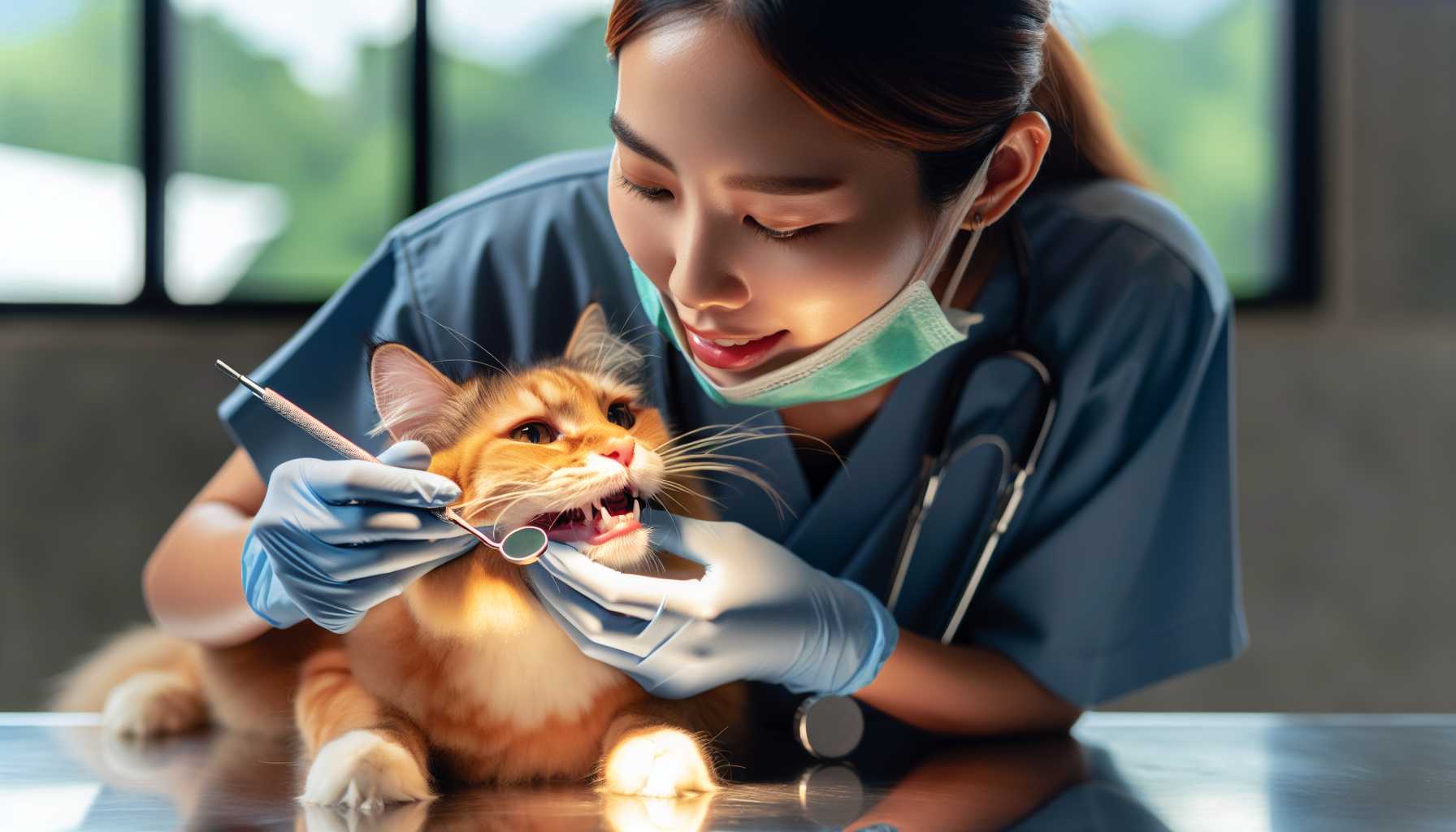
Guide to Preventing and Detecting Early Cat Dental Diseases 2024
Your cat's dental health is a crucial part of their overall well-being, and, just like humans, cats can experience painful dental conditions. Fortunately, many cat dental issues can be avoided with proper care and early detection.
Overview of Typical Cat Dental Diseases
Throughout their lives, cats can encounter several dental health problems such as gingivitis, periodontal disease, and tooth resorption.
Gingivitis, characterized by red, swollen gums that bleed easily, often signals the onset of dental problems and, without intervention, can further develop into periodontal disease.
Periodontal disease, affecting the tissues that support your cat's teeth, might lead to tooth loss and can even cause heart problems if bacteria access the bloodstream.
As for tooth resorption, it's quite common among older cats. With this condition, the tooth structure degrades from the inside out, resulting in considerable discomfort.
Early Indicators to Keep an Eye Out for
Your cat won't express their mouth discomfort verbally; however, their behavior and physical signs might give away the pain.
The most telling symptom is bad breath. Although a cat's breath isn't naturally refreshing, any strong, unpleasant smell should be seen as a warning sign.
Also, be cautious of any changes in your cat's eating patterns. Cats in pain might eat more slowly, drop their food, or even entirely avoid hard kibble.
Evidence of dental pain also includes excessive drooling, particularly tinged with blood, and behavior such as pawing at their mouth or face. Looking for visible signs, like yellow or brown tartar buildup and red, swollen, or bleeding gums, can also help detect dental issues early.
Significance of Regular Dental Checks
Regular check-ups with your vet play a vital role in preserving your cat's dental health. Professional cleanings can eliminate tartar build-up that home care practices might miss.
Typically, cats require professional dental cleanings every 1-3 years. This frequency may vary based on individual needs, as your vet will suggest the most suitable regimen for your cat.
These routine cleanings allow your vet to detect any potential problems early and prevent them from escalating into severe health issues.
It's wise not to put off vet visits until symptoms become manifest, as many dental problems tend to develop slowly, causing discomfort before becoming visually apparent.
Home-Based Prevention Tactics that Work
For cat dental hygiene, daily tooth brushing is recommended. Start gradually by merely touching your cat's mouth and gradually introducing a soft brush.
Ensure to use toothpaste specifically designed for cats as human toothpaste contains ingredients harmful to cats.
In the absence of brushing, cat-friendly dental treats and water additives can serve as alternatives. Aim for products approved by the Veterinary Oral Health Council.
Feeding your cat dry kibble can naturally scrub off plaque from their teeth. However, reliance on this method doesn't replace the need for proper dental hygiene.
Available Professional Treatment Options
When home care efforts don't suffice, professional treatments can help restore your cat's oral health.
Anesthetic dental cleanings facilitate comprehensive cleaning beneath the gum line, removing bacteria that induce severe infections.
In cases of severely compromised teeth, tooth extraction might be necessary. Although this might sound extreme, cats usually adjust very well and often feel much better post-procedure.
For valuable teeth in younger cats, advanced treatments like root canals can be availed. Your vet will guide you through the best options catering to your pet's unique situation.
Tips for Dental Care based on Age
Kitten dental care differs from the care needed for senior cats. As for kittens, their deciduous teeth naturally fall out around six months of age.
Adult cats benefit most from consistent daily care, which can significantly contribute to preventive measures.
Senior cats, on the other hand, call for more frequent monitoring due to age-associated changes that increase their vulnerability to dental diseases.
Your approach should align with your cat's stage of life since what works for a lively kitten might not be suitable for a dignified senior cat.
When Emergency Dental Care is Needed
Some dental issues demand immediate attention from your vet. Serious symptoms that warrant urgency include facial swelling, which often indicates a tooth root abscess, requiring swift antibiotic treatment.
A sudden refusal to eat, especially if coupled with drooling, suggests extreme dental pain, necessitating immediate relief.
Any bleeding from the mouth or broken teeth also call for urgency - reach out to your emergency vet without delay.
Establishing a Consistent Dental Health Routine
Consistency is paramount in preventing cat dental diseases. Start with small, manageable steps and gradually build.
Choose a quiet time when your cat is calm. Rewards and praise can help make dental care a positive experience.
Start with just raising your cat's lips to inspect their teeth, gradually proceeding to touch their teeth and gums gently.
As your cat becomes comfortable with handling, introduce a finger brush or a soft cloth, and eventually a full-fledged cat toothbrush.
The Cost-benefit Analysis of Prevention vs. Treatment
Preventive measures are not only less taxing on your budget but also spare your cat the distress of advanced dental disease. Regular cleanings are more affordable than treating severe periodontal disease.
Typically, professional cleanings range between $300-800, depending on your location, while treating advanced periodontal disease can stretch into thousands.
Home dental care supplies aren't very pricey. A reliable toothbrush, toothpaste, and dental treats should cost less than $50 a year.
However, the most precious outcome is the peace of mind that comes from knowing your cat is comfortable and healthy.
Action Plan for Your Cat's Dental Health
Your cat counts on you for their dental care. Regardless of your cat's age or their initial resistance to handling, it's never too late to begin.
If your cat hasn't had a dental check-up in over a year, make an appointment soon. Prompt intervention can keep serious problems at bay.
Remember, your cat's oral health impacts their overall health status. A healthy mouth can pave the way for a longer, more joyful life.
With time, patience, and perseverance, you can ensure your feline friend's dental health for many years. And your cat will show you their gratitude through purrs and affectionate head bumps for your thoughtful care.