Professional Cat Dental Cleaning: Cost and Procedure Guide
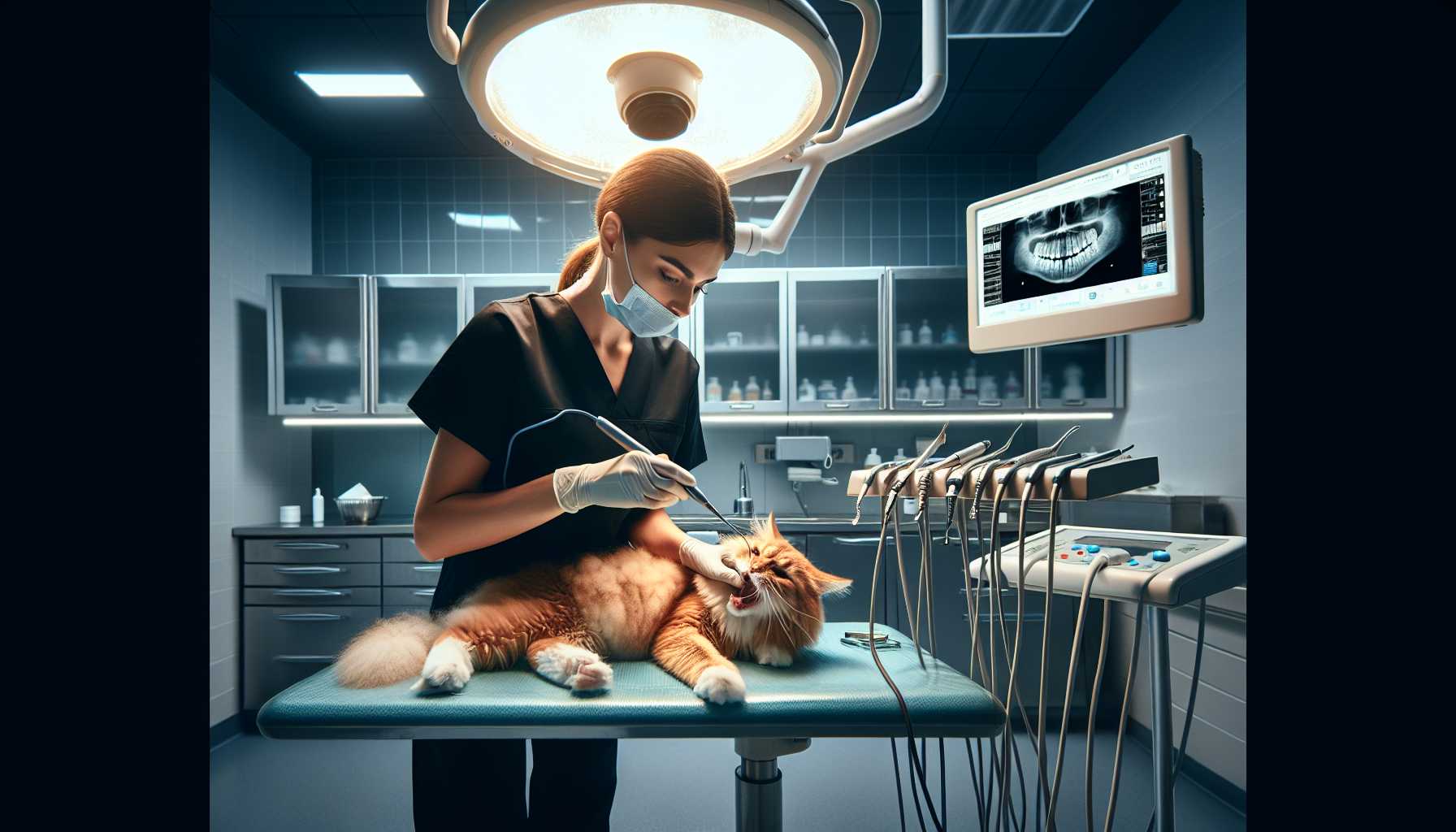
The Importance of Professional Dental Cleaning for Cats: A Guide on Procedures and Costs
Did you know that your cat's dental health plays a significant role in their overall health? Like us humans, cats can experience painful dental issues which can consequently affect their general wellness. Thankfully, professional dental cleanings can mitigate serious problems and ensure your furry friend remains content. This article will be your comprehensive guide to understanding the ins and outs of this crucial veterinary procedure.
The Necessity of Professional Dental Cleaning for Cats
Since cats are quite adept at concealing pain, it may be hard to discern when they are experiencing discomfort in their teeth or gums. The majority of cats begin to show signs of dental disease by the age of three. This is often caused by plaque and tartar accumulation which can result in:
- Agonizing inflammation of the gums.
- Tooth loss.
- Unpleasant breath.
- Trouble eating.
- Bacterial infections which can spread to other organs.
Following a routine of regular professional cleanings can help avert these problems. Veterinarians have the expertise to spot the onset of dental issues at an early stage, halting them from escalating into something grave.
How to Recognize If Your Cat Requires Dental Attention
These are some typical signs that your cat may need dental care:
- Tartar accumulation on teeth, indicated by a yellow or brown color.
- Swelling or redness in the gums.
- Consistent foul breath.
- Difficulty while eating or chewing.
- Pawing at the face.
- An unusual increase in drooling.
- Loose teeth or loss of teeth.
If you observe any of these symptoms, do not delay getting your cat checked. An early intervention will be more cost-effective and can prevent unnecessary suffering for your pet.
Understanding the Cost of Professional Cat Dental Cleaning
The cost of a professional cat dental cleaning typically falls between $300 and $1,500. The exact price is contingent on several factors.
Basic Cleaning Expenses
A routine cleaning without additional procedures usually costs around $300 to $700. This will cover:
- Pre-sedation blood tests.
- Sedatives and monitoring throughout the procedure.
- Scaling and polishing the teeth.
- A rudimentary dental check-up.
Potential Extra Costs
Depending on your cat's dental condition, the final cost may increase due to the need for:
- Tooth extractions: This could add $50 to $200 per tooth.
- Dental X-rays: Generally costs $100 to $300.
- Painkillers: Mostly ranges from $20 to $50.
- Antibiotics: Usually costs $15 to $40.
- Complex dental work: This may add an extra $200 to $1,000 or above.
Cost-Influencing Factors
The final bill can be influenced by:
- Location: Urban veterinary hospitals tend to be more expensive.
- The vet’s experience and qualifications.
- Your cat’s age and overall health.
- The severity of the dental issues.
- The need for additional procedures.
An Overview of the Professional Dental Cleaning Procedure
Knowing the procedure in detail can put both your cat and you at ease.
Pre-procedure Steps
Initially, the vet will visually inspect your cat's mouth while it's awake. This helps identify any evident issues. It's also necessary to do a blood test to confirm whether your cat can handle sedation. Before the procedure, your cat should fast for 8-12 hours.
During the Cleaning
For a dental cleaning, general anesthesia is mandatory. These days, the process is much safer than it has been in the past.
Here is a step-by-step rundown of the process:
- Administering anesthesia: Your cat will be given anesthesia monitored by the vet.
- Monitoring vital signs: The vet monitors heart rate, breathing, and temperature.
- Oral examination: Each tooth and gum area is examined thoroughly.
- Dental X-rays: These help identify problems below the gum line.
- Scaling: Tartar is removed from all parts of the tooth, above and below the gum line.
- Root planing: Any rough spots on the roots are smoothened.
- Polishing: Teeth are polished to decelerate future plaque buildup.
- Fluoride treatment: This is an optional protective layer applied to the teeth.
The Duration of the Procedure
The procedure usually takes between 1 to 3 hours, but more complicated cases requiring extractions may take longer. Your cat is normally able to return home on the same day. However, recovery from the anesthesia may take a few hours.
Ensuring Your Cat is Ready for Dental Cleaning
Proper preparation can make the procedure more comfortable and less stressful for your pet.
Prior to the Appointment
- Follow the vet’s fasting instructions closely.
- Administer any prescribed medications.
- Follow instructions regarding food and water removal.
- Stay calm as cats can sense your nervousness.
Questions to Ask Your Veterinarian
Don’t hesitate to ask anything you're unsure of:
- What type of anesthesia will be used?
- How will pain be managed?
- Are any additional procedures anticipated?
- When can my cat resume eating after the procedure?
- What aftercare is necessary?
Required Care After the Procedure and Recovery
Cats usually have a speedy recovery from dental cleaning. Here’s what you can expect.
Immediate Post-Procedure Care
Your cat may be drowsy for several hours - this is completely normal. Make sure they have a quiet, comfortable space for recovery, away from other pets.
Post-Cleaning Feeding
Once your cat is alert, offer small amounts of water. During the first one or two days, it's recommended to only feed them soft food. If any teeth were extracted, the vet might suggest a specialized diet for a week.
Post-Cleaning Discomfort
Cats may experience mild discomfort after dental procedures. The vet may prescribe:
- Pain relievers.
- Anti-inflammatory medication.
- Antibiotics if there was an infection.
Remember to follow the medication instructions exactly and never give your cat human pain killers.
Symptoms to Be Wary Of
Contact your vet if you notice:
- Excessive bleeding from the mouth.
- Extreme lethargy for more than 24 hours.
- Refusal to eat for more than 2 days.
- Signs of extreme pain.
- Trouble breathing.
How to Prevent Future Dental Issues
While professional cleanings are crucial, home care enhances their effectiveness.
Dental Home Care Tips
Begin gently and be patient:
- Teeth brushing: Use toothpaste and brushes specifically designed for cats.
- Dental treats: Opt for those approved by veterinarians.
- Water additives: Certain products help minimize bacteria.
- Dental diets: Some types of food help scrape the teeth clean.
How Often are Professional Cleanings Needed?
Most cats require a professional cleaning every 1-3 years. The frequency depends on:
- Age (older cats may need more frequent care).
- Breed (certain breeds are more prone to dental issues).
- Diet and home care routine.
- Individual susceptibility to dental diseases.
Your vet can recommend the most suitable schedule for your cat.
Selecting a Suitable Veterinary Clinic
When considering dental procedures, it’s important to choose a veterinary clinic wisely.
What to Look For
Consider clinics that offer:
- Up-to-date anesthetic monitoring equipment.
- Digital dental X-rays.
- Experienced veterinary technicians.
- Clear and transparent cost estimates.
- Good communication throughout the process.
Questions to Ask Potential Veterinarians
Before booking an appointment, ask:
- How many cat dental procedures do you perform each month?
- What safety protocols do you adhere to?
- Can I take a look around your facility?
- What are your emergency procedures?
- Do you provide detailed post-procedure instructions?
Is a Professional Dental Cleaning Justified by the Cost?
Definitely. A professional dental cleaning is one of the most worthwhile investments in your cat's health.
Other options aren't as attractive:
- Neglected dental disease results in continuous pain.
- Advanced dental issues are much more costly to treat.
- Dental bacteria can damage the heart, liver, and kidneys.
- Quality of life is drastically affected.
The cost of preventive measures is always less than the cost of treatments.
Making the Decision
Every cat has a right to enjoy good dental health. Despite appearances, professional cleanings, though seemingly expensive, are essentially preventive care.
Consult with your veterinarian about your cat's unique needs. They can help clarify the potential risks and gains specific to your pet. If cost is a concern, many veterinary clinics offer payment plans or financing options.
Your cat relies on you for their health and well-being. Professional dental cleaning can be seen as a continuous gift - the gift of a painless mouth and better general health.
In short, remember that a healthy mouth contributes to a happier cat. And a happier cat results in a happier owner!