DIY Cat Teeth Cleaning: Safe Home Dental Care Methods
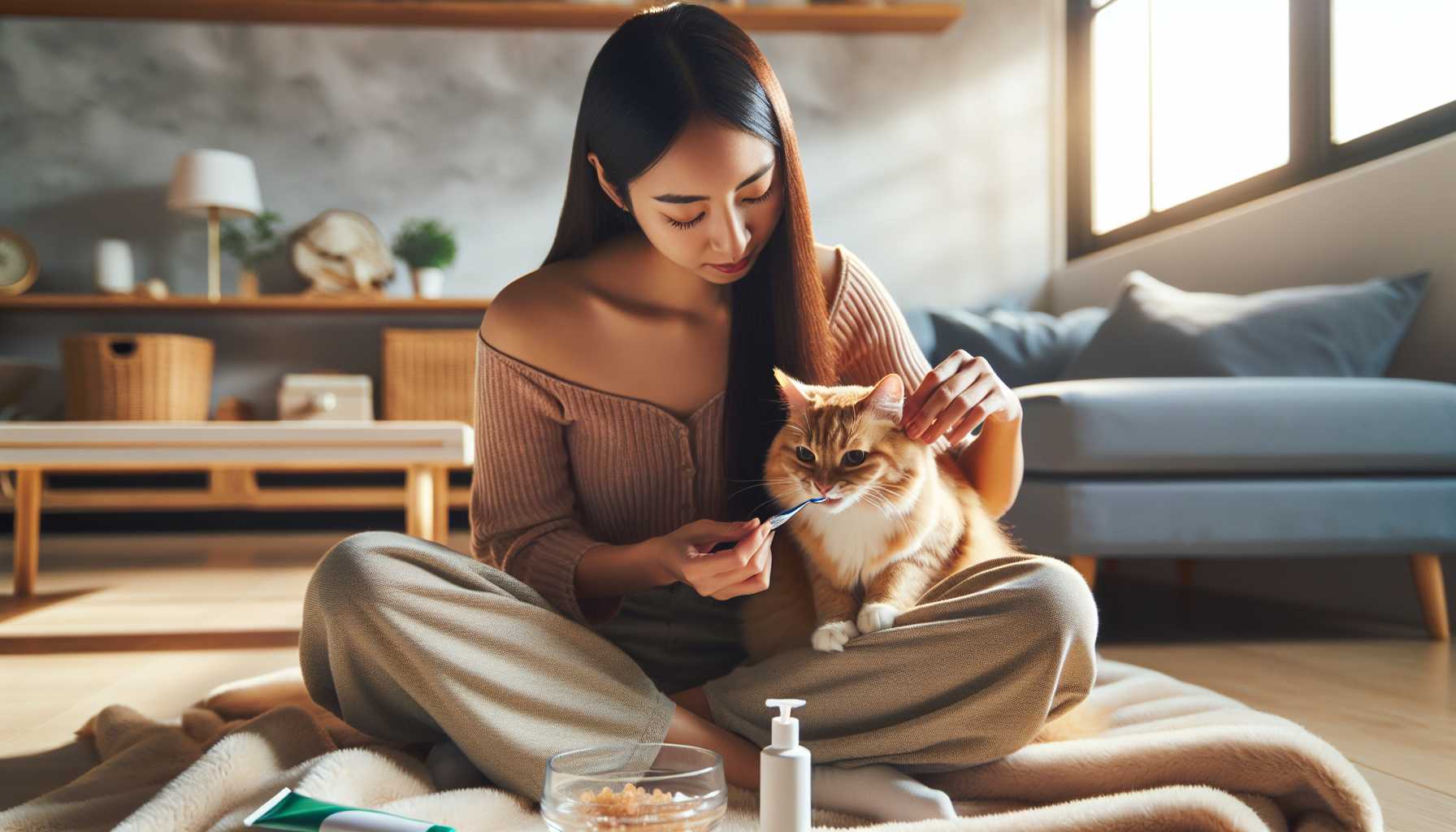
DIY Cat Teeth Cleaning: Safe Home Dental Care Methods
Just like us, our feline friends need regular dental care to stay healthy and happy. Many cat parents worry about their pet's oral health but feel overwhelmed by the thought of cleaning their cat's teeth at home.
Don't worry – you're not alone in this concern. With the right approach and patience, you can safely maintain your cat's dental health between professional cleanings.
Understanding Your Cat's Dental Health Needs
Cats are masters at hiding discomfort. This makes dental problems particularly tricky to spot early.
Poor dental hygiene can lead to serious health issues. Bacteria from dental disease can spread to your cat's heart, liver, and kidneys.
Most cats show signs of dental disease by age three. Regular home care can significantly slow this progression.
Watch for these warning signs: - Bad breath that worsens over time - Yellow or brown tartar buildup - Red, swollen gums - Difficulty eating or chewing - Pawing at the face or mouth
Preparing for Your First Cat Teeth Cleaning Session
Success starts with proper preparation. Your cat needs time to get comfortable with the process.
Begin by getting your cat used to having their mouth touched. Start with brief, gentle sessions during cuddle time.
Let your cat sniff and investigate any dental supplies beforehand. This reduces anxiety and builds trust.
Choose a quiet time when your cat is relaxed. After a meal or play session often works well.
Never force the process. If your cat becomes stressed, take a break and try again later.
Safe DIY Teeth Cleaning Methods
The Finger Brush Technique
Start with a clean finger wrapped in soft gauze. This gentle approach works well for beginners.
Dip your wrapped finger in warm water or pet-safe dental solution. Gently rub along the gum line and teeth surfaces.
Focus on the outer surfaces of the teeth where plaque builds up most. Don't worry about cleaning the inner surfaces initially.
Keep sessions short – just 30 seconds to start. Gradually increase time as your cat becomes more comfortable.
Using a Pet Toothbrush
Once your cat accepts finger cleaning, you can try a pet toothbrush. Choose a soft-bristled brush designed for cats.
Never use human toothpaste – it's toxic to cats. Stick to pet-safe dental products or plain water.
Hold the brush at a 45-degree angle to the gum line. Use gentle, circular motions rather than aggressive scrubbing.
Start with just a few teeth per session. You don't need to clean everything at once.
Dental Wipes for Sensitive Cats
Some cats will never tolerate brushing, and that's okay. Dental wipes offer a gentler alternative.
Choose wipes specifically designed for pet dental care. These contain safe ingredients that help reduce bacteria.
Wrap the wipe around your finger and gently rub the teeth and gums. Focus on areas with visible plaque buildup.
While not as effective as brushing, dental wipes still provide meaningful benefits.
Natural and Alternative Cleaning Solutions
Coconut Oil Treatment
Coconut oil has natural antibacterial properties. Many cats enjoy the taste, making it easier to apply.
Use organic, unrefined coconut oil. Start with tiny amounts to avoid digestive upset.
Let your cat lick a small amount from your finger. The oil will naturally coat their teeth and gums.
You can also add a tiny amount to their food once or twice weekly.
Raw Bones for Natural Cleaning
Raw chicken necks or wings can help scrape away plaque naturally. Always supervise your cat during bone chewing.
Never give cooked bones – they can splinter and cause serious injury. Only offer appropriately sized raw bones.
Remove any bone pieces that become small enough to swallow whole. This prevents choking hazards.
Not all cats will show interest in bones. Don't force this method if your cat isn't interested.
Dental Treats and Chews
Special dental treats can supplement your cleaning routine. Look for products approved by veterinary dental organizations.
These treats work by mechanically scraping plaque as your cat chews. Choose treats appropriate for your cat's size and age.
Remember that treats should never replace actual teeth cleaning. Think of them as helpful additions to your routine.
Creating a Sustainable Dental Care Routine
Starting Small and Building Up
Begin with just one or two teeth per session. This prevents overwhelming your cat and builds positive associations.
Consistency matters more than duration. Daily 30-second sessions beat weekly marathon attempts.
Always end on a positive note. Offer praise, pets, or a small treat after each session.
Track your progress in a simple journal. Note which techniques work best for your cat.
Making It Enjoyable for Your Cat
Associate dental care with positive experiences. Choose times when your cat is naturally affectionate.
Speak in soothing tones throughout the process. Your calm energy helps keep your cat relaxed.
Never rush or force the process. Some days will be better than others, and that's perfectly normal.
Consider playing soft music or using calming pheromone sprays to create a peaceful environment.
Involving Family Members
If multiple people live in your home, involve everyone in the process. This helps your cat accept dental care from different handlers.
Teach children proper techniques under adult supervision. This builds good pet care habits early.
Maintain consistency in your approach across all family members. Mixed messages can confuse your cat.
When to Seek Professional Help
Home care is wonderful, but it can't replace professional veterinary dental cleanings. Schedule regular checkups to monitor your cat's oral health.
Contact your vet immediately if you notice: - Excessive drooling - Refusal to eat - Visible tooth damage or loss - Severe bad breath - Bleeding gums
Some cats with advanced dental disease may need professional treatment before starting home care. Your vet can guide you on the best approach.
Don't feel guilty if your cat needs professional dental work. You're taking great steps by implementing home care.
Common Mistakes to Avoid
Never use human dental products on your cat. Fluoride and xylitol are toxic to felines.
Don't expect perfection immediately. Building tolerance takes time and patience.
Avoid cleaning teeth right after your cat eats. This can cause nausea or discomfort.
Don't ignore signs of stress or fear. Pushing too hard can create negative associations that last.
Never attempt to clean severely diseased teeth at home. This requires professional veterinary care.
Building Long-Term Success
Remember that every small step counts. Even partial cleaning provides benefits over no cleaning at all.
Celebrate small victories with your cat. Each successful session builds toward better oral health.
Stay flexible in your approach. What works today might need adjustment tomorrow.
Connect with other cat parents for support and tips. Online communities can provide valuable encouragement.
Most importantly, remember that you're providing loving care for your feline companion. Your efforts, however small they might seem, make a real difference in your cat's health and quality of life.
With patience, consistency, and the right techniques, you can successfully maintain your cat's dental health at home. Start slowly, stay positive, and don't hesitate to seek professional guidance when needed. Your cat's healthy smile will be worth every gentle, caring effort you make