How to Treat Cat Acne at Home: Safe and Effective Remedies Guide
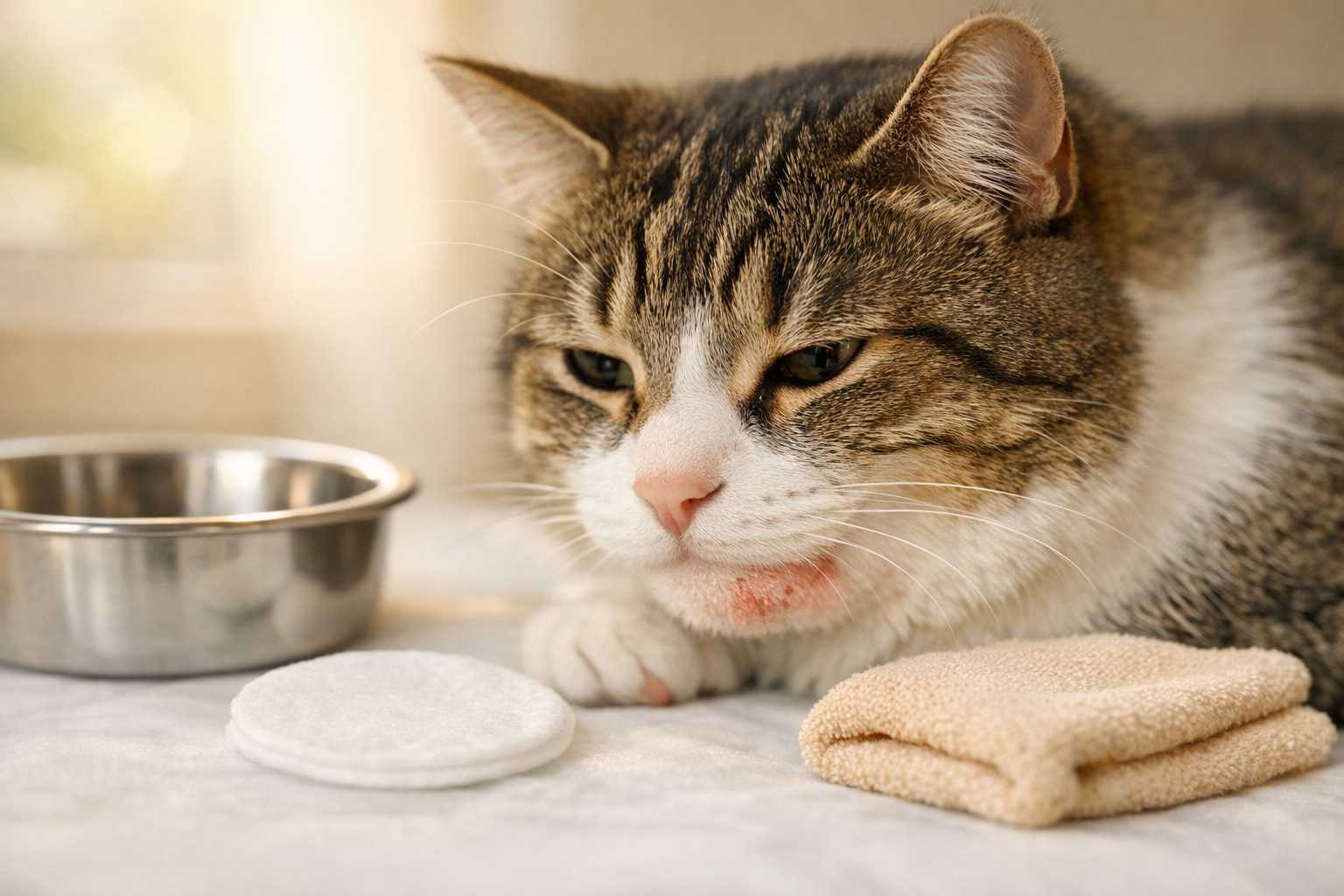
How to Treat Cat Acne at Home: Safe, Gentle Remedies That Really Help
SEO Slug: how-to-treat-cat-acne-at-home
Focus Keyphrase: how to treat cat acne at home
Meta Description: Learn how to treat cat acne at home with safe, vet-friendly care. Discover the causes, signs, home remedies, and when to see a veterinarian.
Cat acne may sound unusual, but it’s actually a fairly common skin issue. In many cases, it’s mild and can be managed at home with gentle care and a few simple changes.
If you’ve noticed black specks, small bumps, or irritation on your cat’s chin, don’t worry. Here’s what cat acne is, what causes it, how to treat it safely at home, and when it’s time to call your veterinarian.
What Is Cat Acne?
Cat acne is a skin condition that usually appears on the chin and sometimes the lower lip. It often looks like tiny black dots, similar to blackheads, or small red, irritated bumps.
Those black dots are called comedones, which are clogged hair follicles. In mild cases, they may not seem to bother your cat much. In more severe cases, the area can become inflamed, swollen, infected, or painful.
Cat acne can affect cats of any age, breed, or sex, including indoor cats that are otherwise very clean and well cared for.
What Does Cat Acne Look Like?
Common signs of cat acne include:
- Black specks or blackheads on the chin that don’t wipe off easily
- Small red bumps
- Pustules or pimples
- Swelling around the chin
- Crusts or scabs
- Hair thinning or hair loss in the area
- Frequent rubbing, scratching, or chin grooming
Mild cat acne may look like a little dirt on the chin. More advanced cases can become red, sore, and infected.
What Causes Cat Acne?
The exact cause of cat acne is not always clear, but several factors are commonly linked to it.
1. Follicle Clogging and Oil Buildup
Cat acne develops when hair follicles become clogged with oil (sebum) and debris. This can lead to blackheads and inflammation.
2. Plastic Food or Water Bowls
Plastic bowls are often blamed because they can trap bacteria and are harder to keep completely clean, especially if scratched. While plastic may not cause acne in every cat, many veterinarians recommend switching to stainless steel or ceramic bowls as a simple first step.
3. Poor Grooming of the Chin
Some cats don’t clean their chin very effectively. Oil, saliva, and food residue can build up over time.
4. Stress
Stress can contribute to skin flare-ups in some cats, including acne.
5. Allergies or Skin Sensitivities
Food sensitivities, environmental allergies, or contact irritation may play a role in some cases.
6. Secondary Infection
Bacteria or yeast can infect irritated follicles, making the acne look worse and feel more uncomfortable.
7. Underlying Health Issues
Cats with compromised skin health or immune problems may be more prone to recurrent or stubborn acne.
Important note: Hormones are sometimes mentioned as a cause, but they are not considered a main or proven trigger of feline acne the way they can be in human acne.
How to Treat Cat Acne at Home
If the acne is mild and your cat seems comfortable, home care may be enough. The goal is to keep the area clean, reduce irritation, and prevent infection.
Switch to Stainless Steel or Ceramic Bowls
If your cat uses plastic bowls, replace them with stainless steel or ceramic ones. Wash food and water bowls daily with hot, soapy water and rinse well.
For some cats, this change alone makes a big difference.
Gently Clean the Chin
Clean the affected area once daily or as tolerated using a soft cloth or cotton pad dampened with warm water.
Be very gentle. Do not scrub, pick, or rub aggressively, as that can worsen inflammation.
Use a Warm Compress
A warm compress can help soften crusts and loosen debris.
- Soak a clean cloth in warm, not hot, water
- Hold it against the chin for 1 to 3 minutes
- Repeat once or twice daily if your cat tolerates it
This may help reduce discomfort and make cleaning easier.
Consider a Pet-Safe Chlorhexidine Product
A pet-safe chlorhexidine wipe, pad, or diluted solution may help reduce bacteria on the skin. This is one of the more commonly recommended at-home options.
However, concentration matters. Not every chlorhexidine product is appropriate for cats or for facial use.
- Use only products intended for pets
- Follow the product label carefully
- Avoid getting it in your cat’s eyes, nose, or mouth
- If you’re unsure, ask your veterinarian which product and strength to use
Keep the Area Dry and Clean After Meals
If your cat tends to get food on their chin, gently wipe the area after meals. This can help reduce buildup and prevent future flare-ups.
Wash Bedding Regularly
Clean bedding helps reduce contact with dirt, saliva, and bacteria. Use a fragrance-free detergent if your cat has sensitive skin.
Reduce Stress
If your cat is anxious or reactive to changes in the environment, reducing stress may help overall skin health. Keep routines consistent, provide safe resting spaces, and discuss calming aids with your vet if needed.
Home Remedies to Use With Caution
Some natural remedies are often suggested online, but not all are well studied or ideal for cats. A cat’s skin is sensitive, and many products can be irritating or unsafe if licked.
Coconut Oil
Coconut oil is generally not toxic in tiny amounts, but it is not a standard or proven treatment for cat acne. In some cats, oily products may actually make clogged follicles worse.
If you want to try it, use only a very small amount and stop if the chin looks greasier or more irritated. In most cases, gentle cleaning is a better first choice.
Witch Hazel
Witch hazel is not usually recommended as a first-line treatment for cat acne. Even alcohol-free versions can irritate sensitive skin, especially on the face.
If used at all, it should be used very cautiously and only in a small amount. If there is any stinging, redness, or dryness, stop immediately.
Aloe Vera
This one requires extra caution. While some topical aloe products are marketed as soothing, aloe can be problematic for cats if ingested, and many gels contain added ingredients that are not pet-safe.
Because cats groom themselves, aloe is not generally the best at-home option unless your veterinarian specifically recommends a pet-safe product.
In short: the safest home care usually involves clean bowls, gentle cleansing, warm compresses, and vet-approved antiseptic products rather than DIY topical remedies.
What Not to Do
When treating cat acne at home, avoid these common mistakes:
- Do not squeeze or pop blackheads
- Do not use human acne treatments unless your vet tells you to
- Do not use tea tree oil — it is toxic to cats
- Do not use harsh scrubs, alcohol, hydrogen peroxide, or essential oils
- Do not over-clean the area, which can increase irritation
- Do not ignore signs of infection or pain
Many human acne products contain ingredients that are too strong or unsafe for cats, including benzoyl peroxide, salicylic acid, retinoids, and fragranced additives.
When to See a Veterinarian
Home treatment is only appropriate for mild cases. You should contact your veterinarian if:
- The area is very red, swollen, or painful
- You see pus, bleeding, or open sores
- Your cat seems uncomfortable or resists being touched
- The acne is spreading
- There is a bad odor
- Your cat stops eating or seems unwell
- It is not improving after 1 to 2 weeks of gentle home care
- The problem keeps coming back
Your vet may recommend:
- A prescription topical treatment
- Oral antibiotics if there is infection
- Medicated wipes or cleansers
- Testing to rule out allergies, mites, ringworm, or other skin problems
Some skin conditions can look like cat acne but are actually something else, so persistent cases should be properly examined.
How Long Does Cat Acne Take to Heal?
Mild cases often begin to improve within 1 to 2 weeks once the area is kept clean and common triggers are addressed.
More severe or infected cases can take longer and may require prescription treatment. The key is to be consistent and gentle.
Can Cat Acne Come Back?
Yes. Some cats are more prone to recurring chin acne than others.
If your cat has repeat flare-ups, ongoing prevention can help a lot:
- Use non-plastic bowls
- Wash bowls daily
- Keep the chin clean, especially after meals
- Wash bedding regularly
- Monitor for early signs of blackheads or irritation
- Follow your vet’s advice for maintenance care
Simple Prevention Tips
To help prevent cat acne from returning:
✅ Use stainless steel or ceramic food and water bowls
✅ Wash bowls every day
✅ Wipe your cat’s chin gently after messy meals
✅ Keep bedding clean
✅ Avoid harsh or heavily fragranced products
✅ Check your cat’s chin regularly
✅ Maintain regular veterinary checkups
Final Thoughts
Cat acne is common, and in many cases, it’s manageable with simple home care. The safest approach is usually the simplest: switch out plastic bowls, keep the chin clean, use warm compresses, and stick to gentle, pet-safe products.
If the area looks painful, infected, or doesn’t improve, don’t try to treat it endlessly at home. Your veterinarian can help rule out other skin conditions and recommend the right treatment.
With a little patience and consistent care, most cats feel much better quickly.
This article is for informational purposes only and does not replace veterinary advice. If you are unsure about any treatment, contact your veterinarian before trying it at home.