Raw Food vs Commercial Cat Food: Nutrition Comparison Guide
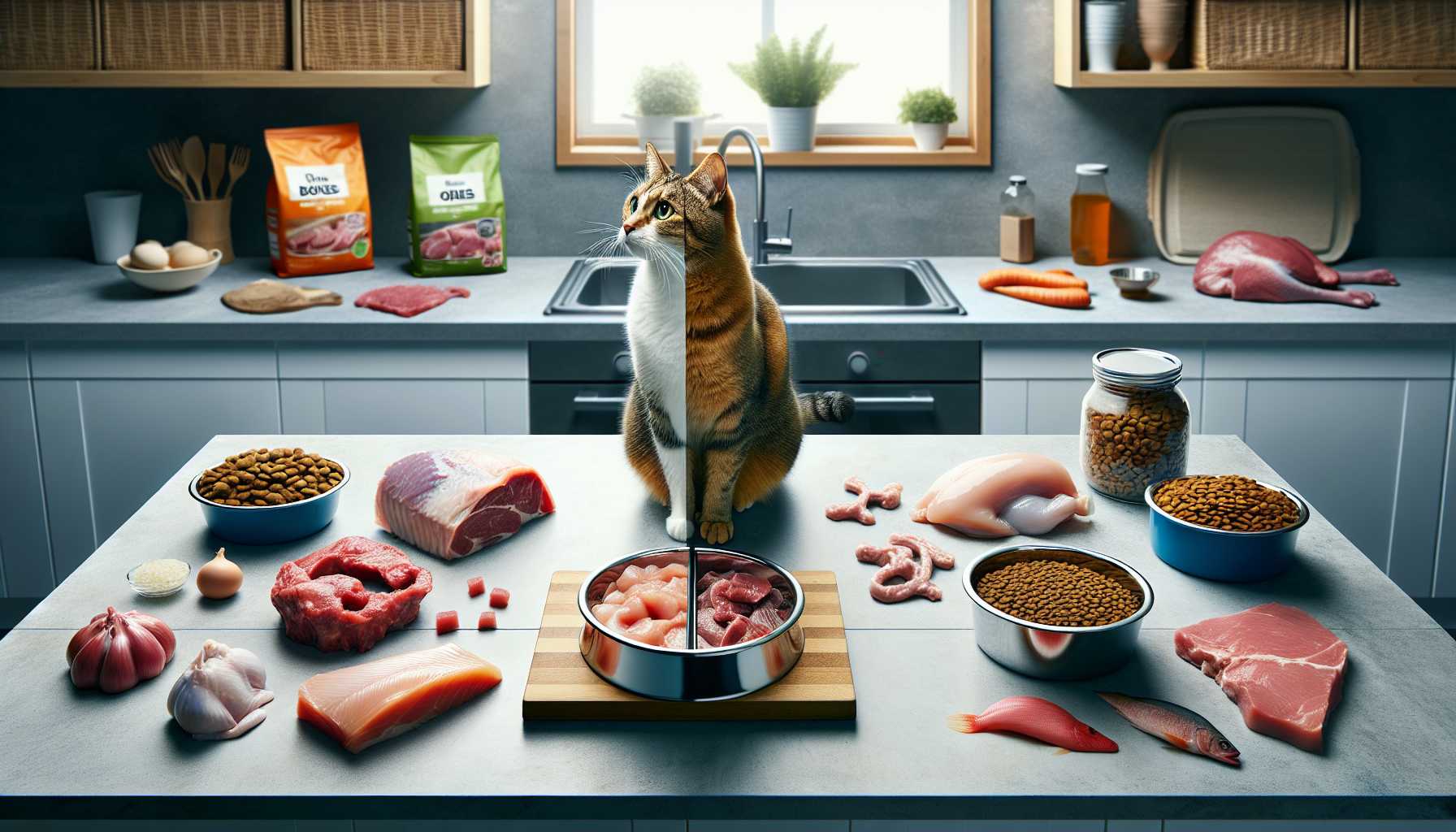
Understanding the Differences: A Nutrition Guide on Raw Food and Commercial Cat Food
The task of choosing the most suitable food for your cat can often be perplexing. With a myriad of options available, knowing what's best for your feline friend can seem daunting. Let's delve into the essential differences between raw food and commercially processed cat food.
Getting to Know Your Cat's Dietary Requirements
It's noteworthy to underline that cats are obligate carnivores. In simpler terms, their survival and optimal health depend on a meat-centric diet. Cats, in their natural habitat, prey on smaller creatures such as mice and birds. Their bodies have evolved to break down and absorb nutrients from raw meat, bones, and organs.
Despite being domesticated, your pet cat still requires a diet high in protein, moderate in fats, and very low in carbohydrates. This knowledge becomes our foundation to compare and evaluate the two food options.
An Introduction to Raw Cat Food
A raw food diet for cats is largely based on their natural, predatory diet. It commonly consists of raw meat, a variety of organs, and occasionally, bones. Pet owners can either prepare this diet at home or opt for commercially available raw diets.
The typical raw diet includes chicken, turkey, rabbit, or fish. Even though some diets might contain vegetables, they aren't an essential part of a cat's diet. The main objective of a raw diet is to offer nutrition that is both unprocessed and species-specific.
Commercial Cat Food: The Preferred Option For Convenience
For busy cat owners, commercial food offers a convenient alternative. These foods, available in forms such as dry kibble, canned wet food or freeze-dried variants, are cooked at high temperatures during manufacturing. To meet the nutritional guidelines, they supplement these foods with vitamins and minerals.
Although these foods contain meat, they are also composed of grains, vegetables, and preservatives. Their easy availability and convenience make commercial foods a popular choice.
Protein Content: A Comparative Analysis
Raw food naturally provides high-quality protein as the proteins remain unaltered due to the absence of high-heat processing. These proteins are easier for your cat to digest and absorb.
Commercial foods, on the other hand, often utilize protein meals and by-products. While these aren't inherently harmful, the food processing can decrease protein quality. However, recognized and trusted brands manage to supply sufficient protein for a majority of cats.
Digestibility and Nutrient Absorption: A Critical Comparison
Supporters of raw food highlight its better digestibility. They cite examples of cats on raw diets producing smaller and less frequent stool. The natural enzymes in raw meat are believed to aid digestion.
As for commercial foods, their digestibility differs significantly based on the brand. While premium brands are usually easily digestible, the low-cost options can sometimes lead to digestive issues. It's important to note that the cooking process can make certain nutrients more accessible while destroying others.
Moisture Content: A Key Differentiating Factor
Cats naturally have a low thirst drive, having evolved to derive most of their hydration from their prey. Mimicking natural prey, raw diets naturally comprise 65-75% water.
In contrast, dry commercial food only contains 6-10% moisture. Even wet commercial cat food contains less moisture than raw food. This difference can have a significant impact on your cat's level of hydration.
Carbohydrate Content: How They Vary
Wild animals that cats prey on usually have less than 2% carbohydrate content. Raw diets closely follow this low-carbohydrate blueprint, with some commercially available raw foods having slightly higher carbohydrate content due to added vegetables.
In the realm of commercial cat food, dry foods often contain a whopping 30-50% carbohydrates. Even the grain-free varieties use substitutes, such as potato or peas, as binding agents. Comparatively, wet commercial foods contain fewer carbohydrates than the dry version.
A Look at Vitamin and Mineral Profiles
Raw food will offer vitamins and minerals in their natural state. However, maintaining a balanced homemade raw diet requires careful thought and implementation. It's crucial to ensure appropriate supplementation to prevent deficiencies.
In contrast, commercial foods come fortified with nutrients to meet AAFCO's nutritional standards, ensuring complete, balanced nutrition. However, synthetic vitamins may not be as easily absorbed as their natural equivalents.
Considerations Around Food Safety
Raw food, by its nature, contains inherent microbial dangers. Contaminants such as Salmonella and E. coli can be present, necessitating strict protocols for handling, sourcing, and storage.
While commercial foods undergo processes to eliminate pathogens, contamination can still occur, leading to product recalls. Both feeding options command equal attention to food safety measures.
Cost Implications: A Realistic Check
The cost of feeding raw food is usually higher than commercial food. Quality meat and necessary supplements can quickly add up. We shouldn't overlook the time commitment involved in preparing food, which also has its own value.
The cost of commercial foods fluctuates from budget to premium. Suitable options that offer adequate nutrition are available at different price points, and the added value of convenience makes them approachable options for households with time constraints.
Ease and Lifestyle Compatibility
Preparing a raw diet needs substantial time and planning, including factors such as freezer space, preparation time, and a sound knowledge of nutrition. Moreover, it could complicate travel arrangements.
On the other hand, commercial food offers unparalleled convenience. Just pop open a can or pour out some kibble and your cat is fed. This suits busy, modern lifestyles perfectly well.
Credible Health Benefits
There are anecdotal reports from raw food advocates of improved coat shine, better dental health, and increased energy in their cats. However, we have seen limited controlled studies comparing raw and commercial diets.
In contrast, commercial diets have decades of research behind them, affirming their nutritional worth. Many cats lead healthy, long lives consuming quality commercial foods. It underscores that different cats may thrive on either feeding method.
Risks and Potential Issues
Raw diets run the risk of nutritional imbalance if not carefully formulated. Health risks from bacterial contamination can affect both cats and humans. Bones in the diet also present the risks of choking or causing intestinal obstruction.
Commercial foods may include preservatives and manufactured ingredients, with low-quality brands possibly using inferior protein sources. Over-processing may also diminish the nutritional value of these foods.
Deciding On the Best Choice for Your Cat
Before making any decision, comprehend your cat's unique needs, taking into account their age, current health status, and food preferences. It's always advisable to consult with your veterinarian before making significant dietary changes.
You must also honestly assess your lifestyle. Ask yourself if you can commit to safely preparing a raw food diet. Or, perhaps, commercial food would best complement your routine? Both options can sustain feline health if executed correctly.
Safe Transition Between Diets
Any change in diet should be introduced gradually over a period of 7-10 days. Start by mixing small quantities of the new food into the existing diet. As days pass, increase the proportion of the new food and decrease the existing diet.
During transitions, monitor for any digestive disturbances. Loose stools, vomiting, or shifts in appetite are signals to slow down the transition. Certain cats might require an even longer duration.
Seeking Quality Alternatives in Each Category
For a raw diet, source from reliable suppliers or consult a veterinary nutritionist. Ensure a proper balance of proteins, organ meats, and supplements. Ready-made, commercial raw diets are another worthy option for convenience.
When it comes to commercial food, scrutinize the ingredient list carefully. Choose foods with named meat sources as the initial components and avoid those with excess fillers, artificial colors, or preservatives.
The Final Evaluation: Deciding what's Best for Your Cat
Both raw and commercial diets can meet your cat's nutritional requirements. The "best" choice will hinge on your cat's health, your own lifestyle, and your commitment level. Rather than a particular diet type, the quality of food is what truly matters.
Maintain your focus on serving appropriate nutrition that fits within your means. A well-formulated commercial diet always triumphs over a poorly planned raw one. Your cat's wellbeing and your peace of mind should guide this critical decision.
Remember, a diet that works for one cat might not always work for another. Stay adaptable and prioritize your cat's wellness over fashionable diet trends or societal pressure.