Cat Scratch Furniture Protection: Complete Defense Guide
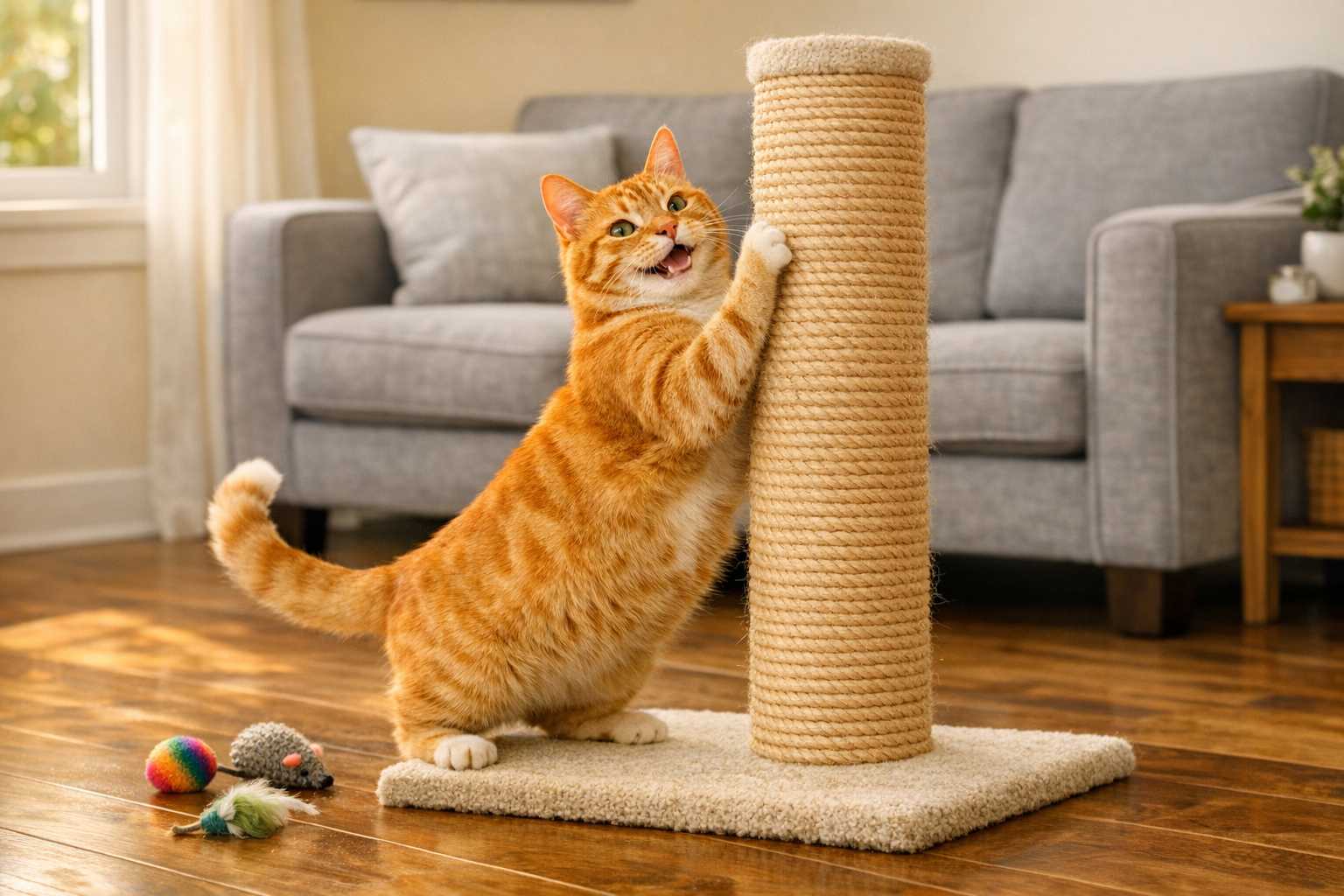
Protecting Furniture from Cat Scratches: An All-Inclusive Manual
Cats are instinctively drawn to scratching. It's a crucial activity for maintaining their claws and asserting their dominance. When your costly sofa becomes their preferred scratching post, it's time to act.
Bear in mind - you can safeguard your belongings without the need to declaw your cat. This manual offers comprehensive guidance on how to accomplish it.
Why Furniture Attracts Cats to Scratch?
It's essential to understand the reasoning behind your cat's behavior to effectively address this problem. Cats are enticed to scratch for several key reasons:
- To hone their claws,
- To deposit their scent and establish territory,
- To exercise individual muscles and joints,
- As a way to publicly express stress anxiety,
- And as a means of entertaining themselves.
Your furnishings might particularly appeal to your cat. Soft textures coupled with strong frames form an exquisite scratching surface.
Better Alternatives to Scratching
The most effective preventative measure is providing your cat with an option they find more enticing than your furniture.
The Correct Choice of Scratch Posts
Choosing the suitable scratch post is no easy feat. Your cat requires options preferable to your furniture:
Height is of essence. Choose posts of at least 30 inches, as cats enjoy fully extending their body during scratches.
Sturdiness is paramount. Flimsy posts might frighten cats. Opt for heavy-duty selections to prevent accidental falls.
Consider Material. Sisal rope, corrugated cardboard or carpet are among the top choices. Each cat has unique preferences.
Offer variety in angles. Some cats prefer vertical posts while others horizontal. Ensure both options are available.
Strategic Positioning
The location of scratch posts can greatly influence their effectiveness:
- Situate posts near furniture that is already being scratched,
- Install posts in areas frequented by your cat,
- And keep them in clear sight, not concealed in obscure spots.
- It is worth considering placement of scratch posts in various rooms.
Physical Methods to Protect Furniture
While your cat is undergoing training, these tried-and-proven methods can preserve your furniture:
Using Covers and Guards for Furniture
Clear, sticky shields can be attached to furniture corners and armrests.
Durable, scratch-resistant covers that fit tightly over furniture are a popular option.
Double-sided tape offers an uncomfortable, sticky sensation that most cats detest.
Modifying the texture
Cats tend to avoid surfaces that cause discomfort:
- Aluminum foil produces a crinkling sound and an abnormal feel,
- Sandpaper strips are excessively coarse for most cats,
- Plastic carpet runners with the spiked side upwards,
- Furniture polish can make surfaces too slippery for cats.
Effective Natural Deterrents
A lot of cat owners prefer naturally-derived alternatives. Following options are considered safe and efficient:
Scent-Based Deterrents
Citrus peels have proven to be effective. Rubbing orange or lemon peels on furniture usually works as most cats tend to avoid citrus scents.
Essential oils like eucalyptus or lavender have cat-repelling properties. Use cautiously and verify its safety for cats.
Coffee grounds can deter scratching when sprinkled around furniture. Regular replacement is necessary.
Sound Deterrents
Devices activated by motion produce sounds that can discourage cats from returning to certain areas.
Aluminum cans filled with coins create noise when tilted. They can be strategically placed to prevent scratching.
Successful Cat Training
Successful protection is achieved with concurrent training. Here's how to redirect scratching behavior:
Implementing Positive Reinforcement
Reward your cat immediately for exhibiting the desired behavior. When your cat uses their scratching post:
- Provide treats simultaneously,
- Show affection by petting,
- Play with them around the post,
- Make it a rewarding experience.
Empathetic Redirection
When your cat is caught scratching furniture:
- Say "no" in a soothing tone,
- Gently escort them to their designated scratch post,
- Affirm their right behavior with a reward,
- Stay persistent with routine.
Timing Importance
Cats exhibit increased scratching tendencies during specific moments:
- Upon waking up,
- Prior to feeding time,
- During playtime,
- In instances of heightened excitement or stress.
Identify these patterns and streamline them towards appropriate scratch post
Store-Bought Products as Helper
A range of products are available that simplify protecting furniture:
Scratch Deterrent Sprays
Commercial sprays exploiting cat-disliked odors are convenient and ensure cleanliness. Regular reapplications are beneficial.
Nail Caps
Soft plastic caps that cover cat's claws prevent damage. They can be applied by a vet or a professional groomer without causing pain.
Scratching Post Attractants
Catnip sprays and powders heighten the appeal of scratch posts. They can be used to divert attention towards suitable places for scratching.
Creating a Cat-friendly Environment
The most effective protection strategy entails addressing all of your cat's needs:
Creating Multiple Scratch Zones
Designate multiple areas in your home for scratching:
- Living room posts for communal scratches.
- Bedroom posts for early morning stretches.
- Post near food and water for pre-meal scratches.
- Window posts for territorial marks.
Introducing Enriching Activities
Bored cats are likely to scratch more furniture.
- Interactive toys reduce unwanted behavior.
- Cat trees offer both climbing and scratching opportunities.
- Window perches provide a continuous source of entertainment.
- Regular playtimes help to deplete built up energy.
Consistency and Maintenance
Success requires dedicated efforts to:
Regular Claw Trimming
Trim your cat's claws every 2-3 weeks. Shortened claws will inflict less damage on furniture. Trimming is a procedure most cats can be trained to tolerate with time and patience.
Cleaning of Existing Scratch Marks
It's crucial to thoroughly clean existing scratch marks. Enzyme cleaners remove scent markers that entice repeat scratching.
Periodically Change Deterrents
Deterrents can lose their effect overtime as cats adapt. To maintain effectiveness, modify methods periodically.
Seeking Professional Help
Under some circumstances, you may require outside help:
- If your cat is showing a sudden increase in scratching behavior (potential stress or health concerns),
- With multiple cats competing for scratch posts,
- If your cat exhibits signs of anxiety or behavioral concerns,
- If no noticeable improvements are seen over time.
A vet can rule out potential health issues while professional behaviorists can assist in tackling complicated scratch-related problems.
Tips for Long-term Success
Preserving your furniture from cat scratches requires patience:
Start immediately. Kittens adapt quickly, start training as soon as possible.
Remain consistent. Mixed signals can confuse cats. Ensure all household members abide by the same rules.
Patience is key. Altering behavior can take time, anticipate gradual improvements over a period of weeks or months.
Adjust strategies. If an approach is not working, try something else. Each cat responds to different stimuli.
Maintenance is critical. Keep all scratching posts in good condition. Promptly replace worn-out deterrents.
Final Thoughts
Your furniture and your feline can peacefully coexist. The secret lies in understanding why cats are drawn to scratching and offering them more appealing alternatives.
Integrate physical protection methods with positive reinforcement training strategies. While employing deterrents, simultaneously guide your cat towards appropriate scratching behavior. Consistency and patience are crucial to success.
Remember that scratching behavior is natural and beneficial for cats, the aim is not to eliminate scratching, rather to redirect it to designated zones.
With the right approach, enjoying pristine furniture while caring for a happy and healthy cat is achievable. This benefits all members within the household.
Begin by trying one or two strategies from this guide and build on these techniques gradually. Over time, you will have created an effective system to protect your furniture from cat scratches.