Emergency Signs in Sleeping Cats: When to Call the Vet
Identifying Danger Signs in Cats' Sleep: When It's Time to Contact the Vet
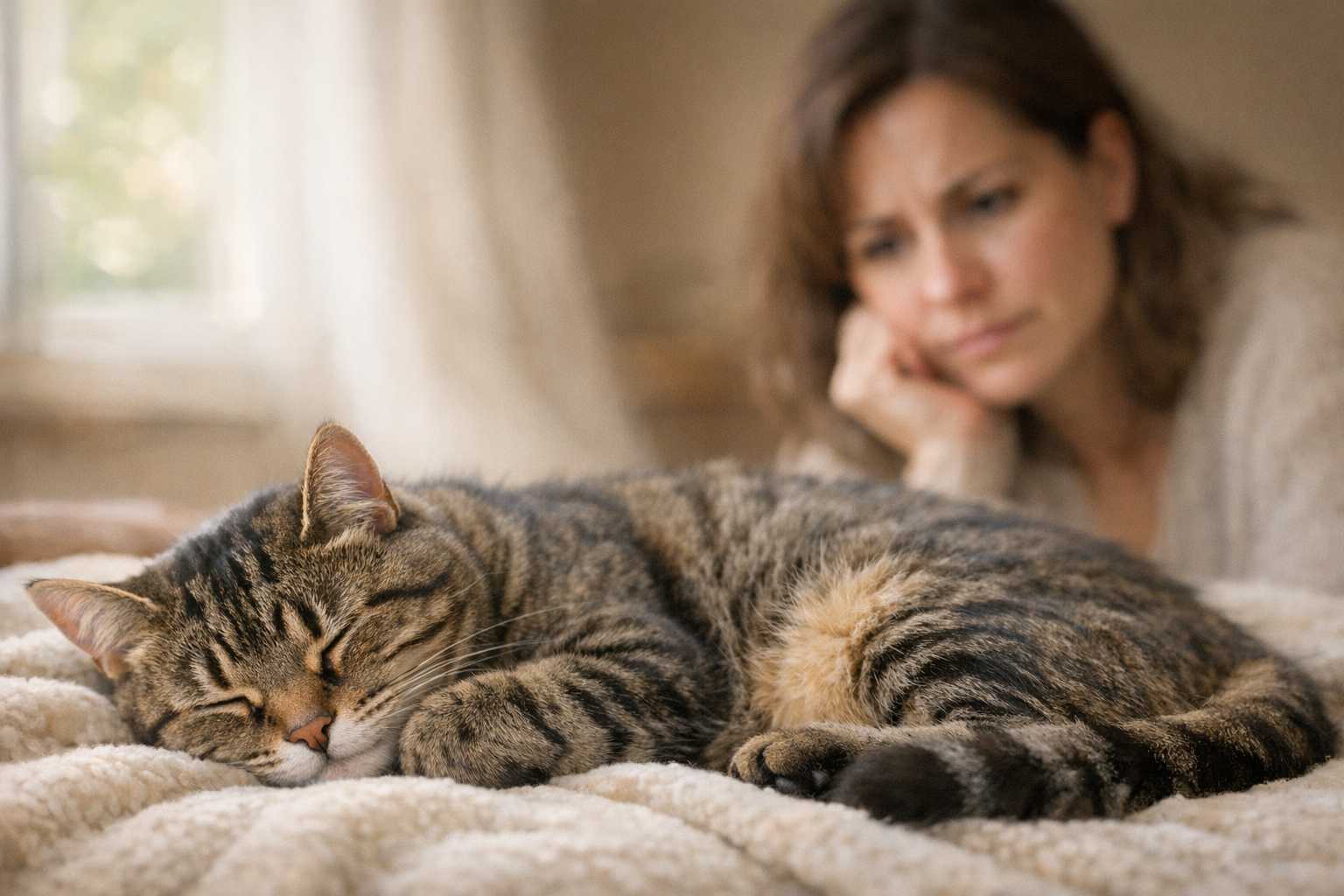
A favorite pastime of many cat owners are the peaceful moments spent watching their feline friends snoozing contentedly. With their propensity of sleeping 12-16 hours a day, it’s an activity cats seem to enjoy immensely. However, appearances can deceive, and what looks like nothing more than blissful slumber could, in fact, be a sign of potential health problems.
Being aware of alarm signals could potentially save your cat's life. Thus, it is important for every cat owner to identify the signs of concern.
Regular Cat Sleep vs. Symptoms of Possible Concern
Cats that are healthy exhibit a range of sleeping postures and locations. They may curl up tightly, extend their bodies fully, or find gentle concealment in snug corners. Their breathing should be both regular and quiet.
Regular sleep can include occasional fidgeting, soft purring, and the cat waking up easily when called.
Yet, some sleeping behaviors are indicative of possible medical emergencies.
Urgent Warning Signs that Require Immediate Vet Intervention
Difficulty Breathing Amidst Sleep
Be aware of the following potential breathing issues: - Fast, shallow breaths - Breathing through the mouth (as cats normally inhale and exhale via their nose) - Sounds of wheezing or gasping - Breathing that is unusually noticeable with each inhalation and exhalation
These symptoms could be signs of heart disease, pneumonia, or asthma. Don’t delay - immediately contact your vet.
Unconsciousness or Lack of Responsiveness
Your cat should rouse when you: - Call their name loudly - Shake them gently - Present them with their favorite treats
If the cat does not respond or appears unconscious, this demands immediate veterinary attention. It could be an indication of severe sickness, poisoning, or neurological issues.
Bluish or Pale Gums
Regularly check the color of your cat's gums. Pink gums are healthy. Bluish, grayish or extremely pale gums mean insufficient oxygen circulation, and emergency care is required without delay.
Seizures While Sleeping
Seizures can occur while a cat is sleeping. The signs include: - Violent shaking or quivering - Body becoming rigid - Loss of control over bladder - Excessive salivating
If these signs are apparent, contact your emergency veterinarian straightaway.
Serious Symptoms that Warrant Same-Day Vet Consultation
Significant Sleep Pattern Alterations
Abrupt changes in the sleeping habits of your cat could indicate an illness: - Sleeping an excessive amount - Displaying inability to get comfortable - Frequently changing positions during sleep - Sleeping in unusual spaces (such as closet hiding spots)
Often these changes can precede the appearance of other symptoms.
Excessive Noises During Sleep
While some noise-making during sleep is not abnormal, excessive crying or yowling is not typical and could possibly indicate: - Pain or discomfort - Cognitive dysfunction - Hyperthyroidism - Hypertension
Extreme Temperature Changes
Touch your cat's ears and paws while they sleep. They should not feel: - Excessively warm (indicating fever) - Extremely cold (suggesting hypothermia) - Damp or wet
These temperature fluctuations necessitate an assessment by a veterinarian.
Abnormal Body Positions
Certain sleeping positions could indicate pain or issues with breathing: - Sitting upright with head extended high (a potential sign of breathing difficulty) - Consistently curled up into a tight ball - Inability to lie flat - Restless shifting of positions
Signals to Keep an Eye on and Arrange Vet Consultation
Alteration in Sleep Quality
The sleep of your cat should appear restful. Some warning signs include: - Frequently waking during the night - Restless tossing and turning - Difficulty in finding a comfortable position - Enhanced anxiety around bedtime
Snoring or Modifications in Breathing
New snoring in cats can hint at: - Upper respiratory infections - Allergies - Nasal blockages - Obesity-related respiratory issues
Although not always urgent, these issues should be evaluated by a vet.
Changes in Preferred Sleep Location
Pay attention if your cat suddenly: - Avoids their favorite sleep locations - Seeks unusually warm or cold places - Starts hiding more frequently - Sleeps in more accessible locations (which may suggest mobility issues)
Sleep Changes to Observe in Different Age Groups
Senior Cats (7+ years)
Although senior cats naturally sleep more, pay attention to: - Disorientation upon waking - Increased noise-making at night - Difficulty reaching preferred sleep locations - Changes in bathroom habits during sleep
Kitten Sleep Issues
Newborn cats require more sleep, but be attuned to: - Difficulty maintaining body warmth - Irregular breathing patterns - Failure to wake up for feeding - Sudden lethargy beyond usual kitten tiredness
When to Reach Out to Your Emergency Vet
When witnessing the following signs, immediately get in touch with emergency vet services: - Difficulty in breathing - Unconsciousness - Seizures - Bluish or pale gums - Indications of severe pain - Extreme temperature fluctuations
These symptoms are serious; it’s important not to wait until morning before addressing them.
When to Schedule a Routine Vet Appointment
Schedule a consultation within a few days if you notice: - Gradual changes in sleep patterns - New snoring or alterations in breathing - Modifications in the favored sleeping spots - Increased restlessness - Minor changes in temperature
Aiding Your Vet
When you contact or visit your vet, provide pertinent details such as: - The time you noticed the initial changes - The duration of the symptoms - Your cat's regular sleep patterns - Any other changes in behavior - Current or recent changes in medication
Videos of concerning behaviors can provide invaluable assistance.
Crafting a Safe Sleep Environment
While watching for potential issues, ensure your cat’s space has: - Comfortable, clean sleeping spots - Quiet areas for sleeping - Appropriately warmed rooms - Easy access to drinking water and litter box - Safe spaces away from other pets (if needed)
Preventative Measures and Regular Monitoring
Daily Health Assessments
Develop a habit to: - Observe your cat’s breathing during sleep - Note any alterations in the quality or duration of sleep - Regularly check the color of your cat’s gums - Observe eating and drinking habits
Regular Vet Appointments
Regular visits to the vet, ideally annually and twice a year for senior cats, can help in early detection of potential issues.
Discuss any sleep changes, even minor ones, during these routine visits.
Trusting Your Instincts
As an owner, you know your cat better than anyone else. If something doesn't feel right, never hesitate to contact your vet.
When it comes to your furry family member's well-being, it's always better to err on the side of caution.
Conclusion
Observing your cat during sleep can provide critical insights into their health. Cats are often skilled in concealing discomfort or pain, but their sleep behavior can reveal valuable clues.
Stay mindful, trust your instincts, and ensure regular care from the vet. Your watchfulness can play a vital role in early detection of any issues and in maintaining your cat's health and happiness.
Always remember, when in doubt, consult with your vet, who is your best resource for keeping your furry friend happy and healthy.