Fel d1 Protein Guide: Understanding Cat Allergies
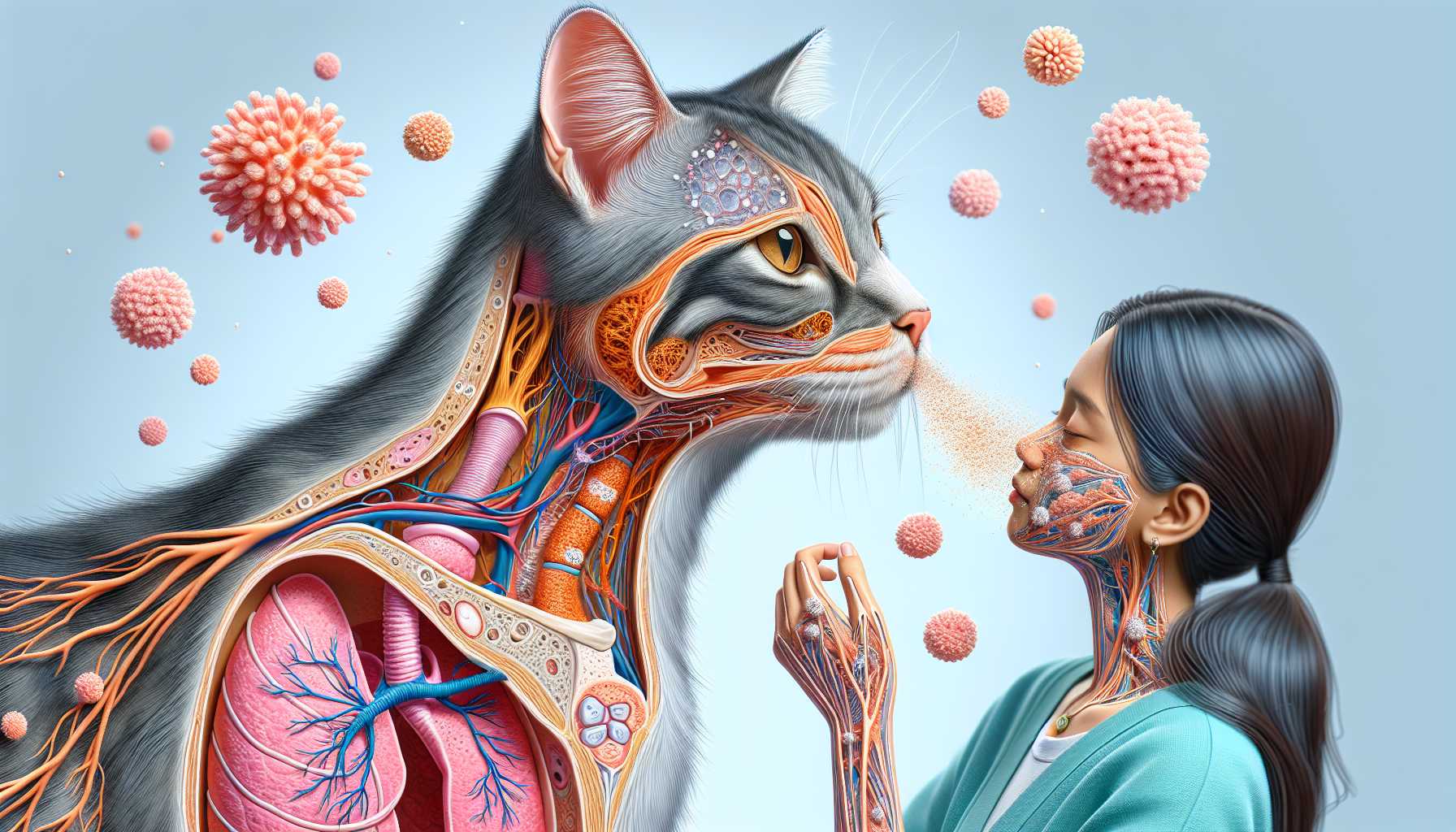
A Comprehensive Guide to Understanding Cat Allergies and the Fel d1 Protein
Are you a cat lover who can't stop sneezing around your feline friends? You're part of a large community, with cat allergies affecting millions of people globally. The common offender behind most of these cases is the Fel d1 protein.
Let’s dig deeper into this intriguing subject to give you a clearer understanding of cat allergies.
Getting to Know the Fel d1 Protein
The prime allergen responsible for causing reactions among those allergic to cats is the Fel d1 protein. Cats naturally produce this diminutive protein in their bodies.
The lightweight nature of this protein allows it to remain airborne for several hours once a cat has exited the room. This is why many individuals start sneezing even before spotting a cat!
The term "Fel d1" is derived from its scientific designation. Here, "Fel" represents Felis, denoting the cat family, and it was the first significant cat allergen identified.
Where is Fel d1 Protein Produced in Cats?
Cats generate Fel d1 protein in diverse parts of their body. The main sources of this protein include:
Sebaceous glands: These skin-based glands are responsible for the highest production of Fel d1. They generate oils that maintain a cat's fur coat.
Salivary glands: These also generate the protein. As cats groom themselves, they disperse Fel d1 on their fur.
Anal glands exhibit lower protein production. Even tear ducts contribute to the total Fel d1 production.
Here’s an intriguing fact: allergies are not triggered by cat hair per se. In fact, cat hair is innocuous, with the real issues arising from the Fel d1 protein enveloping the hair due to self-grooming and skin secretion oils.
Why Do Some Cats Produce More Fel d1?
The levels of Fel d1protein production is not uniform in cats, with multiple factors coming into play:
Gender is crucial. Male cats usually generate more Fel d1 than their female counterparts, with unneutered males showing the highest protein levels.
Age impacts protein production. Adult cats show higher Fel d1 levels compared to kittens, while senior cats often display fluctuating quantities.
Individual genetics play a pivotal role in determining protein levels. Some cats are naturally low producers, while others generate significant amounts.
Breed characteristics can sway protein production levels. However, no cat breed is fully hypoallergenic.
Do Hypoallergenic Cats Truly Exist?
This query is perennially raised by those who suffer from cat allergies. Although there’s no categorical yes, all cats produce a certain amount of Fel d1 protein. However, some cats generate considerably less than others.
Commonly regarded as low-allergen cats, Siberian cats often exhibit reduced Fel d1 protein levels.
Russian Blue cats might also produce fewer proteins. However, the extent of individual variation within any breed is significant.
Even Sphynx cats (or hairless cats) produce the Fel d1 protein. Lack of fur ensures the protein is dispelled directly from their skin into the surrounding environment.
Therefore, the protein production levels of individual cats are arguably more significant than their breed. For instance, a mixed-breed cat could possibly produce less protein than a "hypoallergenic" pedigreed cat.
The Mechanics of Cat Allergies
If you’re allergic to cats, your immune system misunderstands the Fel d1 protein as a dangerous intruder, subsequently launching an attack on this harmless protein.
Initially, your immune system develops IgE antibodies specific to the Fel d1 protein. These antibodies help your body recognize the protein during future encounters.
Upon subsequent exposure to the Fel d1 protein, these antibodies spring into action, triggering mast cells to discharge histamine amongst other chemicals.
These chemicals are responsible for several allergy symptoms including sneezing, itching eyes, runny noses, and at times, breathing difficulties.
Common Symptoms of Cat Allergies
Usually, cat allergy symptoms manifest shortly after exposure, and is usually noticed within minutes.
Respiratory symptoms are most common and include: - Severe sneezing - A runny or congested nose - Itchy, watery eyes - Coughing - Wheezing or difficulty in breathing
Skin reactions can also occur which include: - Swollen, itchy patches - Hives or raised bumps - Eczema flare-ups
Less common but possible,severe reactions include: - Tightness in the chest - Extreme asthma attacks - Swelling of the face
Immediate medical attention is required if you experience severe breathing issues.
Testing for Cat Allergies
If you’re doubtful whether you are indeed allergic to cats, appropriate tests can help affirm your suspicion.
Skin prick tests are a common approach where a doctor introduces a tiny quantity of cat allergen onto your skin making a minuscule scratch. Any reactions will be evident within 15-20 minutes.
Blood tests help in measuring IgE antibodies to cat allergens. These tests are recommended if you cannot discontinue the consumption of antihistamines or suffer from extreme eczema.
Component testing can help specifically identify Fel d1 sensitivity. This recently introduced test offers finer details about your specific allergies.
Managing Cat Allergies While Living with Cats
Even amidst cat allergies, many people successfully cohabitate with their feline buddies. It’s doable but demands dedication and a strategic approach.
Strategies for Environmental Control
An ideal solution is air purification. HEPA air purifiers can effectively trap airborne Fel d1 particles. Use them continuously in frequently used rooms.
Regular cleaning helps minimize allergen accumulation. Vacuum carpets and upholstery twice a week using a HEPA filter vacuum.
Tough flooring like hardwood, tile, or laminate are easier to clean than carpets and are thus preferable.
Hot water washing of fabrics helps eliminate the Fel d1 protein. Regularly wash curtains, throw pillows, and blankets.
Modifications in Cat Care
Bathing your cat regularly can reduce the quantity of Fel d1 on your cat's fur. Use cat-friendly shampoos and ease your cat gradually into the routine if it is unused to baths.
Daily brushing helps get rid of loose fur and lowers shedding in your space. Ideally, a non-allergic family member should perform this outdoors.
Specialized wipes created for allergen reduction can be beneficial between baths. Wipe down your cat gently using these products.
Establishing Allergen-Free Zones
Bedrooms ought to be cat-free areas. You spend several hours sleeping, hence keeping this space pristine helps considerably.
Use high-quality air filters in your HVAC system and replace them frequently, especially during peak shedding seasons.
Prevent cats from climbing on furniture where you spend a lot of time. Offer them appealing alternative perches and beds.
Options of Medical Treatments
Over-The-Counter Treatments
Antihistamines such as loratadine, cetirizine, or fexofenadine can be effective in managing mild symptoms. For the best results, consume them prior to expected cat exposure.
Nasal corticosteroid sprays help reduce inflammation in your nasal passages. These are particularly useful for nasal congestion and a runny nose.
Eye drops formulated for allergies can help soothe itchy, watery eyes. Opt for antihistamine eye drops for instant relief.
Prescription Treatments
Stronger antihistamines may be required for severe reactions. Your doctor can suggest more powerful options.
Prescription nasal sprays provide more substantial relief compared to over-the-counter versions.
Asthma medication may be necessary if you experience breathing difficulties around cats.
Options for Immunotherapy
Allergy shots can slowly diminish your sensitivity to cat allergens. Though this treatment extends for months to years, it offers long-term respite.
Sublingual immunotherapy involves positioning allergen tablets under your tongue. This innovative treatment is handy but not widely accessible for cat allergies yet.
Cat Allergy Solutions in the Future
There’s a sense of anticipation around the latest developments in cat allergy research. Scientists are exploring multiple pioneering approaches.
Cat vaccines are being developed to reduce the production of Fel d1, intended for cats, and not for humans.
Investigations are also underway for specialized cat foods that may lower allergen production. Preliminary research signals hopeful results.
Gene therapy strategies are being explored, which could potentially modify cats to produce less Fel d1.
Progress is also happening in air filtration technology, providing future systems that can capture even tinier allergen particles.
How to Live a Fulfilling Life Despite Cat Allergies
Being allergic to cats doesn't preclude you from enjoying their companionship. Proper handling of this situation enables numerous people to coexist happily with their kitties.
Considering adopting a cat? Start slowly. Spend some time with different cats to gauge your reactions.
Collaborate with your doctor to create a comprehensive management plan. This could include medications, changes in your immediate environment, and regular monitoring.
Stay patient with the process. Finding the right amalgamation of strategies calls for time and experimentation.
Consider fostering a cat before committing to adoption. This gives you an opportunity to test your management strategies.
Key Points
The Fel d1 protein is the major cause of cat allergies. All cats generate this protein, but quantities vary greatly from one cat to another.
A comprehensive understanding of how cat allergies work can help make informed decisions about prevention and treatment strategies.
Effective management of cat allergies typically requires a multi-faceted approach, involving environmental control, medical treatments, and modifications in lifestyle.
With determination and the right strategies, numerous people with cat allergies continue to enjoy thriving relationships with their feline companions.
Remember, you don't need to sacrifice your health or your love for cats. There are potential solutions to assist you in breathing comfortably while enjoying cuddles from your purring friends.
If you're grappling with cat allergies, consult an allergist or your healthcare provider. They can assist you in devising a personalized plan that suits your distinct situation.
Despite the challenges that cat allergies bring, they don't have to spell the end for your relationship with cats. Armed with knowledge, preparation, and effective management, you can chart a course that benefits both you and your feline partners.