Healing Cat Scratch Wounds: First Aid Treatment Guide
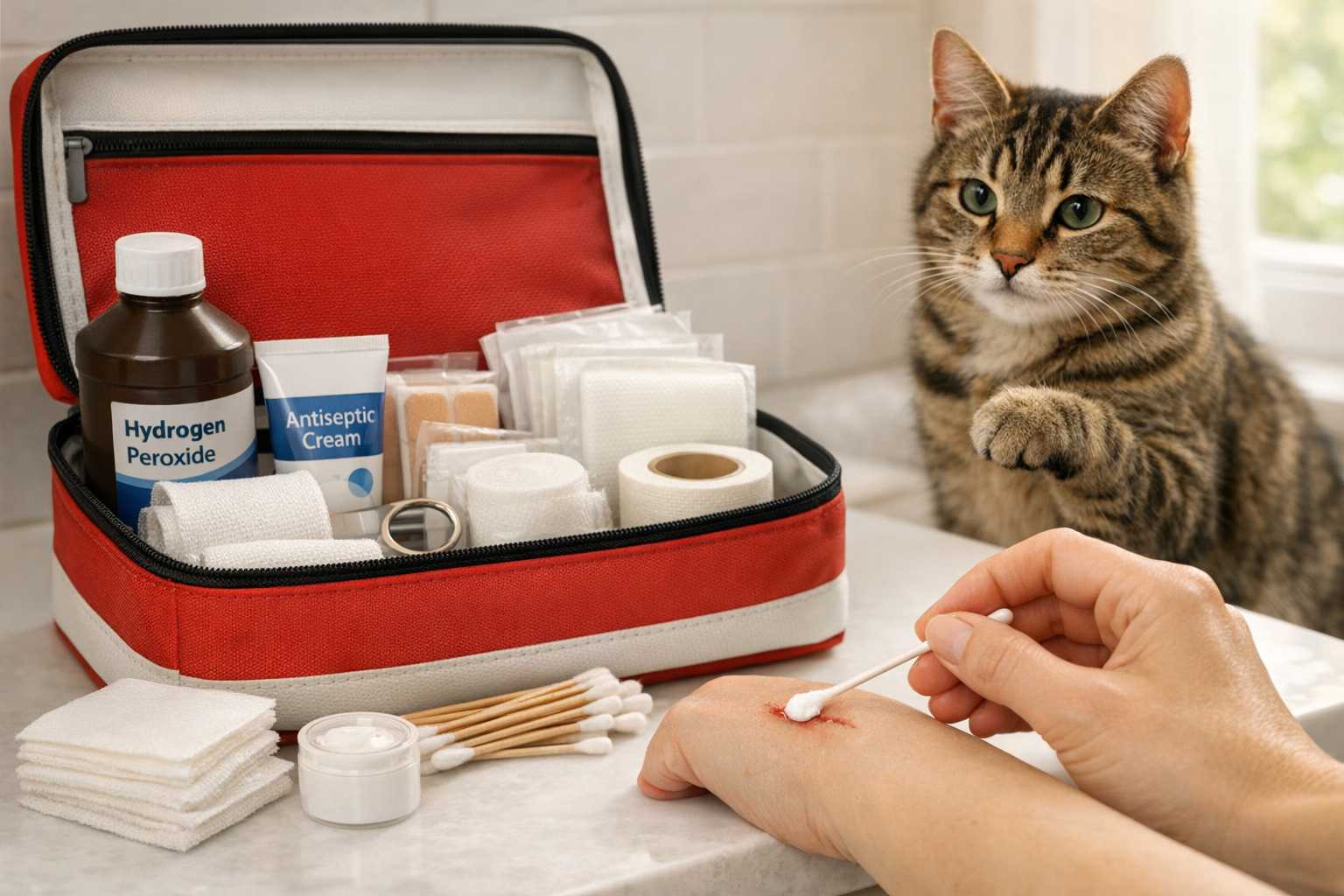
First Aid Treatment Guide for Healing Cat Scratch Wounds
Cat scratches are common and can happen to anyone, whether you are a cat owner or just happened to cross paths with an aggressive little kitty. It is essential to know how to correctly treat these injuries.
You should not worry, as most cat scratches are not severe and heal well with appropriate care. Here is a guide detailing all the steps you need to take to treat cat scratch wounds safely and efficiently.
A Closer Look at Cat Scratch Wounds
Cat claws are sharp, and they can dig deep into the skin, carrying bacteria that could lead to infection if not treated aptly.
These wounds are usually deep, thin cuts. They might bleed at first but often stops quickly.
What's worrisome about cat scratches is not the scratch itself, but the bacteria naturally present on their claws and in their mouths.
Immediate First Aid Measures
Halting the Bleeding
Put gentle pressure on the wound using a clean cloth or tissue. The bleeding from most cat scratches ceases within a few minutes.
Bleeding is normal and rather beneficial as it helps cleanse the wound of bacteria naturally.
Hand Hygiene
Before touching the wound, clean your hands thoroughly using soap and warm water to prevent introducing more bacteria.
If soap and water are not readily available, use a hand sanitizer.
Correct Technique to Clean the Wound
Rinse with Clean Water
Place the injured area under running lukewarm water (not too hot or cold) for several minutes.
Allow the water to flow over the wound to clear off any dirt, bacteria, and debris.
Soap Usage
Gently apply a small amount of mild soap around the wound area. Try not to get soap into the wound directly as it can cause irritation.
Using your fingertips, carefully clean the surrounding skin.
Dry the Wound Cautiously
Gently pat the area dry with a clean towel. Refrain from rubbing the wound as it can cause further inflammation.
Make sure the wound is thoroughly dry before applying any treatments.
Wound Disinfecting
Picking the Correct Antiseptic
Apply a thin layer of antiseptic solution or cream. Some suitable options include:
- Hydrogen peroxide (use minimally)
- Isopropyl alcohol
- Antibiotic creams such as Neosporin
- Betadine solution
Gentle Application
Use a cotton swab or a clean finger to apply the antiseptic. Do not pour it directly onto the wound.
Let the antiseptic air dry for a minute before covering the wound.
Bandaging the Wound
When to Apply Bandage
Cover the wound if the bleeding has not stopped or if it is situated in an area likely to get dirty. Deep scratches should always be bandaged.
Shallow scratches in clean areas can be left uncovered to air dry.
Proper Bandaging Technique
Apply a sterile adhesive bandage slightly larger than the wound. Make sure to change the bandage daily or when it gets wet or dirty.
Avoid wrapping too tightly to ensure proper blood circulation.
Signs of Infection You Should Monitor
Early Indicators
Keep an eye out for these signs of a possible infection:
- Increasing redness surrounding the wound
- Swelling that gets worse after 24 hours
- Warmth around the scratch
- Pus or abnormal fluid discharge
- Red streaks emanating from the wound
When Symptoms Aggravate
If symptoms like fever, chills, or swollen lymph nodes persist, seek immediate medical attention as these could be indications of cat scratch disease.
Never ignore a constant pain that worsens over time.
Situations When Medical Care is Necessary
Seek Immediate Medical Help If:
- The scratch is deep and the bleeding doesn't stop
- You can't remove all the dirt or debris
- The scratch is on your face, hands, or joints
- You haven't had a tetanus shot within the past ten years
Cat Scratch Disease Concerns
Consider seeking a healthcare provider's advice if the cat that scratched you seemed ill or was stray. Although cat scratch disease is rare, it has potential severe repercussions.
Individuals with a weak immune system should always seek medical advice after getting cat scratches.
At-Home Care and Monitoring
Daily Care for the Wound
Gently clean the wound with soap and water each day. Apply a fresh layer of antibiotic ointment and a clean bandage.
In between cleanings, keep the wound dry and avoid submerging it in baths or going swimming.
Tracking the Healing Process
Minor cat scratches typically heal within three to seven days. More profound wounds might take up to two weeks.
Every day, the wound should look better, with reduced redness, swelling, and pain.
Tips for Prevention
Interaction with Cats
Learn to understand cat body language. Refrain from petting cats that appear agitated or scared.
If a cat seems frightened, never try to trap or restrain them. Give them room to relax.
Handling Cats Correctly
When lifting cats, ensure their claws are away from your body.
Regularly trim your cat's nails to mitigate the severity of a potential scratch.
Natural Remedies for Healing
Reliable Home Treatments
Medical-grade honey has natural antibacterial properties and aids in healing.
Similarly, aloe vera gel can soothe minor scratches and alleviate inflammation.
What to Avoid
Do not use home therapies as a substitute for properly cleansing and disinfecting the wound.
Steer clear of applying butter, oils, or other traditional remedies on fresh wounds.
Long-Term Wound Care
Preventing Scars
Once the wound starts healing, keep it moisturized to prevent the formation of excessive scars.
Protect healing wounds from sun exposure, which can permanently darken scars.
Follow-Up Care
If you notice any change in the healing process, don't hesitate to consult with your healthcare provider.
Document the healing process through regular photographs to show to healthcare professionals when necessary.
Concluding Thoughts
While cat scratch wounds are relatively common, they can be managed effectively with the right first aid treatment. The secret lies in quick action and keeping the wound clean.
Most cat scratches when treated correctly, recover without complications. Stay composed, follow these steps, and observe for any signals of infection.
In uncertain situations, it's wise to prioritize caution and consult with a professional healthcare provider. Your health and safety should always be the priority.
With the help of this guide, you'll be fully prepared to treat cat scratch wounds promptly and safely. Keep a well-stocked first aid kit accessible — you never know when it might come in handy.