Medical Screening for Rescue Cats: Pre-Adoption Health Guide
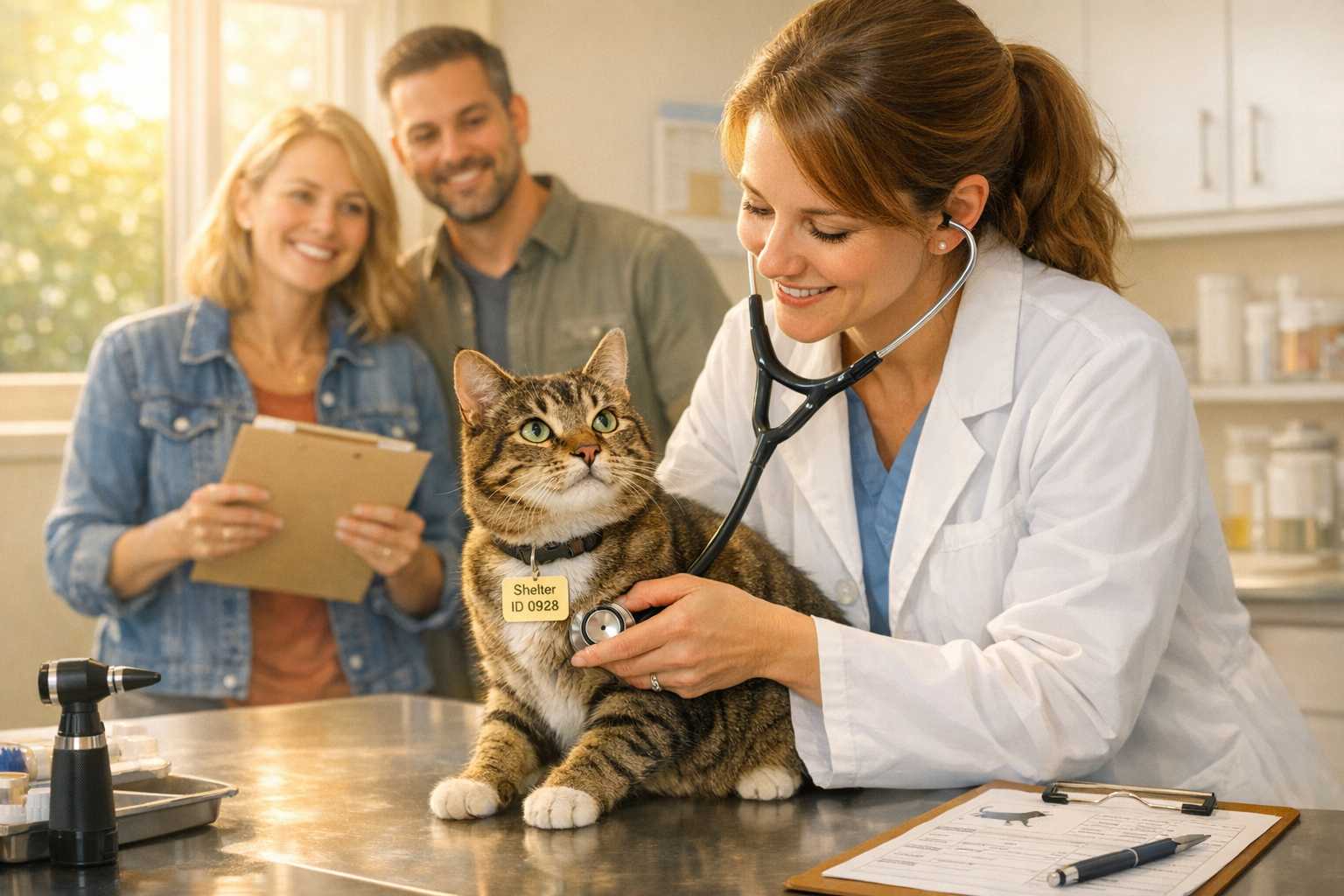
Health Assessment for Adoptive Rescue Cats: An Essential Guide to Pre-Adoption Health Assessments
Adopting a rescue cat is a profoundly rewarding journey that injects unparalleled joy and companionship into your life. These adorable friends, despite having endured challenging beginnings, deserve loving homes. However, appropriate health screening is a prerequisite before giving a rescue cat their forever home.
Consider this as equipping your soon-to-be pet with a healthy start in their new life. Here’s a comprehensive guide on what you need to know about health assessments for rescue cats.
The Importance of Health Screening for Rescue Cats
Rescue cats, often with little or no known history, come from varied backgrounds. Some may have been homeless, victims of neglect, or abandoned. Most are received at shelters without any medical history.
Health assessments not only take care of the adopter but also assist in identifying early health concerns in the rescue cat. This can help cut down on future expenses and most importantly, guarantees appropriate health care for your new friend.
Reputable shelters conduct basic health evaluations. However, having an understanding of this process enables you make well-informed decisions and whether further screening is required.
Necessary Components of a Physical Examination
A comprehensive physical examination is fundamental in any health check, during which various body systems are assessed.
Evaluation of General Appearance
Observing the overall state of the rescue cat is the first step. Signs indicative of malnutrition or stress are noted. Body weight and muscle condition are crucial as many rescue cats are either overweight or underweight.
Alert, radiant eyes are indicative of good health, the coat should appear relatively clean and intact, while noticeable injuries or skin issues are promptly addressed.
Evaluation of Eyes, Ears, and Mouth
An eye examination can reveal a number of health conditions. Symptoms such as discharge, cloudiness, or irritation might hint at infections. Shelter environments sometimes contribute to the development of upper respiratory issues in cats.
Checking the ears helps detect any mites, infections, or injuries. Ideally, clean, pink ear canals are a good sign. Dark discharge or strong odors can suggest issues requiring medical attention.
Dental health plays a significant role in the overall health of a cat. Many rescue cats suffer from dental diseases. Conditions such as broken teeth, excessive tartar, or inflamed gums require immediate attention.
Assessment of Heart and Lung Function
Evaluating the heart and lungs provides vital insights. Heart murmurs aren't uncommon in cats; some are harmless while others highlight severe conditions requiring constant monitoring.
Respiratory issues might stem from upper respiratory infections commonly found in cats in shelter environments. Most respond favorably to early treatment.
Essential Laboratory Testing
Blood tests and other lab work give detailed health information, including problems that aren't visible during a regular physical examination.
Complete Blood Count Analysis
A complete blood count (CBC) evaluates different types of blood cells, and can reveal conditions such as anemia, infections, or other blood disorders. Some rescue cats exhibit mild anemia due to poor nutrition or parasites.
White blood cell counts indicate the performance of the immune system. Elevated counts may indicate infections, while low counts could suggest immune suppression.
Blood Chemistry Panel Results
A blood chemistry panel assesses organ function. Testing kidney and liver values is crucial as some cats might have kidney disease due to dehydration or a poor diet.
Blood sugar levels are also important since diabetes can affect rescue cats, particularly the older or overweight ones.
Examination for Intestinal Parasites
Rescue cats commonly have intestinal parasites like roundworms, hookworms, and tapeworms. Most of these result in digestive issues and poor nutrient absorption.
Analyzing fresh fecal samples allows for microscopic detection of these parasites. Usually, this condition can be managed effectively with proper deworming medications.
Screening for Infectious Diseases
A few severe infectious diseases can affect cats. Testing can help safeguard your new pet and any existing pets at home.
Test for Feline Leukemia Virus
The Feline Leukemia Virus (FeLV) negatively impacts the immune system and is transmitted through close contact between cats. Cats infected with this virus have a higher risk of contracting infections and cancers.
An uncomplicated blood test can detect the FeLV virus. Positive cats require special care but can live fulfilling lives. They are, however, expected to stay indoors and avoid contact with other cats.
Screening for Feline Immunodeficiency Virus
The Feline Immunodeficiency Virus (FIV) is another virus that weakens the immune system and is primarily transmitted via bite wounds from infected cats. Stray cats are at a higher risk.
A test for FIV can be run using the same blood sample for FeLV testing. Cats with positive results can still live healthy, normal lives with appropriate care. Keeping them indoors reduces the risk of transmitting the virus to others.
Evaluation of Upper Respiratory Infections
Upper respiratory infections are common in shelter cats due to the stress and crowded conditions that accelerate spread. Indicators include a runny nose, eye discharge, and sneezing.
Most cases can be managed with supportive care, with severe infections possibly needing antibiotics. Some cats may become chronic carriers but can still lead healthy lives.
Vaccination Requirements and Guidelines
Appropriately timed vaccinations can protect cats from severe diseases. Rescue cats might come with incomplete or unknown vaccination records.
Core Vaccines for All Cats
Core vaccines prevent life-threatening diseases such as panleukopenia, rhinotracheitis, and calicivirus. Every cat should receive these vaccines, regardless of their circumstances.
Most shelters administer the initial core vaccines. However, a complete set requires multiple boosters. Your vet will recommend when these should be administered.
Lifestyle-Based Additional Vaccines
Additional vaccines will depend on the lifestyle of your cat. Indoor-only cats require fewer vaccines than outdoor cats. Rabies vaccination is legally mandated in most regions.
Your vet will assess local disease risks before recommending appropriate vaccines. Feline leukemia vaccines are beneficial for cats with outdoor access or in a multi-cat household.
Health Considerations Based on Age
Different age groups face distinct health challenges. Accordingly, screening protocols may be adjusted.
Kitten Health Screening Requirements
Kittens need frequent vet visits as their immune systems are still developing. Multiple doses of vaccines and deworming treatments are required.
Growth monitoring is crucial for proper development, and nutritional counseling can help establish healthy eating habits. Usually, kittens are spayed or neutered around six months of age.
Adult Cat Health Priorities
Adult cats generally require less intensive monitoring. However, unclear histories can complicate health assessments. Older injuries or chronic conditions might not be immediately apparent.
Dental health becomes more critical for adult cats; many require professional cleanings or even tooth extractions. Weight management often requires attention as well.
Special Requirements for Senior Cats
Senior cats - those over seven years in age - are more susceptible to age-related health issues. Conditions like kidney disease, arthritis, and diabetes become more common. Extensive screening can help detect these conditions early.
Monitoring blood pressure may be recommended while a thyroid analysis can reveal hyperthyroidism. Regular dental care can prevent painful oral issues.
Behavioral Health Analysis
Mental health is as critical as physical well-being. Many rescue cats exhibit trauma or stress-related behavior.
Signs of Stress and Anxiety
Shelter environments can cause significant stress for cats. Some might constantly hide, while others could become aggressive or overly vocal. These behaviors usually improve in a stable home environment.
Recognizing your cat's stress indicators will assist with planning the transition. Slow introductions to new environments are more effective than sudden changes.
Socialization Evaluation
Previous socialization experiences affect behavioral patterns. Some rescue cats are highly sociable, while others prefer less human interaction. Both types can make excellent pets.
Understanding your cat's social preferences can help create a suitable home environment. Some cats thrive with children and other pets, while others may prefer a quieter household.
Developing a Pre-Adoption Health Checklist
Being prepared helps facilitate the adoption process. Having a checklist will ensure that nothing significant is overlooked.
Questions for Shelter Staff
Inquire about any known medical history. What treatments has your prospective pet received? Are there any ongoing health concerns? When were the last vaccines administered?
Ask for copies of all available medical records. These will assist your vet in providing continuous care and documenting any chronic conditions requiring management.
Planning for Post-Adoption Care
It would be wise to plan your first vet visit within a week after the adoption. This will allow for health monitoring during the transition period and establish a relationship with your chosen vet.
Immediate follow-ups might be required for any ongoing treatments. Some cats might need further testing after stress levels drop. Your vet will suggest the right schedule.
Understanding Adoption Policies and Health Guarantees
Adoption policies and health guarantees vary across organizations
Typical Shelter Health Policies
Many shelters provide short-term health protection covering serious conditions that might not be evident during the initial assessment. Do read the policy details carefully before adopting.
Some organizations offer complimentary or reduced-cost follow-up care including booster vaccinations or spaying/neutering services. Make sure to utilize these beneficial programs when available.
Resources for Post-Adoption Support
Reliable rescue organizations extend ongoing support after the adoption. They provide answers to behavior or health concerns and offer training resources or consultations.
Keep in touch with your adoption organization. They are invested in your pet's success in their new home. Do not hesitate to contact them if issues arise.
Setting Up Your Home for a Healthy Transition
A well-prepared home environment supports the health and adaptation of your new cat.
Essential Supplies Checklist
Ensure you have plenty of high-quality cat food before bringing your pet home. Avoid sudden diet changes by asking what brand of food the shelter uses. Gradual dietary transitions can prevent digestive disruptions.
Set up a serene space with essential items such as food, water, a litter box, and comfortable bedding. This safe haven will alleviate stress during the initial days.
Considerations for Quarantine
If you have other cats at home, it would be best to quarantine your adopted cat initially. This prevents the spread of diseases and allows for gradual introductions. A two-week period is typically sufficient for healthy cats.
During the quarantine, observe eating, drinking, and bathroom habits. These habits can help you assess the health status and adjustment of your cat. Consult your vet if any concerns arise.
Noteworthy Red Flags During Screening
Being aware of potential warning signs can assist you in making informed decisions regarding the readiness of a cat for adoption.
Serious Health Concerns
Immediate attention is necessary for certain conditions before adoption can be considered. Conditions such as severe respiratory issues, open wounds or obvious injuries need to be addressed urgently.
Extreme cases of frail or lethargic cats might require medical stabilization before being taken home. This doesn’t indicate that they would not be excellent pets; they just require initial medical care.
Behavioral Red Flags
Extreme aggression or fear could hint at trauma requiring professional assistance. Although many cats adjust favorably, some might need specialized behavior modification. Assess your capability to provide the necessary support.
However, minor behavioral issues should not deter you from adopting. Most rescued cats show remarkable improvements in stable home environments. Patience and understanding can work wonders.
Making the Final Decision
After health screening, you will possess the essential information needed to make an informed decision.
Balancing the Health Factors
No cat remains perfectly healthy all the time, and minor health issues should not deter you from adopting, as long as you are prepared for the potential costs. Many conditions are easily manageable with the right care.
Consider your experience with pet care. Novice cat owners might prefer healthy young adults, while experienced pet parents often adopt special-needs cats.
Long-Term Commitment Considerations
Remember, adopting a pet is a long-term commitment as cats can live 15-20 years or more. You should budget for regular veterinary care, including emergencies. You might want to consider investing in pet insurance.
Think about potential lifestyle changes that might affect pet care. Changes such as moving, a new job, or adding to the family all impact pet ownership. Choose a cat whose needs can be accommodated by your long-term circumstances.
Conclusion: Embarking on Your Shared Journey
Health assessments for adoptive rescue cats safeguard all parties involved in the adoption process. It guarantees that the cats receive the appropriate care, and potential adopters are well informed about their commitment.
Remember, perfect health is not definitive of a perfect pet. Numerous cats with minor health issues can lead long, happy lives. The key is understanding and preparing for what you’re committing to.
By enduring challenging circumstances and exhibiting resilience, your rescue cat has proven their mettle. Paired with proper health screening and the comfort of your loving care, they are ready to thrive in their forever home.
Take your time to select the right cat for your family. Be inquisitive during the screening process. Trust your intuition about which cat will suit your household best.
The bond between rescue cats and their adopters is truly extraordinary. Rescue cats appear to grasp the notion that they've been granted a second chance. With proper health screening as the basis, you're both prepared to embark on this remarkable journey together.