Metabolic Health: Cat Nutrition and Exercise Guide
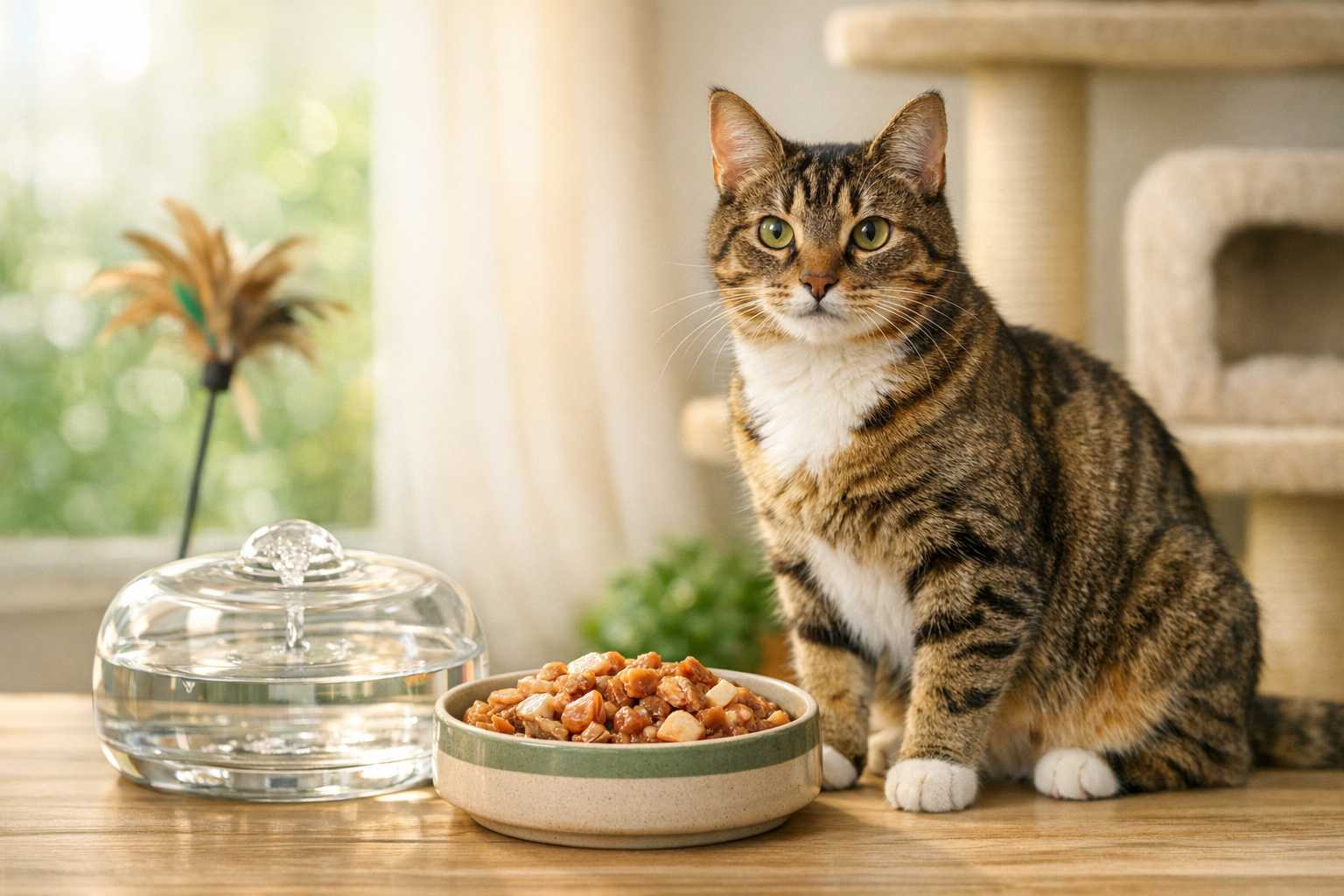
A Guide to Cat Nutrition and Exercise for Optimum Metabolic Health
Your cat's metabolic health can influence everything from their vigor to their longevity. Similar to humans, cats require a balanced combination of nutrition and exercise to flourish.
Let's delve into how you can maintain your kitty's optimal health.
Deciphering Your Cat's Metabolism
Unlike humans, cats have a distinct metabolism as they are obligate carnivores and need meat to survive.
They absorb nutrients uniquely, requiring specific amino acids such as taurine which come solely from animal protein.
Age is another significant factor impacting metabolism. Kittens tend to burn calories rapidly while older cats function at a slower metabolic rate.
House cats generally have slower metabolisms compared to outdoor cats, which commonly results in weight issues in indoor felines.
Recognising Unhealthy Metabolic Signs
Monitor your cat for these signs of poor metabolic health:
- Unexpected weight gain or loss
- Limited energy
- Deteriorating fur condition
- Habitual sickness
- Appetite changes
- Restricted agility
These symptoms often signify metabolic problems. Detecting these issues early ensures simpler treatment.
Vital Nutrition for Optimal Metabolic Health
Protein Considerations
Cats primarily rely on high-quality protein for energy. Ensure that food containing actual meat is their primary source of nutrition.
Adults cats need a diet that contains at least 26% protein. This requirement may increase for active cats.
Excellent sources of protein include fish, chicken, and turkey. Avoid food high in plant proteins.
Essential Fats
Fats provide vital fatty acids and energy. Both omega-3 and omega-6 fatty acids facilitate metabolism.
They also help maintain a glossy coat and healthy skin for your cat. Supplements like fish oil can be beneficial.
Aim for cat food that contains between 9-15% of fat for most adult cats.
Carbohydrate Counterpart
Cats have less capability to digest carbohydrates. Wild cats derive less than 5% of calories from carbs.
Opt for foods with minimal grains and fillers. Sweet potatoes and peas are healthier options compared to corn or wheat.
High-carb diets can contribute to obesity and diabetes in cats.
The Importance of Hydration
Sufficient hydration is significant to all metabolic processes. Cats by nature have a weak thirst drive.
Wet food can help enhance water intake. Ensure that fresh water is always accessible.
Consider using a water fountain to prompt drinking, as many cats have a preference for flowing water.
Improved Metabolic Health through Feeding Strategies
Portion Control
Overfeeding is a quick route to metabolic issues. Use precise measurements rather than estimations.
Stick to the feeding guidelines stated on cat food packages. Modify based on your cat's activity level and physical condition.
Most indoor adult cats require a daily caloric intake of 200-300. Active outdoor cats may require more.
Scheduled Feeding
Consistent feeding times assist in regulating metabolism. It's advised to feed adult cats 2-3 times per day.
Avoid unrestricted feeding of dry kibble as it could lead to overconsumption and weight gain.
A constant feeding routine helps your cat's body prepare for meals, improving digestion and nutrient absorption.
Healthy Treats
Treats should contribute to less than 10% of daily calories. Opt for healthier alternatives such as freeze-dried meat.
Steer clear of sugary or artificially sourced treats as these can disrupt metabolic balance.
Treats should be used as rewards for training and to enhance bonding, rather than meal substitutes.
The Importance of Exercise
Exercise is often forgotten by many cat owners, yet remains critical for maintaining metabolic health.
Physical activity, especially in house cats, is vital. Lack of it can lead to unhealthy sedentary behaviours and excess weight.
Exercise is advantageous for regulating blood sugar, maintaining muscle mass, and providing mental stimulation.
Interactive Playtimes
Arrange play sessions lasting 10-15 minutes twice daily using toys that provoke their hunting instincts.
Toys such as laser pointers and feather wands can be effective. Conclude laser pointer sessions with a tangible toy for your cat to capture.
Remember to alternate toys to keep your cat's interest since cats tend to lose interest in repeated toys.
Enriching Your Cat’s Environment
Create vertical platforms with cat trees and shelves. Cats love climbing and resting in high places.
Introduce puzzle feeders where food is hidden, stimulating natural hunting behaviour.
Provide several scratching posts throughout your home. Scratching serves as exercise and a stress reliever.
Outdoor Opportunities
Consider creating a catio or permitted outdoor time. Exposure to fresh air and natural stimuli increases activity.
Walking harnesses can be effective for some cats. Start training indoors and be patient.
Providing window perches offers entertainment and exposure to vitamin D.
Keeping Track of Weight
Monitoring Your Cat's Body Condition
Learn how to examine your cat's body condition. You should be able to feel but not see ribs.
When viewed from above, the waist should be visible and the belly should not sag excessively.
Monthly weigh-ins using a consistent scale and time during the day can help track progress.
Safe Weight Loss Guidelines
Avoid crash diets for cats as they can lead to liver problems.
Aim for a weekly weight loss of 1-2% body weight, which might equate to a loss of 2-4 ounces per week for an average cat.
Consult with a veterinarian to develop a safe weight loss plan tailored to your cat.
Keeping at a Healthy Weight
Preventive measures are easier than treatment.
Instilling healthy habits from a young age can help maintain regular exercise and careful monitoring of food intake, and prevent the gradual increase of portion sizes over time.
Specific Aspects Depending on Life Stage
Kittens
Kittens tend to have faster metabolisms and higher energy demands due to growth.
Feeding kitten-specific food until they're 12 months old, which tends to have higher protein and fat content, is advisable.
Small, frequent meals are best for kittens due to their small stomachs yet high energy demands.
Adult Cats
Adult cats (1-7 years) require balanced maintenance diets. High-quality protein with moderate fat is optimal.
This is typically when cats become less active, so careful monitoring of weight and portion control is crucial.
Regular veterinary checkups can help early detection of metabolic issues.
Senior Cats
Cats over 7 years may experience slower metabolisms, therefore requiring fewer calories but more frequent meals.
Softer foods like wet food could be necessary if dental issues arise.
Increased protein may be required to maintain muscle mass in some senior cats. Speak with a vet before making any dietary changes.
Prevalent Metabolic Health Issues
Obesity
Over 50% of domestic cats suffer from obesity which can lead to diabetes, arthritis and shorter lifespans.
Preventing obesity involves correct portion control and regular exercise.
To treat obesity, consistency and patience are required. Also, working with your vet to create a safe weight loss plan is advisable.
Diabetes
Feline diabetes is often associated with obesity and a poor diet. Symptoms can include increased thirst, urination, and appetite.
High-protein, low-carb diets can assist in managing diabetes, and with correct management, some cats may achieve remission.
Regular blood glucose monitoring may be necessary.
Hyperthyroidism
This condition can result in rapid weight loss despite an increased appetite and it usually affects senior cats.
Cats affected by this condition may become hyperactive and unusually vocal. Treatment options span medication, diet, or radioiodine therapy.
Early detection can significantly aid treatment.
Building a Sustainable Routine
Start Gradually
Don't try to simultaneously implement all changes. Start with one or two alterations, like measured meals or daily play sessions.
Remember, consistency is more impactful than striving for perfection. Small, daily efforts accumulate over time.
Monitor Progress
Maintain a simple record of meals, treats, and activity. Photos often capture progress more effectively than scales.
Note energy level changes and behaviour. These often improve before noticeable weight changes.
Celebrate small wins along the journey.
Remain Adaptable
Each cat is unique and may respond differently to changes in routine.
Be open to refining your approach based on your cat's response. Some cats may need more exercise, while others require stricter portion control.
Your vet can help to fine-tune your approach.
Knowing When to Seek Professional Help
If you observe any of the following in your cat, consult your vet:
- Rapid changes in weight
- Appetite reduction over 24 hours
- Unusual laziness or behavioural changes
- Breathing difficulty during minimal activity
- Increased thirst or urination
Guidance from professionals ensures safe and effective metabolic health management.
In Conclusion
Your cat's metabolic health contributes significantly to its overall wellbeing. A good balance of nutrition and regular exercise lays the basis of wellness.
Begin with manageable changes focusing on high-quality protein, portion control, and regular play sessions.
It's important to remember that each cat is unique, so consult your vet to create the optimum plan for your cat.
With perseverance and regularity, you can assist your cat in achieving its optimal metabolic health, which in turn can lead to longer, happier lives for both of you.
Your cat relies on you for its health and happiness. By adhering to these guidelines, you give them the best possible foundation for a healthy life.