Rescue Cat Vaccination Schedule: First Year Health Guide
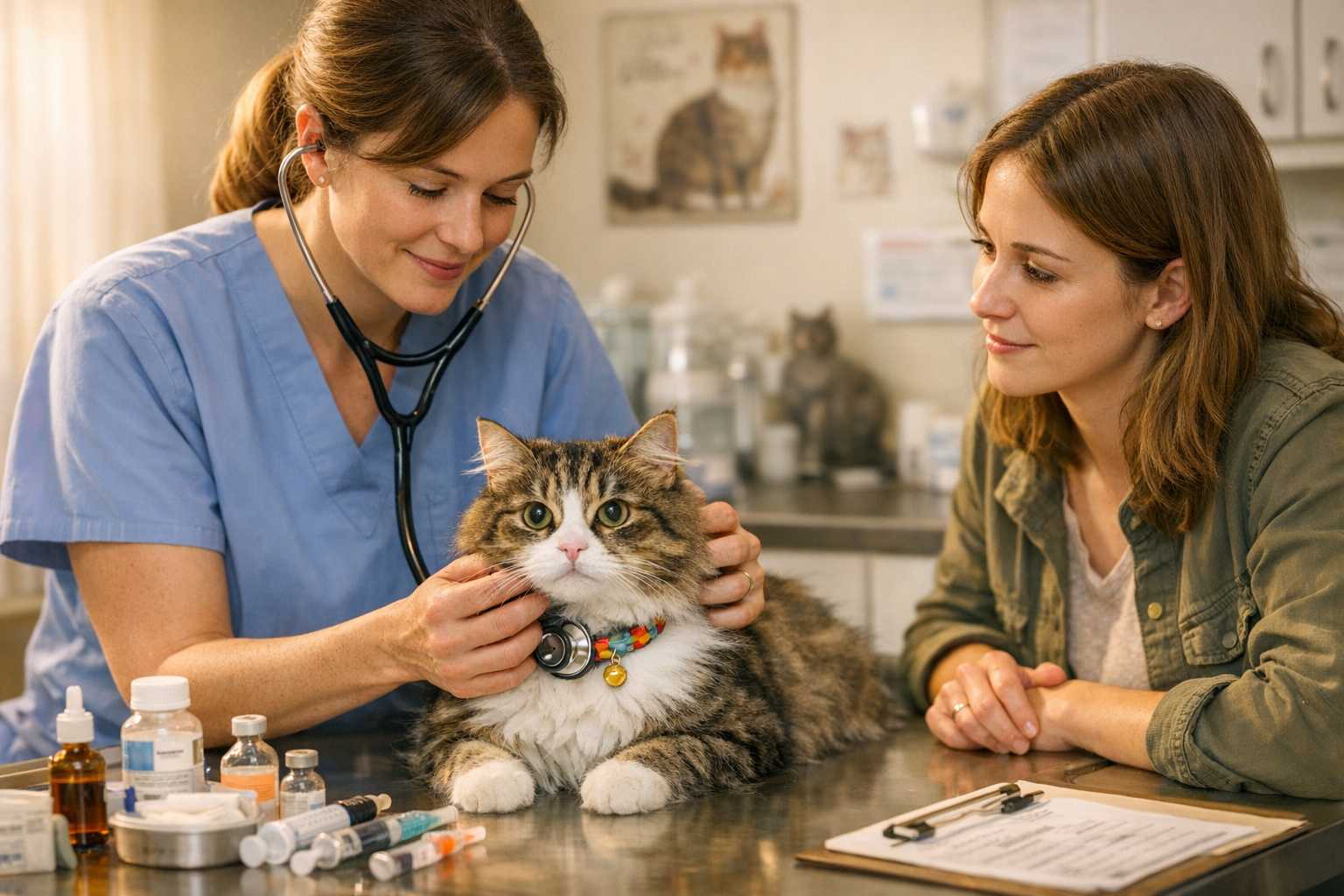
The First Year Health Guide for Your Rescue Cat: Understanding the Vaccination Schedule
Adopting a rescue cat is a deeply fulfilling experience. To help your new fluffy companion live a healthy and happy life in their forever home, it’s essential to follow a proper vaccination schedule.
Being a new cat owner, navigating through vaccination schedules may seem daunting but fret not - we're here to help you understand it all and ensure your rescued cat's health journey starts right.
Deciphering the Vaccination Needs of Your Rescue Cat
Medical histories of rescue cats are usually unknown, making it all the more critical to adhere to a thorough vaccination routine. They might have been incompletely or inadequately vaccinated in the past.
Your vet will evaluate your cat's vaccination needs based on factors like age, health status, and lifestyle. Depending upon their origin and background, some cats might need additional protection.
For instance, indoor cats and outdoor cats require different vaccinations. Your vet will structure a personalized vaccination schedule based on these needs. Trust in their expertise to guide you through this process.
Essential Vaccines for Your New Companion
Core Vaccines
Core vaccines are indispensable as they protect against severe diseases. All cats should receive these, irrespective of their lifestyle.
FVRCP (Feline Viral Rhinotracheitis, Calicivirus and Panleukopenia) Vaccine - Shields against three grave viral infections. - Also known as the “distemper” vaccine. - Administered as a combination shot. - Crucial for all cats.
Rabies Vaccine - A legal requirement in most places. - Protects against the lethal rabies virus. - Typically given once a year or every three years. - Vital for protecting public health.
Non-Core Vaccines
Your vet might recommend additional vaccines considering specific risk factors.
Feline Leukemia (FeLV) Vaccine - Recommended for outdoor cats. - Safeguards against a cancer-causing virus. - Suggested for social cats. - Juvenile cats are most susceptible.
Feline Immunodeficiency Virus (FIV) Vaccine - Could be essential for outdoor cats. - Protects against imminent damage to the immune system. - Discuss its requirement with your vet. - A risk assessment is crucial.
First Year Vaccination Timeline for Your Rescue Cat
For Kittens Under 16 Weeks
6-8 Weeks - First FVRCP vaccine. - Initial health check-up. - Deworming treatment. - Nutritional assessment.
10-12 Weeks - Second FVRCP vaccine. - FeLV vaccine if recommended. - Continuation of the deworming protocol. - Behavioral evaluation.
14-16 Weeks - Third FVRCP vaccine. - Rabies vaccine. - Second FeLV vaccine if the schedule was commenced. - Spaying or neutering discussion.
For Adult Cats (Over 16 Weeks)
Initial Visit - Comprehensive health check-up. - First FVRCP vaccine. - Rabies vaccine. - Blood tests if required.
3-4 Weeks Later - Second FVRCP vaccine. - FeLV vaccine if recommended. - Addressing any health issues. - A discussion about lifestyle.
1 Year Later - Yearly boosters. - Complete wellness examination. - Updating vaccination records. - Modifying the schedule if necessary.
Preparing Your Cat for Vaccination Day
Before the Appointment
Accustom your cat to their carrier. Place familiar blankets or toys to comfort them. Maintain a calm journey to the vet.
Prepare a list of questions for your vet. Note down any concerns you might forget. These can include questions about diet, behavior, etc.
Get all prior medical records, if available. Paperwork from the shelter can be significant. Having prior vaccination records is particularly beneficial.
Expectations from the Visit
Visits typically last between 30-45 minutes. Your vet will conduct a thorough examination followed by quick and almost painless vaccinations.
Most cats handle vaccinations well; a few might feel drowsy afterward, which is normal.
Your vet will explain the vaccination plan and provide written instructions. Retain these records safely.
Post-Vaccination Care for Your Cat
Possible Side Effects
It's normal for cats to feel mildly fatigued for 24-48 hours. Your cat might also eat less during this period, but these symptoms typically subside soon.
Minor swellings at injection sites might develop but generally disappear within a few days. Monitor the area for any changes.
In rare cases, cats can exhibit allergic reactions. Look out for severe swelling or breathing difficulties. Contact your vet immediately in case of such an event.
Creating a Soothing Recovery Environment
Arrange a calm and comfortable environment. Initially, your cat might prefer to hide, which is normal.
Ensure there's always fresh water. If your cat seems uninterested in food, offer their favorite treats. Gentle encouragement can work wonders.
Limit their activity on their first day post-vaccination. Avoid introducing new individuals or pets immediately. Allow your cat to rest peacefully.
Establishing Long-Term Health Practices
Regular Vet Visits
Annual check-ups are essential for continuous health monitoring. Your vet will evaluate the effectiveness of the vaccines and modify the schedule if needed.
Blood tests can help in early detection of any potential ailments. Older cats might require more frequent examinations. Preventive care is always better than curative treatment.
As your cats age, dental care becomes essential. Regular cleanings can prevent dental afflictions. Discuss oral health care with your vet.
Maintenance of Vaccination Records
Maintain a well-organized record of all vaccinations. Many vets provide reminder cards, or you can also use digital records.
Update the records post every visit. Mention any reactions or concerns. This vigilance aids in future care.
Some areas necessitate proof of rabies vaccination. Ensure you keep the certificates handy. Boarding facilities often ask for such documents.
Peculiarities with Rescue Cats
Unestablished Health History
Rescue cats might have been exposed to various diseases necessitating extra precautions. Your vet will assess each risk factor diligently.
Some cats might need an initial quarantine period. This protects other pets in your home. Adhere to your vet's recommendations earnestly.
Blood tests can determine previous exposures, providing crucial information for vaccine decisions. An initial test might be recommended.
Stress and the Immune System
Rescue cats often go through significant stress that can impact their immune system. Gentle handling becomes a must in such cases.
Allow for an adjustment period before starting the vaccination routine. For highly stressed cats, postponing the vaccination schedule might be necessary. Your vet will select the optimal timing.
Proper nutrition aids in the recovery of the immune system. High-quality cat food can make a substantial difference. Discuss dietary recommendations with your vet.
Financial Planning and Vaccine Costs
Budgeting for First-Year Vaccinations
Initial vaccination costs differ based on location, ranging between $75-200 for basic vaccines. Additional tests might incur further expenses.
Many clinics offer package deals for kittens that could potentially save costs. Ask your vet about flexible payment plans if needed.
Some local communities organize low-cost vaccination clinics. Make sure they offer quality care.
Anticipating Long-Term Financial Costs
Annual booster shots cost less than the initial series, typically around $50-100 yearly. This cost-efficient measure can prevent expensive diseases in the future.
Pet insurance can assist with veterinary costs. Consider available options before any health problems arise. Some policies can cover routine vaccinations.
In emergencies, veterinary care can be costly. Vaccinations — which prevent several expensive-to-treat diseases — are essentially health insurance.
Cultivating a Positive Vet Experience
Familiarizing Your Cat with Their Carrier
Begin carrier training immediately after adopting your cat. Make the carrier a cozy space. Regularly feed treats and meals inside.
Keep the carrier open at home. Let your cat explore the carrier willingly. This familiarization can reduce stress during vet visits.
Use familiar blankets inside the carrier. Your scent provides a sense of security. Pheromone sprays are also helpful.
Building Rapport with Your Vet
Find a vet you can trust. Open and clear communication is crucial for your cat's well-being. Feel free to ask any questions.
Openly talk about your cat’s specific needs. If your cat has behavioral concerns or fears, communicate them to your vet so that they can adjust their approach accordingly.
Regular visits can make your cat more comfortable with the vet. Consistency in care is beneficial. Building a rapport takes time but pays off in the long run.
Synopsis
The vaccination schedule for your rescue cat is critical to their health. Proper protocols shield them from life-threatening diseases. Always collaborate closely with your vet throughout the process.
Each cat is unique and may require different care. Trust in your vet’s expertise and let their recommendations guide you. They also want optimal health for your furry friend.
The first year paves the way for lifelong health. Vaccines, combined with suitable nutrition and love, give your rescue cat the best start possible. Your dedication to their healthcare could mean the world to them.
Recollect that rescue cats often require some extra patience and care. The investment in their healthcare will reward you with their companionship and love for years to come. Welcome to the gratifying journey of being a cat parent!