Best Air Fresheners for Multi-Cat Homes: Odor Control Guide
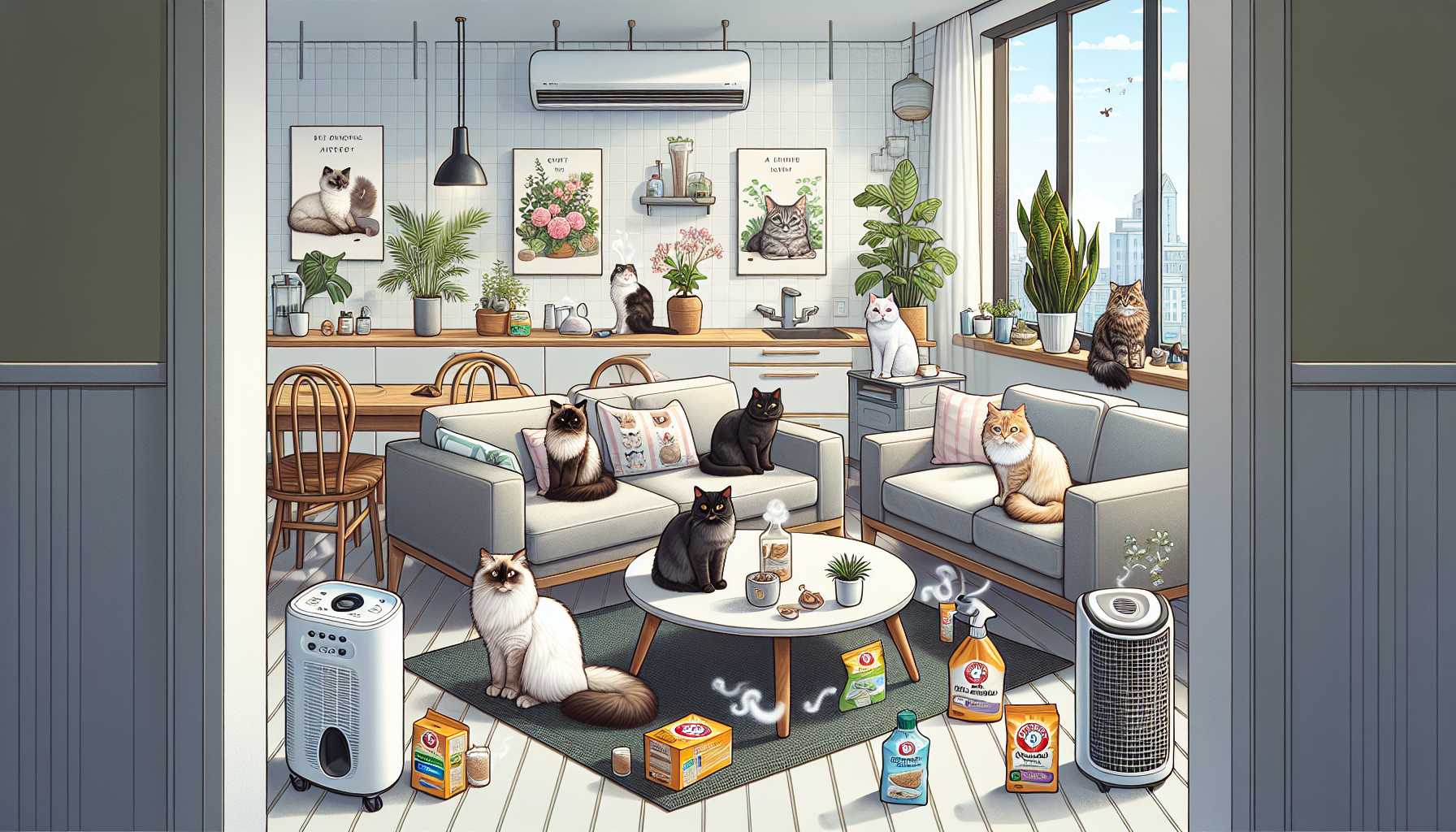
Top Air Fresheners Recommendations for Homes with Multiple Cats: A Comprehensive Guide on Odor Control
Living with multiple cats in a household certainly adds a lot of joy and companionship. However, it can be an honest struggle to combat the inevitable odors.
For those grappling with the continuous fight to keep your home's smell fresh despite the many feline occupants, you're not alone. This is a common struggle various multi-cat homes endure daily.
Thankfully, there are proven and effective solutions to this stinky problem.
The Need for Specific Odor Solutions in Multi-Cat Homes
It is imperative to understand that households with multiple cats deal with unique problems unheard of in single-cat homes. The issue can be factored down to simple math - the more the cats, the more numerous the litter boxes, the higher the chances for mishaps and thus, stronger and more pungent odors.
Cat urine contains ammonia compounds, which can escalate in potency over time. Multiply this with multiple cats, and standard air fresheners fall short in addressing the issue.
Regular air fresheners employed in households primarily work on camouflaging odors temporarily. They do not eliminate the root cause of the smell.
That's where specialized odor solutions catering to pets become vital.
Recommended Air Freshener Types for Homes with Multiple Cats
Enzymatic Air Fresheners
Similar to cleaners, enzymatic air fresheners work on a molecular level to break down the bacteria causing the foul smell. They do not merely suppress the smell; they completely eradicate it.
These air fresheners work slowly but provide perpetuating results. They are specifically effective against urine smells.
Products that are specifically designed to target pet odors are recommended. Generic enzymatic cleaners may not necessarily work against cat-specific odor compounds.
Activated Charcoal Systems
Naturally absorbing odors, activated charcoal causes no harm to the cats and is incredibly effective. It neither adds artificial fragrances nor inflames the cats' respiratory sensitivities, making it a preferred choice for many cat owners.
Charcoal bags can be strategically placed near litter boxes or in areas prone to foul smells. These bags work for months before needing to be replaced.
HEPA Air Purifiers
HEPA filter-equipped air purifiers work on eliminating odor particles from the air. They also capture dander and other allergens.
Models particularly rated for pet odors should be preferred as standard air purifiers may not effectively control strong cat smells.
For best results, these purifiers should be placed in litter box rooms and be run continuously.
Top Commercial Air Fresheners for Homes with Multiple Cats
Febreze Pet Odor Eliminator
Marketed as an animal odor-specific formulation, Febreze works on neutralizing smells rather than hiding them.
When used as directed, the spray is safe for cats and ideal for spot treatments. It can be used on carpets, furniture, and fabric surfaces. This brand is widely recommended by many veterinarians.
Nature's Miracle Just for Cats
Formulated just for cat homes, this enzymatic formula works on breaking down urine proteins that cause persisting odors. Hours after its application, the continuous clean formula is still effective.
It is available in both spray and aerosol versions, the latter being more suitable for covering large areas.
Arm & Hammer Pet Fresh Carpet Odor Eliminator
This powder formula uses baking soda to neutralize odors in carpets. It works immediately upon sprinkling before vacuuming for deep cleaning. It is safe for cats and also features enzymes for long-term odor control. Regular weekly use can prevent odor accumulation.
Natural Air Freshening Alternatives
Baking Soda Stations
Open containers filled with baking soda can be placed near litter areas. They should be replaced monthly to remain effective. Baking soda naturally absorbs acidic odors and is completely safe for cats. To add freshness, mix with cat-friendly essential oils like lavender in small quantities.
White Vinegar Solutions
White vinegar neutralizes ammonia odors naturally. For use on hard surfaces, mix equal parts water and vinegar in a spray bottle. Use on surfaces only, avoiding fabric and carpets. The vinegar smell dissipates quickly, taking the cat odors with it.
Coffee Ground Absorption
Used coffee ground absorbs odors effectively. Place dried grounds in breathable containers around your home. They should be replaced weekly for best results. This method also adds a mild coffee aroma to the surroundings.
Safety Guidelines for Homes with Multiple Cats
Avoidance of Toxic Ingredients
Air fresheners containing certain ingredients could prove toxic to cats, such as phenols or specific essential oils like tea tree, eucalyptus, and citrus oils.
Labels should be carefully checked for these ingredients. If unsure, opt for products specifically labeled as pet safe. Plug-in air fresheners continuously releasing chemicals should also be avoided as cats can be more sensitive to airborne toxins.
Proper Ventilation
Efficient airflow can prevent odor accumulation naturally. Windows should be opened when weather permits, and exhaust fans should be in use in rooms with litter boxes.
Ensure the air fresheners do not overwhelm confined spaces. Cats also need access to fresh, unscented air.
Testing of New Products
New air fresheners should always be tested in small areas first while observing any respiratory irritation in the cats.
Products should be introduced gradually, and if any product causes sneezing, coughing, or behavioral changes in the cat, it should be removed immediately. The cat's health is a priority.
Setting up an Impactful Odor Control Strategy
Using Multiple Solutions
Combine different odor control strategies for optimal results. For example, enzymatic cleaners for spot treatment and charcoal for ongoing absorption.
Apply different solutions strategically throughout your home based on need. Relying on air fresheners alone should be avoided, and proper litter box maintenance should be adhered to.
Having a Regular Cleaning Schedule
Establish a weekly cleaning schedule that also includes maintaining odor control. Consistency can prevent minor odor-related issues from becoming major problems.
Air refreshing products should be replaced or refreshed regularly based on their manufacturer's instructions. Products usually lose their effectiveness beyond their expiration.
Enzymatic cleaners could be used to deep clean problem areas monthly. This prevents odor accumulation in carpets and furniture.
Active Monitoring
The effectiveness of your chosen methods should be observed over time. Strategies that initially worked may need adjustment as the nature and intensity of odors evolve.
Ask visitors for their honest opinion about any lingering odors in your home. Often, homeowners become nose-blind to familiar smells present in the home.
Adjust your strategies according to seasonal changes. Humidity and temperature greatly affect the intensity of the odor.
Affordable Odor Control Tips
DIY Solutions That Actually Work
Mix your own enzymatic cleaner using dish soap and hydrogen peroxide. Add baking soda for extra odor-fighting power.
Procure activated charcoal from pet stores and create your own sachets. They can be a cost-efficient alternative to commercial versions.
Regular maintenance could utilize cost-effective white vinegar solutions, saving a few extra bucks.
Capitalizing on Product Value
If possible, try to purchase air fresheners in bulk. Enzymatic cleaners often come with a long shelf life.
More money should be allocated to high-impact areas such as spaces with litter boxes. Budget solutions could be used in less problematic spaces.
Maintenance of products properly could increase their lifespan. Hence, it's suggested to clean containers and replace filters regularly.
Reaching Out for Professional Assistance
In some situations, DIY solutions may not be enough to address severe odor problems. Professional carpet cleaning can effectively eliminate deep-set urine odors.
For severe issues, consider hiring pet odor specialists. They come equipped with industrial-grade equipment and specialized products.
If odors persist despite your best attempts, consider consulting with a veterinarian. Persistent odors could be signs of potential health issues.
Conclusion
Managing odors in homes with multiple cats requires the right set of products and strategies. Striking a balance between immediate odor-elimination and long-term prevention is key.
Remember, consistency is paramount. Regular maintenance can prevent minor odor issues from turning into full-scale problems.
Choose products that are safe and effective for your beloved feline family. With the correct air fresheners and techniques, you can enjoy a fresh-smelling home without compromising your cats' health and comfort.
Start with one or two solutions and incrementally build your odor control strategy over time. Not only will your nose thank you, but your guests will also appreciate your efforts too.