Winter Litter Box Solutions: Cold Weather Management Guide
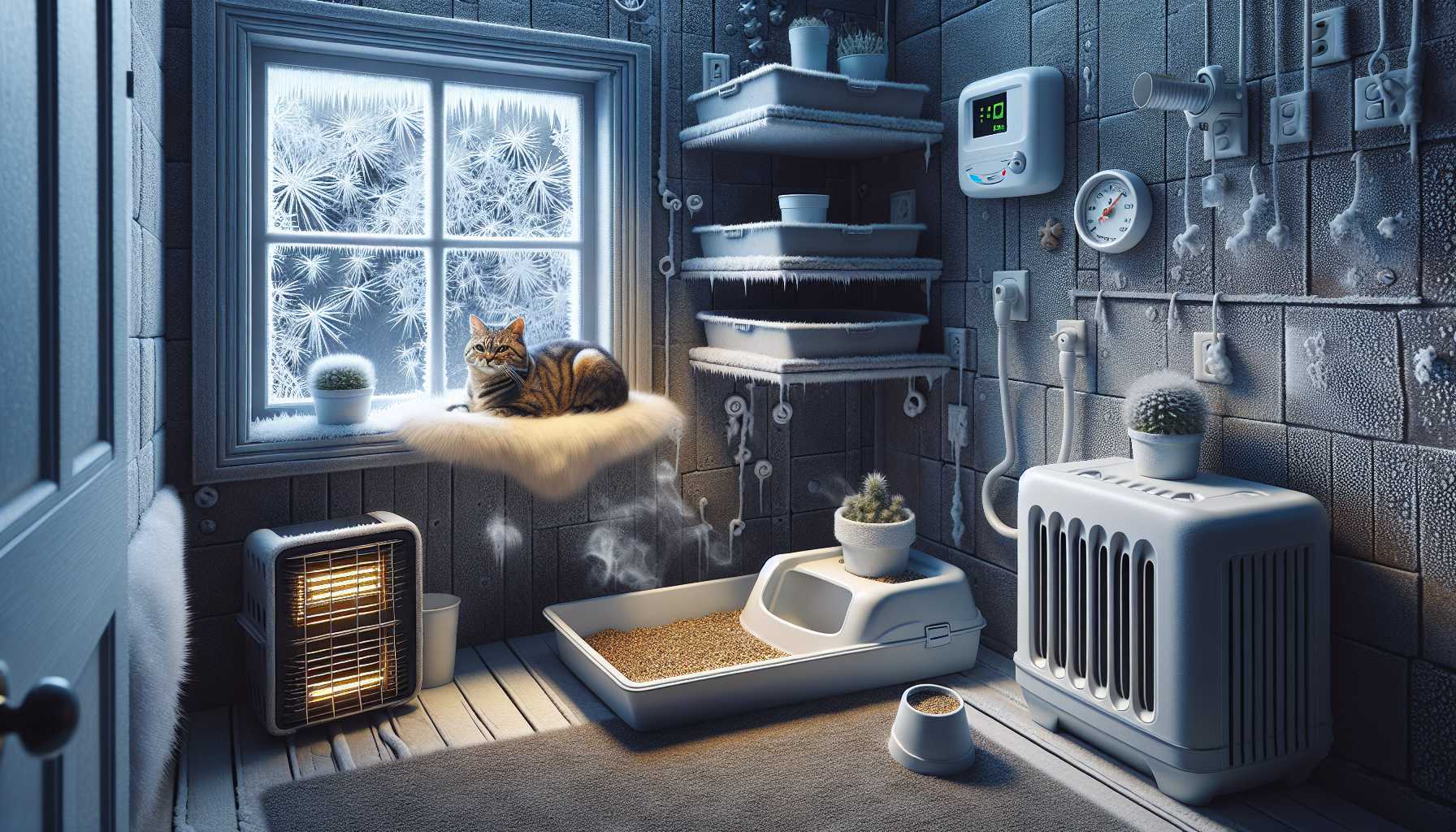
Handling Litter Boxes in Winter: Your Comprehensive Guide to Cold Weather Management
Coping with the challenges that winter presents to cat owners can be tough. The cold season can surprisingly impact your litter box setup, but don't fret - here are practical and successful solutions to help you and your feline friend.
How Winter Climates Influence Your Cat's Litter Box Maintenance
Colder air introduces changes that affect regular litter box maintenance. In unheated spaces, moisture freezes much quicker. Indoor odors seem to persist longer, and your cat might not use their typical restroom area if it feels too icy.
During the winter months, most cat owners observe their pets spending much more time inside the house. This leads to increased litter box usage and with windows being closed, odors remain trapped within your home.
Stop Litter from Quickly Freezing
Frozen litter clumps solidify into rock-hard masses that are challenging to scoop, causing an unpleasant experience for your cat and a messy situation for you.
Consider relocating the litter box away from outside walls and locations susceptible to drafts. Basements and garages can become exceptionally cold during winter. A temporary move to a more heated room may prove beneficial.
If necessary, install a small space heater near the litter box, ensuring that it's placed safely away from the box. Be sure it's out of your cat's reach, to prevent any accidental knocks or potential hazards.
During very cold phases, you might want to switch to crystal or pine-based litters, as they deal with temperature fluctuations more effectively than conventional clay litters.
Controlling Indoor Odors When it's Cold Outside
During winter, windows remain closed and there's less regular air circulation. With such a sealed environment, litter box odors can become increasingly noticeable.
Make an effort to scoop the litter box at least twice each day. Where possible, remove waste immediately. Cleaner litter contributes to happier cats and fresher homes.
Installing a petite exhaust fan in the room with the litter box could prove helpful. It ensures some air movement even when the window remains closed. Battery-powered fans are also a suitable solution for places without electrical outlets.
Consider acquiring an air purifier specifically designed to neutralize pet odors. Place it close to the litter box, but not immediately above it. HEPA filters are excellent at capturing airborne particles.
Selecting Cat Litters that Perform Well in Winter
Not all types of cat litter are equally effective in cold weather. Some may more efficiently form clumps, while others might control odors more efficiently.
Clumping clay litters function well in a heated setting. They form robust clumps that are easy to scoop. Opt for low-dust formulas to enhance indoor air quality.
Crystal litters excel at moisture absorption in cold conditions, and unlike clay-based options, they don't freeze. Most cats adjust fast to this altered texture.
Meanwhile, natural wood pellet litter expands when wet, instead of clumping. They work ideally in unheated locations like garages or basements, plus they offer a naturally fresh scent.
Corn-based litters provide decent clumping and possess natural odor-controlling properties. They are also biodegradable and safe even if your cat happens to accidently swallow small quantities.
Creating a Warm and Cozy Litter Area
Your feline friend deserves a snug bathroom spot, even in freezing weather. Simple adjustments can considerably enhance their comfort level.
Position a small rug or mat beneath the litter box to insulate it from cold floors. Choose materials that are easily washable for effortless cleaning.
Near the litter box, install a night light. Cats generally prefer well-illuminated areas for their toileting needs. For locations without outlets, solar-powered alternatives work well.
Refrain from placing the litter box near heating vents because direct heat can dry out the litter swiftly and cause uncomfortable temperature fluctuations.
If possible, try to maintain a consistent room temperature since sudden changes can stress cats and impact their bathroom routines.
Addressing Static Electricity Concerns
In winter, dry air often leads to static electricity issues. Litter tends to stick to both the box walls and the scoop, and in some cases, your cat may even experience minor shocks.
Adding a humidifier in rooms containing litter boxes can help. Proper humidity levels significantly diminish static buildup - aiming for a humidity level between 40-50%, if possible.
Spraying the inside of a clean litter box with an anti-static spray can help. Let it dry thoroughly before adding fresh litter, to establish a protective barrier.
Consider using metal scoops instead of plastic ones. Metal conducts electricity better, reducing the risk of static shocks - stainless steel scoops are particularly effective.
Each week, wipe down the litter box using dryer sheets, which not only prevent static buildup but also impart a fresh scent. However, make sure to rinse thoroughly afterward.
Ensuring Adequate Ventilation
Proper air circulation is key to preventing both moisture build-up and odor issues, especially during the winter when homes are sealed tight.
If outdoor temperatures permit, slightly opening a window can help. Even the slightest amount of fresh air can significantly help. Just ensure to close them during intense cold periods.
Fitting a small ceiling fan in the litter room and leaving it on low speed can create gentle air movement without creating drafts. You can reverse the direction depending on the season.
Try to keep interior doors open whenever possible to allow natural air circulation between rooms. Your cat will also appreciate the easy access to their litter box.
Using moisture-absorbing products like DampRid in littering areas helps eliminate excess humidity that can lead to odors and freezing litter.
Winter Cleaning and Maintenance Advice
Cold weather impacts the way you clean and maintain litter boxes, and you might need to modify your regular routine for optimum results.
When washing the litter box, use warm water as cold water is less effective at dissolving residues. Ensure you dry the boxes thoroughly before replacing the litter.
With your cat spending more time indoors in the winter, litter boxes see heavier usage, so clean them more regularly than usual. Instituting a weekly deep cleaning session can help prevent substantial buildup.
Watch out for cracks in plastic boxes especially if they're in cold environments, since temperature fluctuations can lead to expansion and contraction. If a litter box is damaged, replace it as soon as possible.
Always store extra litter in heated areas since frozen litter bags complicate the pouring and accurate measurement process. Room temperature is ideal.
Emergency Cold Weather Foil Plans
Severe conditions can throw off your regular litter box routine. Having contingency plans in place ensures your cat remains comfortable even in emergencies.
Ensure you have extra litter supplies stored indoors. Power outages and snow-blocked roads can make shopping challenging, so it's wise to stock up before storms arrive.
Prepare alternative locations for the litter box if your usual spot becomes unbearable due to the cold. In such scenarios, temporary setups will suffice.
For emergencies, disposable litter boxes are worth considering. They are lightweight and don't need cleaning, making them an ideal solution during power outage situations.
Remember to be mindful of local stores that remain open during bad weather. When it comes to pet supply emergencies, convenience isn't always an option.
Final Thoughts
Winter needn't be synonymous with litter box troubles. With the practical solutions outlined above, both you and your cat can remain comfortable throughout the cold season.
Begin implementing these changes before winter strikes in full force. Preventive action invariably works better than last-minute fixes. Your cat will appreciate your dedication to their comfort.
Nonetheless, bear in mind that all cats are different and what works smoothly for one might require tweaking for another. Pay attention to your pet's preferences, and adjust accordingly.
Stay toasty and ensure that those litter boxes continue to function flawlessly, even on the coldest winter days.