Stainless Steel Bowls and Cat Acne: Prevention and Hygiene Guide
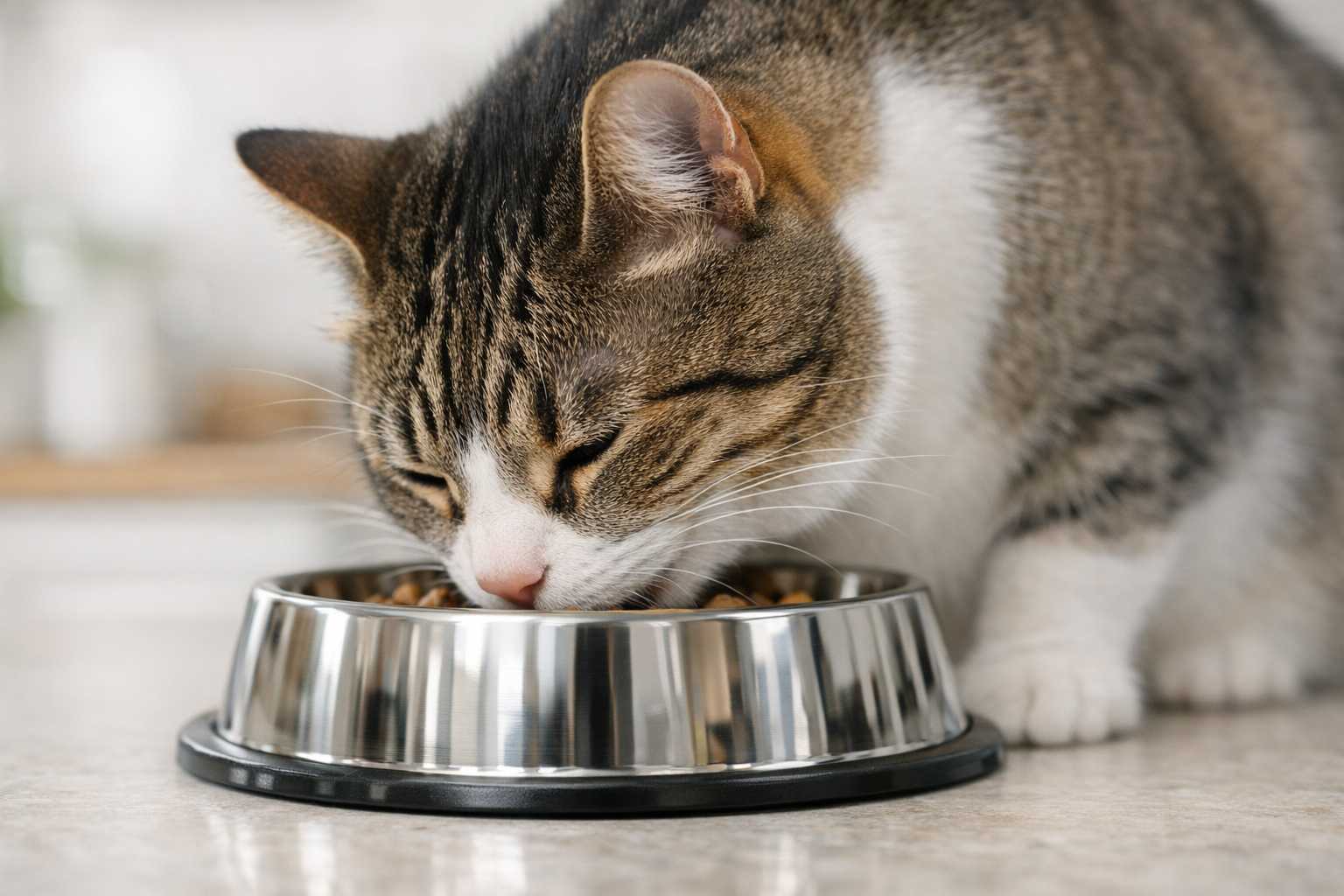
Stainless Steel Bowls and Cat Acne: A Practical Guide to Prevention and Hygiene
SEO Slug: stainless-steel-bowls-cat-acne-prevention-hygiene-guide
Focus Keyphrase: stainless steel bowls cat acne
Meta Description: Learn how stainless steel bowls may help reduce cat acne risk. Discover simple cleaning habits, bowl tips, and practical hygiene advice to help keep your cat’s chin healthy.
Has your cat developed small black specks on its chin seemingly out of nowhere? You are definitely not the only one. Feline acne is fairly common, and in some cases, your cat’s food or water bowl may be part of the problem.
The good news is that cat acne is often manageable, and a few simple changes can make a real difference.
What Is Cat Acne?
Cat acne is a skin condition that usually appears on the chin and, sometimes, the lower lip. It often starts as tiny black dots that look like dirt or blackheads. In more noticeable cases, it can progress to redness, swelling, crusting, or even painful infection.
While mild acne may seem minor, it is not always just cosmetic. Some cats become itchy, irritated, or sensitive around the chin. If the area becomes inflamed or infected, it can be quite uncomfortable.
Fortunately, most cases improve with better hygiene, closer monitoring, and veterinary care when needed.
What Causes Cat Acne?
There is no single proven cause of feline acne. Instead, it is usually linked to a mix of contributing factors. Common possibilities include:
- buildup of oil and dead skin around the hair follicles
- bacteria on food or water bowls
- irritation from certain bowl materials, especially scratched plastic
- stress
- grooming issues
- allergies or skin sensitivity
- a weakened immune response in some cats
It is important to be accurate here: bowls do not cause every case of cat acne, but poor bowl hygiene and certain materials can absolutely make the problem worse in some cats.
Why Plastic Bowls Can Be a Problem
Plastic bowls are convenient and inexpensive, but they are not always the best choice for cats prone to acne.
Over time, plastic can develop tiny scratches and worn areas. These small imperfections can trap food residue, oils, and bacteria, even when the bowl looks clean. Repeated contact between a cat’s chin and a contaminated surface may contribute to irritation or clogged follicles.
Some cats may also be sensitive to plastic itself, or to residues that build up on it over time.
That said, plastic is not guaranteed to cause acne in every cat. But if your cat has chin breakouts, switching away from plastic is a simple and worthwhile step.
Why Stainless Steel Bowls Are Often Recommended
Veterinarians and experienced cat owners often prefer stainless steel bowls for a reason. They are practical, durable, and generally easier to keep truly clean.
Smooth, Non-Porous Surface
Unlike scratched plastic, stainless steel has a smooth, non-porous surface that does not absorb oils or odors. This makes it harder for bacteria and residue to linger.
Easier to Sanitize
Stainless steel bowls are usually dishwasher safe and hold up well to hot water and regular washing. That makes consistent hygiene much easier.
Low Risk of Irritation
High-quality stainless steel is generally considered safe and non-reactive. It does not leach chemicals under normal use, and it is less likely than damaged plastic to contribute to irritation.
Durable and Long-Lasting
A good stainless steel bowl can last for years. It resists cracking, holds up to frequent washing, and is often a more reliable long-term choice.
How to Choose the Right Stainless Steel Bowl
Not all bowls are equally practical. If you are shopping for one, look for these features:
- Food-grade stainless steel — ideally a quality grade such as 18/8 or 304
- Wide, shallow shape — helps reduce whisker stress and limits chin contact with the rim
- Smooth interior — avoid chipped, painted, or damaged surfaces
- Rust resistance — especially important if the bowl will be washed often
- Dishwasher-safe design — for easier cleaning
If the bowl has a non-slip base, make sure the rubber or silicone is on the outside only and does not interfere with cleaning.
Ceramic bowls can also be a good option, as long as they are high quality, non-porous, and free of chips or cracks.
How to Clean a Stainless Steel Bowl Properly
Choosing the right bowl helps, but cleanliness matters just as much. Even stainless steel needs regular washing.
Daily Cleaning
For food bowls:
- wash after each meal when possible
- use warm water and mild dish soap
- clean with a soft sponge or cloth
- rinse thoroughly
- dry before refilling if practical
For water bowls:
- empty, wash, and refill daily
- rinse away any slime or residue before adding fresh water
This routine helps reduce bacteria, food buildup, and oils that can collect on the bowl surface.
Weekly Deep Cleaning
Once or twice a week, give bowls a more thorough cleaning:
- run them through the dishwasher on a hot cycle, if dishwasher safe
- or soak them briefly in hot, soapy water and scrub carefully
- if using vinegar occasionally, rinse very well afterward
A deeper clean helps remove buildup that daily rinsing can miss.
What to Avoid
- avoid abrasive scrubbers that can dull or damage the surface
- avoid heavily fragranced cleaners
- avoid leaving old wet food sitting in the bowl for long periods
- avoid using harsh chemicals unless specifically directed, and always rinse thoroughly
Bleach should be used with caution, if at all, because residue can irritate your cat if not fully removed.
Other Hygiene Habits That Can Help Prevent Cat Acne
Switching to stainless steel is a strong first step, but it works best as part of a broader hygiene routine.
Gently Clean Your Cat’s Chin
If your cat tolerates it, wipe the chin gently after meals with a soft damp cloth or pet-safe wipe recommended by your vet. This can help remove food particles and skin oils before they build up.
Do not scrub hard, especially if the skin is already irritated.
Keep the Feeding Area Clean
Food splashes and crumbs around the bowl can encourage bacterial growth. Wipe down the feeding area regularly, including mats and nearby surfaces.
Refresh Water Every Day
Stale water can collect debris and bacteria quickly. Clean water bowls daily and refill with fresh water.
Separate Food and Water Bowls
Using separate bowls is standard practice, and it can help keep both cleaner. For some cats, less frequent chin contact with wet or messy surfaces may also help.
Wash Hands Before Handling Bowls
It is a small step, but clean hands can reduce the transfer of grease, dirt, or bacteria onto freshly washed dishes.
When to See a Vet
Mild cat acne sometimes improves with better hygiene alone. But if symptoms are more severe, veterinary advice is important.
Contact your vet if you notice:
- swelling around the chin
- redness that is getting worse
- open sores
- bleeding, discharge, or pus
- hair loss on the chin
- obvious pain or repeated scratching
- no improvement after changing bowls and improving hygiene
Your vet may recommend medicated cleansers, topical treatment, antibiotics, or further testing if the area is infected or if another skin condition may be involved.
If the chin looks inflamed or painful, do not try random home remedies. Some products that seem harmless can actually make things worse.
What Cat Owners Commonly Notice
Many cat owners report improvement after replacing plastic bowls with stainless steel or ceramic ones and cleaning them more consistently. In some cases, the change is noticeable within a few weeks.
That does not mean stainless steel is a cure-all, and not every case of acne is bowl-related. But because the switch is affordable, safe, and easy, it is often one of the first changes worth making.
Sometimes the biggest improvements come from simple habits done consistently.
Quick Prevention Checklist
Use this as a simple reminder:
- ✅ Choose stainless steel or high-quality ceramic bowls
- ✅ Avoid old, scratched plastic bowls
- ✅ Wash food bowls regularly, ideally after each meal
- ✅ Clean and refill water bowls daily
- ✅ Deep clean bowls weekly
- ✅ Keep the feeding area clean
- ✅ Gently wipe your cat’s chin if needed
- ✅ Watch for signs of irritation or infection
- ✅ See your vet if symptoms worsen or do not improve
Final Thoughts
Cat acne can be annoying, but in many cases, it is manageable with better hygiene and the right bowl choice.
Stainless steel bowls are often a smart option because they are durable, easy to clean, and less likely than plastic to trap residue and bacteria. While they are not a guaranteed cure, they can be an important part of preventing flare-ups in cats that are prone to chin acne.
If your cat is dealing with recurring black specks or chin irritation, switching bowls and tightening up your cleaning routine is a sensible place to start. And if the problem looks painful, infected, or persistent, your veterinarian should be your next stop.
A cleaner bowl may seem like a small change, but for some cats, it can make a very real difference.