Stress-Related Cat Acne: Understanding the Mind-Skin Connection in Cats
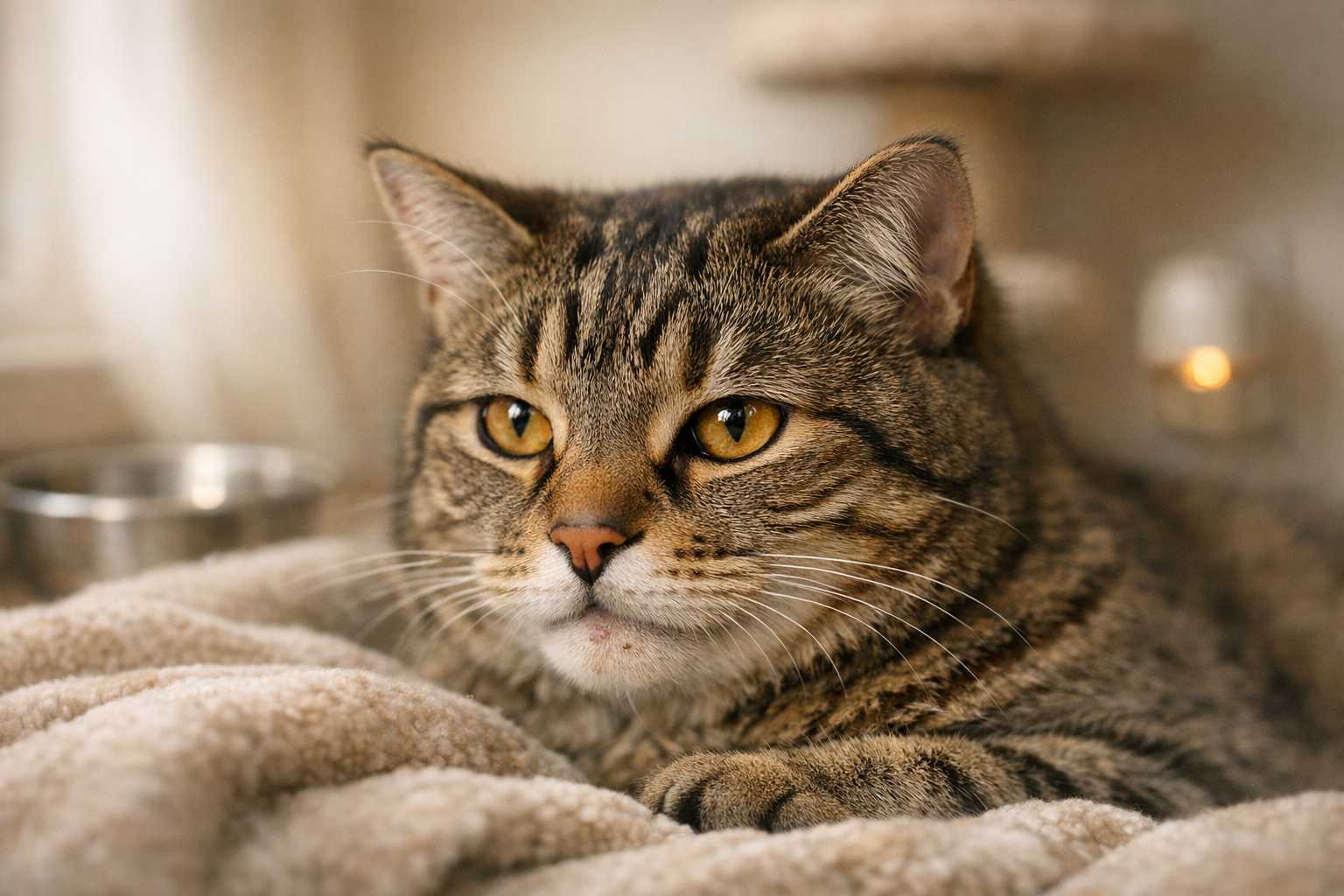
Stress-Related Cat Acne: Understanding the Mind-Skin Connection in Cats
SEO Slug: stress-related-cat-acne-mind-skin-connection
Focus Keyphrase: stress-related cat acne
Meta Description: Learn how stress may contribute to cat acne, what signs to watch for, and how to support your cat’s skin and emotional well-being.
Have you ever noticed tiny black specks on your cat’s chin and assumed they were just dirt? In some cases, they may actually be signs of cat acne. While stress is not the only possible cause, it can be an important contributing factor.
Like people, cats can show physical signs of stress. Their emotional state can affect many aspects of health, including the skin. Understanding that connection can help you spot problems earlier and support your cat more effectively.
What Is Cat Acne?
Cat acne is a common skin condition that usually affects the chin and, less often, the lower lip. It often appears as small black dots that resemble dirt or blackheads. In more advanced cases, the area may become red, swollen, irritated, or infected.
Cats of any age, breed, or lifestyle can develop acne. Even a well-groomed indoor cat can be affected. It is more common than many owners realize.
Cat acne develops when hair follicles become clogged with oil and skin debris. If bacteria or inflammation are involved, the condition can worsen and become more uncomfortable for the cat.
Can Stress Really Cause Cat Acne?
Stress does not directly “cause” cat acne in every case, but it may contribute to flare-ups or make the condition worse in some cats.
When a cat is under stress, the body releases stress hormones such as cortisol. Ongoing stress can affect the immune system, increase inflammation, and sometimes influence grooming habits or skin health. Together, these changes may make certain cats more prone to skin problems, including acne.
That said, cat acne is usually multifactorial. Other common contributors include poor chin hygiene, bacterial overgrowth, irritation from bowls, allergies, excessive oil production, or underlying skin disease. Stress is best viewed as one possible piece of the puzzle, not the sole explanation.
The Mind-Skin Connection in Cats
The relationship between emotional stress and skin health is sometimes called the mind-skin connection. In both human and veterinary medicine, stress is known to influence inflammatory skin conditions and grooming-related disorders.
In cats, stress can show up physically in several ways. Some cats overgroom, some hide, some eat less, and others may develop digestive or skin issues. While the term psychodermatology is more commonly used in human medicine, the basic idea still applies: emotional well-being and skin health are closely linked.
If your cat develops acne during stressful periods, it is worth looking not only at the skin itself, but also at what may be happening in the cat’s environment.
Common Stress Triggers for Cats
Recognizing what causes stress is often the first step toward helping your cat feel better.
Changes in the Home Environment
Cats tend to prefer routine, familiarity, and predictability. Moving to a new home, rearranging furniture, renovating, or even changing the layout of a room can be stressful for some cats.
New People or Pets
A new baby, a new roommate, visiting guests, or another pet can disrupt your cat’s sense of security. Some cats adapt quickly, while others need much more time and support.
Loud Noises
Thunderstorms, fireworks, construction, shouting, loud music, and even certain household appliances can be overwhelming. Cats have very sensitive hearing, so sounds that seem normal to us may feel intense to them.
Changes in Your Schedule
Cats often become attached to their daily routine and to the rhythm of your presence at home. Changes such as travel, new work hours, or a shift from working away from home to working at home can affect them more than many people expect.
Boredom and Lack of Enrichment
A cat that lacks stimulation may become frustrated or anxious. Play, climbing, scratching, hunting-style games, and exploration all matter. Mental enrichment is an important part of emotional health.
Signs Your Cat’s Acne May Be Stress-Related
It is not always possible to prove that stress is behind a breakout, but certain patterns may suggest a connection. For example:
- The acne appears or worsens after a stressful event
- Your cat is grooming more than usual
- They are hiding, acting withdrawn, or seeming more tense
- Their appetite or drinking habits have changed
- They are more vocal, irritable, or reactive than usual
- The acne improves when the environment becomes calmer
These signs do not confirm stress as the cause, but they can point you in that direction.
How to Treat Stress-Related Cat Acne
Treatment usually focuses on two things: caring for the skin and reducing any stress that may be contributing to the problem.
Gently Clean the Affected Area
If your veterinarian agrees, gently cleaning the chin can help. A warm, damp cloth may be enough for mild cases. Some cats benefit from veterinary-recommended antiseptic products, such as chlorhexidine wipes.
Do not scrub the area, squeeze lesions, or use human acne products unless your veterinarian specifically tells you to. Many human products can irritate a cat’s skin or be unsafe if licked.
See Your Veterinarian
A veterinary exam is important, especially if the area is red, painful, swollen, or not improving. Your vet can confirm whether it is truly acne and rule out other issues such as mites, fungal infection, allergic skin disease, eosinophilic granuloma complex, or other chin lesions.
In more severe cases, treatment may include topical medication, antibiotics, anti-inflammatory medication, or other therapies depending on the cause and severity.
Switch to Stainless Steel or Ceramic Bowls
Plastic bowls are often discouraged for cats with chin acne because they can trap residue, develop scratches that hold bacteria, and sometimes contribute to irritation. Stainless steel or ceramic bowls are generally easier to keep clean.
Wash food and water bowls daily with hot water and mild soap, and rinse them well.
Create a Calmer Environment
If stress seems to be playing a role, improving your cat’s environment can make a real difference. Try to keep feeding times, play sessions, and household routines as consistent as possible.
Many cats also benefit from:
- Quiet hiding spaces
- Elevated resting spots
- Separate resources in multi-cat homes
- Reduced exposure to noise and conflict
- Pheromone diffusers such as Feliway
Increase Play and Enrichment
Regular interactive play can reduce stress and improve overall well-being. Aim for short, consistent play sessions using toys your cat can chase, pounce on, and “catch.”
Puzzle feeders, scratching posts, climbing trees, and window perches can also help prevent boredom and reduce anxiety.
Ask Your Vet About Calming Support
If your cat seems chronically anxious, talk to your veterinarian about behavior support. Depending on the situation, they may suggest environmental changes, behavior strategies, calming diets, pheromones, supplements, or prescription anti-anxiety medication.
Use caution with supplements. Not all “natural” products are proven safe or effective for cats. Never give human supplements, essential oils, or CBD products unless your veterinarian specifically recommends them. CBD for cats is still an area with limited evidence, variable product quality, and legal differences by location.
How to Help Prevent Stress-Related Cat Acne
While not every case can be prevented, a few simple habits can lower the risk.
Keep a Predictable Routine
Cats usually feel safest when daily life is steady. Feeding, playtime, and quiet time on a regular schedule can be very reassuring.
Provide Safe Spaces
Every cat should have places where they can retreat and relax without being disturbed. This might be a covered bed, a cat tree, a quiet shelf, or a room away from noise and activity.
Watch for Patterns
If acne appears after specific events, such as visitors, moving, travel, or conflict with another pet, make note of it. Recognizing your cat’s personal stress triggers can help you intervene earlier.
Keep Bowls and Chin Area Clean
Good hygiene matters. Clean bowls daily, and if your cat is prone to chin acne, ask your vet whether routine chin cleaning is appropriate.
Schedule Regular Veterinary Checkups
Routine veterinary care can help catch skin problems early and identify underlying issues before they become more serious.
When to Be More Concerned
Many cases of cat acne are mild, but some need prompt medical attention.
Contact your veterinarian if you notice:
- Significant swelling
- Pain when the chin is touched
- Pus, bleeding, or a bad odor
- Hair loss around the area
- Your cat seems unwell, lethargic, or feverish
- The condition is spreading or keeps coming back
- Your cat stops eating or seems reluctant to eat because the chin is sore
These signs may suggest infection or another condition that needs proper treatment.
The Emotional Side of Caring for a Cat With Acne
It can be upsetting to see your cat uncomfortable, especially when you are not sure what caused the problem. Many owners feel worried or guilty, but cat acne is common, and in most cases it can be managed successfully.
Paying attention, seeking veterinary advice, and making thoughtful changes at home can go a long way. Your cat does not need perfection. They need consistent care, patience, and a calm environment.
Final Thoughts
Stress-related cat acne is real in the sense that stress can contribute to skin flare-ups in some cats, even if it is not the only cause. The link between emotional well-being and physical health is important, and the skin can sometimes reflect what a cat is experiencing internally.
The most effective approach is to treat both the visible problem and any possible underlying stress. With proper skin care, a cleaner environment, and support for your cat’s emotional well-being, most cases improve.
If you think your cat may have acne, start with your veterinarian. A clear diagnosis and a practical care plan can make all the difference.
Always consult your veterinarian before starting any new treatment for your cat. This article is for informational purposes only and is not a substitute for professional veterinary advice, diagnosis, or treatment.