Bonded Cat Pair Care: How to Meet the Needs of Two Closely Bonded Cats
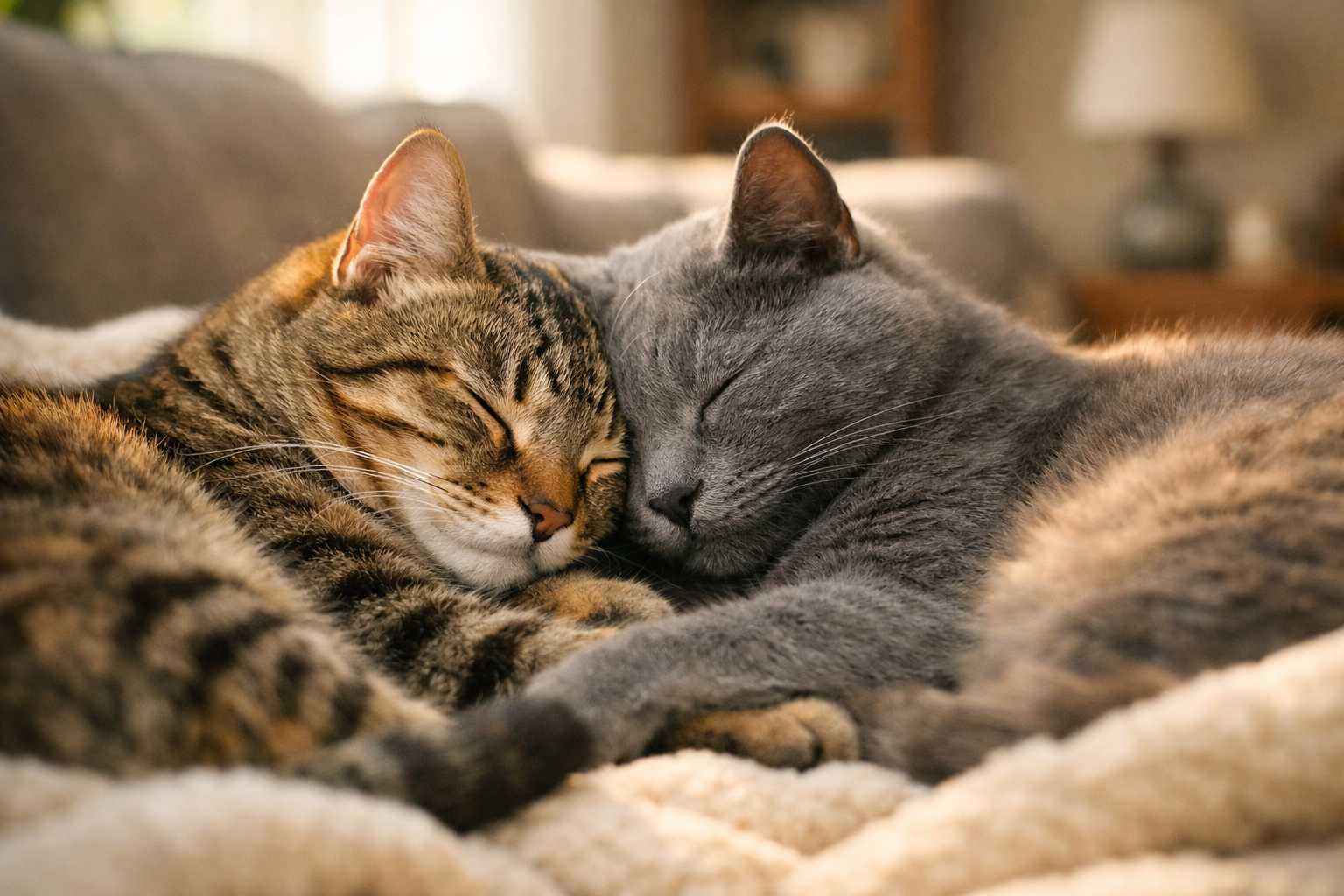
Bonded Cat Pair Care: Meeting the Needs of Two Deeply Connected Cats
Have you ever seen two cats curled up together and thought, “That’s the sweetest thing I’ve ever seen”? That’s often the beauty of a bonded cat pair. These cats share a close relationship built on comfort, trust, play, and routine.
Caring for a bonded pair can be deeply rewarding, but it also comes with a few special considerations. Here’s what to know to help both cats stay happy, healthy, and secure.
What Is a Bonded Cat Pair?
A bonded cat pair consists of two cats with a strong social attachment to each other. This bond often forms when cats grow up together, especially littermates or kittens raised in the same home, but adult cats can bond too.
Bonded cats are more than cats who simply tolerate each other. They actively seek each other out for companionship and reassurance. Common signs of a bonded pair include:
- Grooming each other
- Sleeping together
- Playing together regularly
- Following each other around
- Seeking comfort from one another during stressful situations
Because of this close connection, separating bonded cats can lead to significant stress, anxiety, and behavioral changes. In most cases, they should remain together.
Why Bonded Cats Usually Do Best Together
Cats are often described as solitary animals, but that is only part of the picture. While some cats prefer living alone, others form strong social bonds and clearly benefit from feline companionship.
A bonded pair may experience:
- Lower stress through mutual comfort and familiarity
- More mental stimulation through social play and interaction
- Greater emotional security in new or stressful situations
- Healthier activity levels because they encourage each other to move and play
Keeping a bonded pair together helps preserve an important relationship in both cats’ lives. For many pairs, that stability makes a real difference in overall wellbeing.
Preparing Your Home for a Bonded Pair
Even cats that adore each other still need enough space and resources to feel secure. A well-set-up home helps prevent tension and supports both cats’ needs.
Provide Enough Resources
A useful rule in multi-cat households is one resource per cat, plus one extra, especially for litter boxes, resting areas, and key resources. That means ideally providing:
- Two food stations
- Two or more water sources
- Three litter boxes
- Several beds or resting spots
- Multiple scratching posts
Even bonded cats can become tense around food, preferred sleeping spots, or litter boxes if resources are limited.
Add Vertical Space
Cats feel safer when they can climb, observe, and retreat upward. Vertical territory can also reduce crowding and give each cat choices. Good options include:
- Cat trees
- Window perches
- Wall shelves
- Multi-level cat furniture
This is especially helpful in smaller homes or apartments.
Include Hiding and Resting Areas
Bonded cats still need personal space sometimes. Make sure both have access to quiet places where they can rest undisturbed, such as:
- Covered beds
- Boxes
- Tunnels
- Shelves or quiet corners
Being bonded does not mean being inseparable every second of the day.
Feeding a Bonded Cat Pair
Feeding two cats may seem straightforward, but it is important to monitor each cat as an individual.
Watch for Food Competition
Even close companions can become competitive around meals. Signs include:
- One cat eating much faster than the other
- One cat trying to take the other’s food
- Guarding behavior
- Tension or anxiety at feeding time
If this happens, feed them in separate areas or on a schedule that allows each cat to eat calmly.
Track Each Cat’s Appetite
In a two-cat household, it can be easy to miss subtle changes. Pay attention to how much each cat eats and drinks. A reduced appetite, increased hunger, or changes in eating speed can be an early sign of illness.
Match Food to Individual Needs
Not all bonded pairs have identical nutritional needs. Age, weight, activity level, and medical conditions all matter. A kitten, adult cat, senior cat, or cat with health concerns may require different food. If needed, ask your veterinarian how to feed them separately while still maintaining harmony.
Enrichment and Play for Bonded Cats
Bonded cats often entertain each other, but they still need daily enrichment and interaction with you.
Schedule Interactive Play
Aim for regular play sessions using toys that encourage stalking, chasing, and pouncing, such as:
- Wand toys
- Feather teasers
- Small tossed toys
Two short play sessions a day, around 10 to 15 minutes each, are a good starting point for many cats.
A note on laser pointers: some cats enjoy them, but they can also cause frustration if there is nothing tangible to catch. If you use one, always end the session by directing the cats to a toy or treat they can physically “capture.”
Use Food Puzzles and Rotating Toys
Puzzle feeders and treat toys can help reduce boredom and provide mental stimulation. Try:
- Treat-dispensing balls
- Puzzle feeders
- Snuffle mats designed for pets
Rotate toys every few days to keep them interesting.
Let Them Interact Naturally
Wrestling, chasing, grooming, and sleeping together are all normal parts of many bonded cats’ relationship. As long as both cats appear relaxed and there is no escalation into real conflict, this social behavior is healthy and beneficial.
Health Care for a Bonded Pair
Each cat in a bonded pair still needs individual health monitoring. Because they spend so much time together, it is easy to think of them as a unit, but each cat should be tracked separately.
Keep Up With Routine Veterinary Care
Both cats need regular wellness exams and preventive care. Keep records for each cat, including:
- Vaccinations
- Parasite prevention
- Weight trends
- Medical history
- Current medications
- Dental care recommendations
If possible, choose a veterinarian familiar with multi-cat households.
Notice Changes in Either Cat
Bonded cats may react strongly when their companion is unwell or stressed. Sometimes the healthy cat may eat less, become quieter, hide more, or seem unusually clingy. While this is not a formal diagnosis of “sympathetic illness,” changes in one cat can affect the other’s behavior.
If one cat is sick, monitor both closely.
Don’t Overlook Dental Health
Dental disease is common in cats and can significantly affect comfort and appetite. If your cats tolerate it, regular tooth brushing is ideal. Dental treats, dental diets, and veterinary cleanings may also help, depending on your vet’s advice.
Stay Consistent With Parasite Prevention
Because bonded cats groom and sleep together, fleas and some parasites can spread quickly between them. Use veterinarian-recommended prevention consistently for both cats.
Reducing Stress in a Bonded Pair
Cats are sensitive to changes in their environment, and bonded pairs can be especially affected if both cats become unsettled at once.
Common Stress Triggers
Examples include:
- Moving to a new home
- Changes in routine
- Visitors or household noise
- New pets or people
- Construction sounds or fireworks
- Veterinary visits
Ways to Help Them Feel Secure
You can reduce stress by:
- Keeping routines predictable
- Maintaining plenty of enrichment and resting areas
- Using synthetic feline pheromone diffusers, if recommended
- Allowing them access to each other, when safe and appropriate
- Creating quiet spaces during noisy or disruptive events
One important note: while bonded cats usually benefit from staying together, there are times when temporary separation is necessary, such as after surgery, during infectious illness, or when directed by a veterinarian. In those cases, follow medical advice first.
What If One Cat in a Bonded Pair Dies?
Losing one cat in a bonded pair can be very hard on the surviving cat. Some cats grieve visibly, while others show more subtle changes.
Possible signs of grief or distress include:
- Searching for the missing cat
- Changes in appetite
- Withdrawal or lethargy
- Increased vocalization
- Clinginess
- Changes in sleep or routine
How to Support the Surviving Cat
If this happens, try to:
- Keep routines stable
- Spend extra time together
- Offer comfort without forcing interaction
- Encourage eating, play, and gentle engagement
- Contact your veterinarian if symptoms are severe or last more than a short time
In some cases, families consider adopting another cat later on. That can help some cats, but it should not be rushed. Not every grieving cat wants or benefits from a new companion right away.
Should You Adopt a Bonded Pair?
If you are thinking about adoption, a bonded pair can be a wonderful choice. Yes, caring for two cats usually means higher costs for food, litter, and veterinary care. But it can also mean watching a beautiful relationship continue and grow in your home.
Bonded cats are typically placed together for a reason: separating them may be harmful to their emotional wellbeing. When you adopt both, you are preserving a connection that matters to them.
Many shelters and rescue groups have bonded pairs waiting for homes. If you have the space, budget, and time for two cats, adopting a bonded pair can be incredibly rewarding.
Final Thoughts on Bonded Cat Pair Care
Caring for a bonded pair means supporting both their individual needs and their relationship with each other. The basics matter most: enough resources, regular veterinary care, daily enrichment, a low-stress environment, and, whenever possible, keeping them together.
These cats often bring a special kind of warmth into a home. Watching them groom each other, nap side by side, or seek each other out for comfort is a reminder that cats can form deep, meaningful bonds.
If you share your life with a bonded pair, caring for that connection is one of the best things you can do for them.
Do you live with a bonded cat pair? Share their story in the comments—we’d love to hear about them.
SEO Details
Best SEO Slug:
bonded-cat-pair-care
Focus Keyphrase:
bonded cat pair care
Meta Description:
Learn how to provide the best bonded cat pair care, from feeding and enrichment to stress reduction and health support, so both cats can thrive together.