Emergency Plans for Multi-Cat Households: Safety Guide
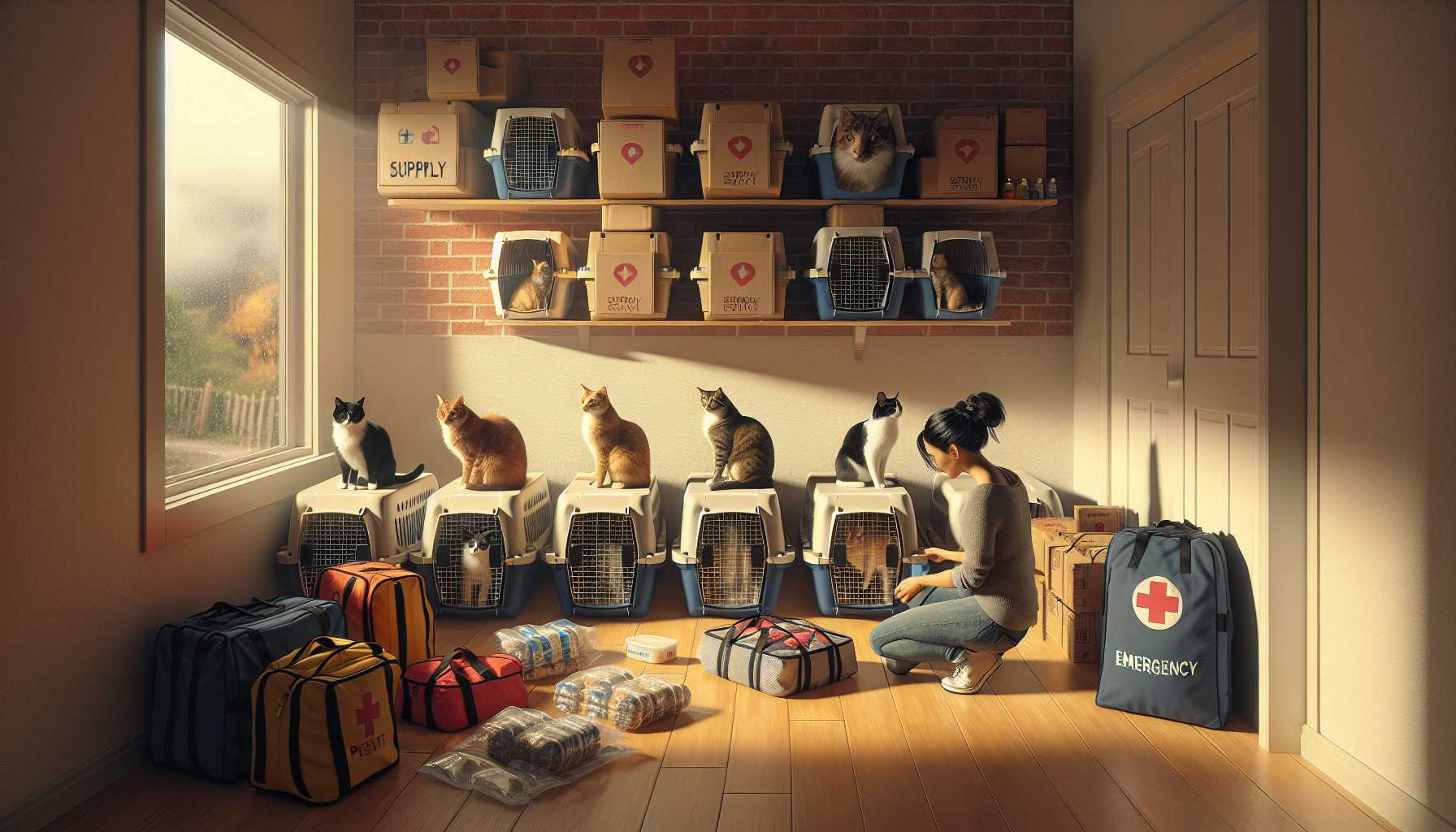
Safety Guide: Emergency Precautions for Households with Multiple Cats
If you're like me and have a home filled with several cats, you're well aware that they're not just pets - they're part of your family. However, organizing an emergency plan can feel daunting, given the number of furry companions. Fear not, with proper planning, you can ensure the safety of your feline family when faced with unexpected circumstances.
The Importance of Emergency Planning for Household with Multiple Cats
Evacuating with one cat is an endeavor in itself. Now multiply that by two, three, or more, and things quickly become complicated. Each cat is different, each having its own unique behavior and instincts. Some may hide at the slightest hint of danger, while others may sprint for the exit.
In such scenarios, emergency responders cannot always wait for you to corral all your pets. Therefore, having a comprehensive emergency plan isn't just thoughtful, but it's crucial for your cats' wellbeing.
Assembling Your Multiple Cat Emergency Kit
Necessary Supplies for Each Cat
Each cat in your house should have their own set of supplies. This might seem excessive, but believe me - running out of essentials during a crisis is the last thing you want.
Prepare these essential items for each cat: - Food and water for a week - Their medications and medical records - Litter and a portable litter box - A leash and harness - Comfort items, such as favorite toys or blankets
Carriers and Transportation
This is where households with multiple cats face the major hurdle. You absolutely need one carrier per cat. Sharing isn't an option as it can exacerbate stress and potentially lead to injuries.
Opt for sturdy carriers that your cats are already familiar with. Label them with your cat's name and your contact details. Make sure to keep these carriers within reach and not stowed away in a closet or tucked in some corner of the garage.
Effective Pet Identification Methods
Microchips Are Essential
Each cat should be fitted with a microchip. In chaotic situations, collars can get lost, but a microchip ensures a permanent form of identification. Be sure to keep your contact details updated on the microchip database.
Alternative Identification Methods
Breakaway collars with ID tags can serve as additional forms of identification. Label the tags with your name, contact number, and a backup contact number. It might also be helpful to add, "I have multiple cats," so rescuers are aware there may be more pets to locate.
Evacuation Tactics for Many Cats
A Room-by-Room Strategy
Don't try to gather all your cats simultaneously. Such a tactic is bound to fail. Instead, use a methodical approach.
Target the cats that are easiest to handle first. Secure them in their carriers before moving on to the more difficult ones. This strategy can help prevent a mass panic among your feline family.
Enlist Help
Establish a network of family members, friends, or neighbors who can provide assistance in an emergency scenario. Ensure they know where the carriers and supplies are stored. Conduct practice drills with your evacuation plan together.
Identifying Safe Spaces and Shelter Options
Pet-friendly Facilities
Research and note down pet-friendly hotels and shelters well in advance. Many such facilities have restrictions on the number of pets per guest, so you may need to arrange for multiple accommodations. Keep a directory of these options at varying distances from your home.
Friends and Family Network
Find out which of your friends or family members can temporarily accommodate some of your cats. Although it may mean temporarily separating your feline family, it is preferable over having no shelter options.
How to Manage Stress in Cats During Emergencies
Maintain a Calm Atmosphere
Cats are keen observers of your demeanor. Keep as calm as you can, even if you're internally panicked. Use a soothing voice and move with purpose, rather than rushing.
Familiar Comfort Items
Make sure to pack comfort items specific to each cat. The worn-out blanket you're tempted to chuck away might be a source of solace to your cat, as it carries the smell of home. Familiar scents can provide critical emotional support during stressful times.
Communication and Record Maintenance Plans
Organization of Medical Information
Maintain copies of vaccination records and medical documents for each of your cats in your emergency kit. Include photos and specific descriptions of each cat's disposition and notable traits.
Contact Information List
Prepare contacts list that includes your vet, emergency animal hospitals, and local animal shelters. Store these numbers in your phone and also keep hard copies in your emergency kit.
Practice Makes Perfect
Regular Drills
Frequent practice of your evacuation plan is not only for your benefit but for your cats as well. The more accustomed they are to their carriers and the evacuation process, the more successfully real emergencies will be handled.
Updating Your Plan
As your cats age and changes occur in your household, your plan should adapt accordingly. Strategies practical for young, agile cats may not work for older cats with mobility issues.
Special Provisions for Elderly and Special Needs Cats
Dealing with Mobility Issues
Elderly cats or those with disabilities will need extra considerations. They may require special carriers or additional time for safe evacuation. These factors must be incorporated into your timeline and planning.
Managing Medications
Ensure to include extra medical supplies in your emergency kit for any cats that require daily medication. Include detailed directions for administering these medications, in case someone else may need to care for your cats.
Your Peace of Mind Is Crucial Too
While planning for multiple cats in emergencies can indeed feel like an uphill battle, remember - you're doing this out of love for them. Every measure you take now can contribute to their safety in the future.
Begin with small steps if you need to. Get the carriers ready this week, build the emergency kit the next. The important thing is you're proactive in protecting your feline family.
Your cats rely on you for their safety. With adequate planning and preparations, you'll be equipped to safeguard every one of your feline family members when it truly counts. They're depending on you, and with this guide, you're well-prepared to do just that.