Multi-Cat Litter Box Solutions: Complete Setup Guide 2026
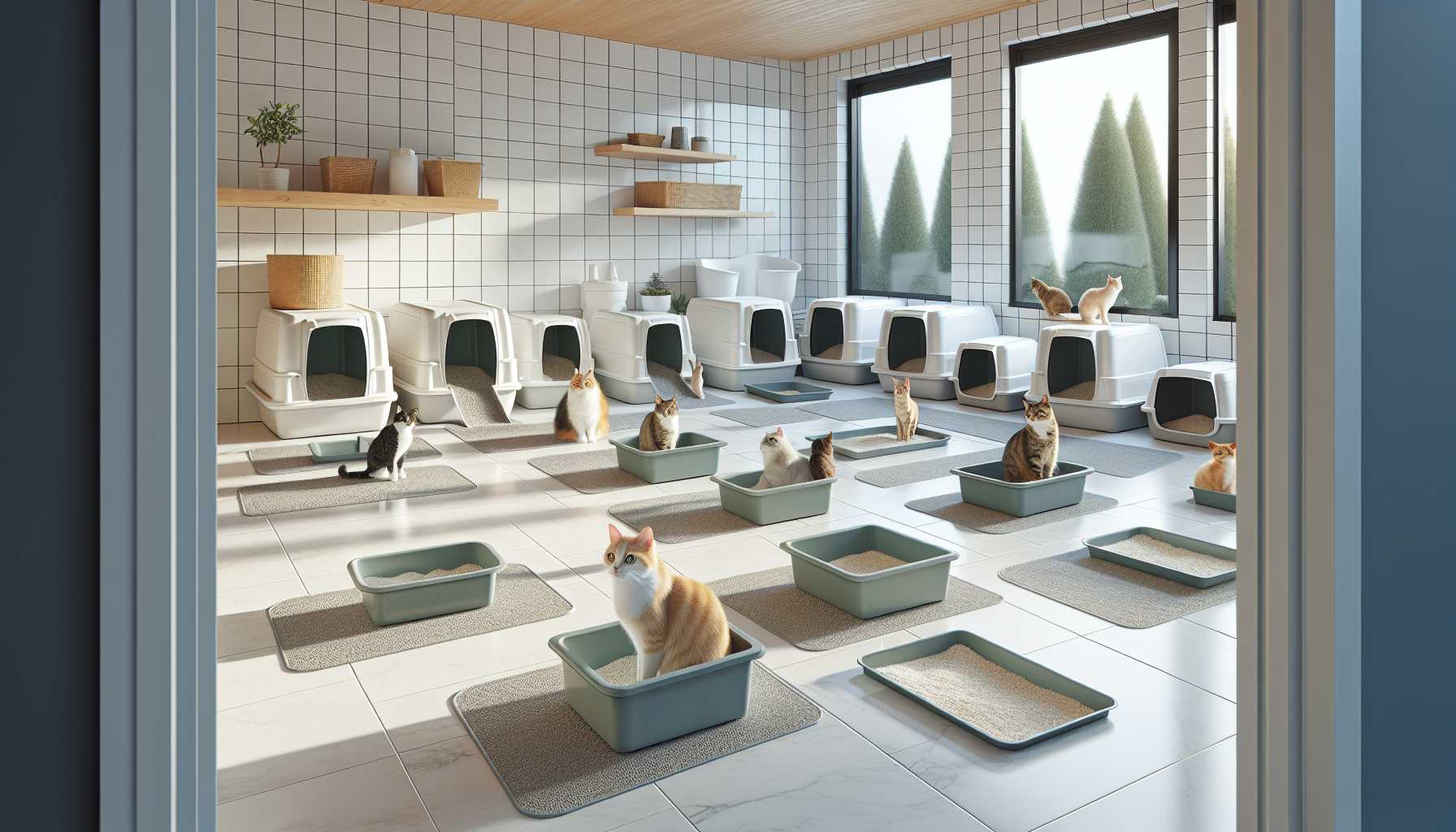
Simple Litter Box Solutions for Multi-Cat Households: A Detailed Guide
Living with multiple cats can be a bundle of joy, but caring for their bathroom needs can be another story.
If you're the proud parent of several cats, you understand this challenge all too well. The smells, the messes, and the constant cleaning can sometimes get overwhelming.
But don't fret - I'm here to help. This guide aims to turn your multi-cat home into a peaceful sanctuary.
Why Multiple Cats Require Specific Litter Box Considerations
Your cats aren't being high maintenance. They have legitimate needs that differentiate from those of single-cat households.
More cats mean more waste, leading to stronger smells and litter boxes that fill up quicker.
Territorial inclinations can also arise when cats refuse to share the litter box with their feline companions.
Lastly, individual cats may have specific preferences. One may favor clumping litter while another might lean towards crystal litter.
The Golden Rule: How Many Litter Boxes Do Your Cats Actually Need?
Here's the magic equation: "Number of cats + 1 = Minimum needed litter boxes."
Have three cats? You need at least four litter boxes. This isn't just a recommendation - it's crucial for your cats’ happiness.
Why the extra box? It not only gives your cats options and reduces territorial squabbles but also caters to their unique quirks. Some cats prefer to urinate in one box and defecate in another.
Ideal Litter Box Types for Multiple Cats
Large, Open-Top Boxes
Skip the small boxes. Your cats need ample space to dig and move around comfortably.
Opt for boxes that are at least 24 inches long. More spacious options are always better for houses with multiple cats.
Open-top designs inhibit trapped odors and provide your cats with easy exit routes, preventing anxiety.
Automatic Self-Cleaning Systems
These are breakthroughs for busy cat parents as they clean up waste automatically after each use.
Popular choices include the Litter-Robot and PetSafe ScoopFree. They are perfect for handling multiple cats.
Though they require an initial investment, these systems will save you countless hours of scooping litter.
High-Sided Boxes
For cats that love to dig, high-sided boxes help reduce litter spillage and prevent overflow.
Look for boxes with sides at least 6 inches tall. Your clean floors will be a testament to their efficacy.
Effective Litter Box Placement in Multi-Cat Homes
Spreading out Litter Boxes
Avoid flocking all boxes in a single area. Instead, distribute them across various rooms and floors.
Ensure boxes are placed in quiet, low-traffic corners, granting your cats the privacy they need.
Refrain from placing litter boxes near feeding and drinking areas. Cats value cleanliness and prefer a visible distinction.
Ensuring Accessibility
All cats should have easy access to at least two boxes to prevent territorial blocking by other cats.
Bear in mind your cats' ages and mobility, especially if they are older and might require litter boxes on main floors.
Cats must never feel cornered when using their boxes. Therefore, keep the pathways to the boxes clear.
Selecting the Appropriate Litter for Multiple Cats
Clumping Clay Litters
These form tight clumps that make frequent cleaning tasks easier.
Opt for dust-free varieties. With more cats, there's more digging and possible airborne dust.
Choose unscented versions. Strong fragrances may be too intense for your cats' sensitive noses.
Crystal Litters
These are excellent at absorbing odors, making them perfect for controlling smells in a house with multiple cats.
Crystal litters have a longer lifespan than clay litters, reducing the frequency with which you'll need to clean the boxes.
Some cats may initially be skeptical of crystal litters' texture. Transition slowly if switching from clay.
Natural Biodegradable Options
Corn, wheat, and pine litters are environmentally friendly, safe, and ideal if cats ingest any accidentally.
These natural litters form clumps effectively, control odors, and are gentle on sensitive paws.
Effective Odor Control Strategies
Good Ventilation
Set up exhaust fans in your litter box areas. Proper airflow minimizes odor buildup naturally.
You might also want to try air purifiers with activated carbon filters, which neutralize odors without harmful chemicals.
Regular Scooping Schedule
Scoop every litter box at least twice per day, ideally in the morning and evening.
Dispose of waste as soon as you notice it. Fresh waste produces less odor than aged waste.
Deep Cleaning Routine
Once a week, empty all boxes and clean them thoroughly with mild soap. Harsh chemicals can deter cats from their boxes.
Completely replace the litter during these cleaning sessions. This helps avoid the buildup of odor-causing bacteria.
Handling Territorial Disputes Among Cats
Allocating Individual Bathroom Spaces
If needed, assign each cat their own designated bathroom area.
Try different litter materials in various boxes to enable cats to establish their preferences and territories.
Reducing Competition and Stress
Feed your cats in separate spaces to diminish overall tension in the household.
Have multiple water sources about the house. Hydrated cats generally have better bathroom habits.
Consider employing pheromone diffusers near litter locations. They help foster a calm, peaceful atmosphere.
Economical Options for Multi-Cat Litter Box Setups
DIY Large Litter Box Options
Oversized storage containers can be converted into excellent large-scale litter boxes. Simply reduce one side for easy entry.
This option is considerably less expensive than specialized cat boxes, making it perfect for those with a tight budget.
Buying in Bulk
Make bulk purchases of litter to reduce costs. Store your additional bags in cool, dry corners.
Consider subscribing to automated delivery services for further savings. Plus, you'll never unexpectedly run short on supplies.
Reducing Maintenance Costs
Regular cleaning enhances the lifespan of your litter boxes, meaning you can replace them yearly rather than every few months.
Testing different generic clumping litters can also reduce costs; many work just as well as brand-name varieties.
Common Mistakes to Avoid with Multi-Cat Litter Boxes
Not Providing Enough Boxes
The most common mistake among multiple cat owners is not having enough litter boxes.
Using Only Covered Boxes
Although covers restrict odors, they can also provoke territorial disputes. Use a mix of covered and uncovered litter boxes.
Irregular Cleaning Schedule
Cats are quick to notice dirty boxes. Stick to a regular cleaning routine for the best results.
Ignoring Individual Cat Preferences
Observe your cats to understand which litter boxes they particularly prefer. Some preferences shouldn't be compromised.
The Health Perks of Proper Litter Management
Clean litter boxes can help decrease the risk of urinary tract infections because cats are less likely to retain waste in attractive boxes.
Organized litter strategies help spot health issues swiftly as changes in waste patterns are easier to identify.
Tidy litter management also reduces stress-related behavioral issues, contributing to overall feline happiness and health.
Making Your Multi-Cat Litter Setup Future-Proof
Preparing for Extra Cats
Set up additional boxes before bringing new cats home. This helps smoothen transitions for all parties.
Considering Aging Cats
Lower-sided boxes are more accessible for cats with arthritis. Prepare for your cats' evolving needs.
Integrating Technology
Smart litter boxes monitor usage patterns and alert you about potential health or behavior changes in your cats.
Addressing Common Multi-Cat Problems
Box Avoidance Concerns
Experiment with different litter types and box placements. Often, minor changes can resolve significant issues.
First, however, rule out any health problems. Changes in bathroom habits frequently signal physical concerns.
Excessive Scatter and Mess
Place litter mats around each box area. They help to gather litter before it gets tracked across the room.
Opt for low-tracking litter. Your vacuum cleaner and your home's cleanliness will thank you.
Building Your Perfect Multi-Cat Bathroom Set-Up
Begin with the basic formula: one box for each cat plus one extra. Fine-tune and add more as required.
Gradually test different setups. What's best for one cat family might not necessarily be ideal for yours.
Persistence pays off. Remember, it takes time for cats to accommodate to new arrangements.
With the right setup, your multi-cat household can be spotless, free of unpleasant odors, and peaceful.
Through these strategies, you'll find more time to enjoy your feline family than cleaning up after them - and isn't that what every cat parent wishes for?