Nocturnal vs Crepuscular: Understanding Cat Sleep Schedules
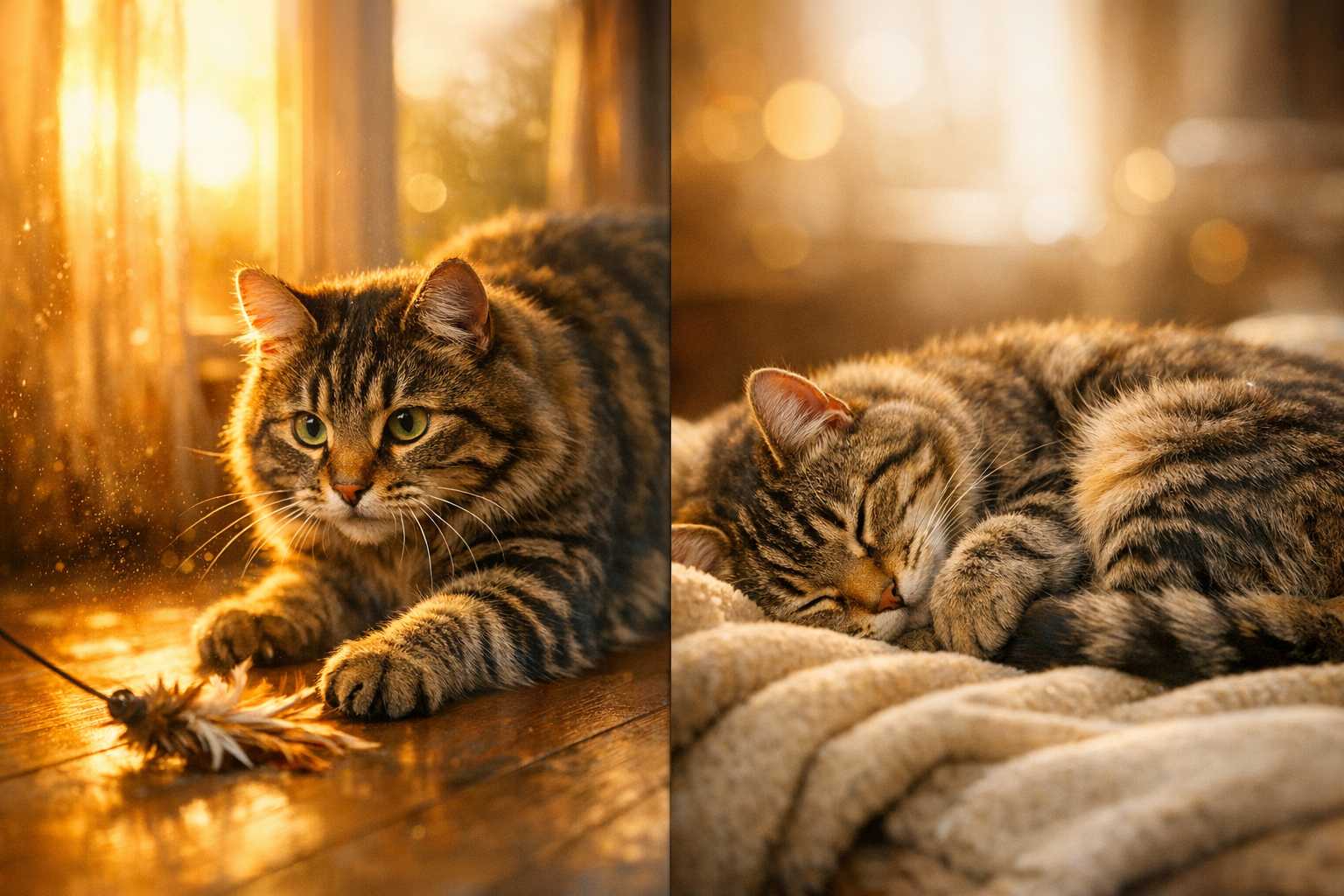
Decoding Your Cats Sleep Schedule: Nocturnal vs Crepuscular Explained
Ever found yourself baffled by your feline friend's seemingly erratic sleep schedule? You are not alone. The sleep patterns of our furry companions can often appear mysterious.
Let's explore the fascinating realm of feline sleep cycles to gain insight into your cat's unique behaviors.
Are Cats Truly Nocturnal?
Contrary to popular belief, cats are not actually nocturnal creatures.
Most cat owners mistakenly believe that cats are nocturnal due to them participating in energetic activities during the late-night hours. However, the reality goes beyond late-night escapades.
In reality, cats are what researchers label as "crepuscular." This term refers to species that are primarily active during twilight hours.
What is Crepuscularity Exactly?
Crepuscular creatures are evolutionarily designed to be active during two distinct periods: - Dawn (early morning) - Dusk (early evening)
Have you ever noticed your cat becoming increasingly energetic right around sunrise or sunset? This is their inherent programming coming into play!
Their wild ancestors would typically hunt during these quiet hours, when their prey was at its most vulnerable.
The Biology of Feline Sleep Patterns
As the reigning kings and queens of sleep, cats sleep for an average of 12-16 hours a day. That's almost double the average human sleep time!
Below is what a typical day might look like for your cat:
Dawn (5-7 AM): Time of peak activity Morning (8-11 AM): Light activity, followed by napping Midday (12-3 PM): Deep sleep mode Afternoon (4-5 PM): Additional naptime Dusk (6-8 PM): Second round of peak activity Night (9 PM-4 AM): Combination of light sleep and short active periods.
Why Indoor Cats Adhere to Ancient Patterns
Your spoiled, indoor feline may not need to hunt for survival, but millions of years of predatory evolution don't just vanish.
This instinctual firmware remains dominant in even the most domesticated of cats. It can be described as inbuilt programming that doesn't undergo modern updates.
This could explain why your feline friend suddenly bursts into a frenzy of activity just as you're settling down to watch your favorite TV show!
Maneuvering Around Your Cat's Innate Schedule
Resisting your cat's natural biorhythms is akin to battling a strong current. A more effective approach is aligning with their schedule:
Tips for the Morning Routine
- Anticipate early morning activity
- Provide stimulating toys for independent play
- Think about an automatic feeder for daybreak feeds
Suggestions for Evening Activities
- Schedule playtime before their dinner
- Introduce feather wands or laser pointers
- Use treat puzzles to simulate hunting scenarios
Typical Sleep Schedule Issues
Many cat owners encounter these familiar circumstances:
The 3 AM Rave: Your cat decides to have a party while you're fast asleep, typically due to the energy accumulated during their lengthy afternoon nap.
Weekend Early Rises: Cats have no concept of weekends. Their internal biological clocks align with nature's rhythms, not human-made schedules.
Evening Exuberance: Exactly when you desire relaxation, your cat is in the mood for play. Remember, this timing aligns perfectly with their natural high-energy periods.
Modifying Your Cat's Schedule (to a Certain Degree)
It is impossible to fully alter your cat's inherent patterns. However, minor tweaks can be made:
Modify Active Periods
- Encourage vigorous play before their natural periods of activity
- Make them tired so they sleep more soundly and for longer periods
- Use challenge feeders to prolong mealtime
Establish Stable Routines
- Stick to a feeding schedule
- Set up regular play sessions
- Create consistent lighting environments
Indicators of a Healthy Cat Sleep Cycle
A well-rested cat typically: - Appears attentive and playful during high-activity periods - Sleeps soundly during restful periods - Possesses regular eating and grooming habits - Has consistent litter box usage patterns
When Alterations in Sleep Should Be a Cause for Concern
You should contact your veterinarian if you notice: - Abrupt variations in sleep patterns - Excessive sleeping or restlessness - Decreased interest in play during high activity periods - Symptoms of distress or pain
Recognizing Different Cat Temperaments
Just like humans, cats have individualized tastes. Some cats may be more energetic in the morning, while others might prefer evening escapades.
Take time to observe your specific cat's patterns. If you're attentive, they'll demonstrate their preferred scheduling habits.
Creating an Ideal Sleep Environment
Assist your cat in receiving a restful sleep by:
- Offering a variety of comfortable sleeping spots
- Keeping some areas of the home quiet during the daytime
- Providing both sunny and shaded resting locations
- Maintaining constant room temperatures
The Final Word on Cat Sleep Schedules
Your cat's seemingly strange schedule isn't designed to drive you to distraction. They are merely following an ingrained set of instincts crafted through millions of years of evolution.
Understand that your cats are crepuscular, not nocturnal, will provide clarity around their patterns of behavior. Dawn and twilight bursts of high activity are both normal and healthy behaviors.
Rather than resisting your cat's inherent rhythms, try harmonizing with them. Organize stimulating activities during their high-energy periods.
Never forget, a cat that can engage in natural behaviors is typically a happier and healthier pet. Unsurprisingly, a contented cat often translates into peaceful sleep for every member of the household.
Wishing both you and your crepuscular companion a good night's sleep!