Antioxidants in Cat Food: Complete Health Benefits Guide
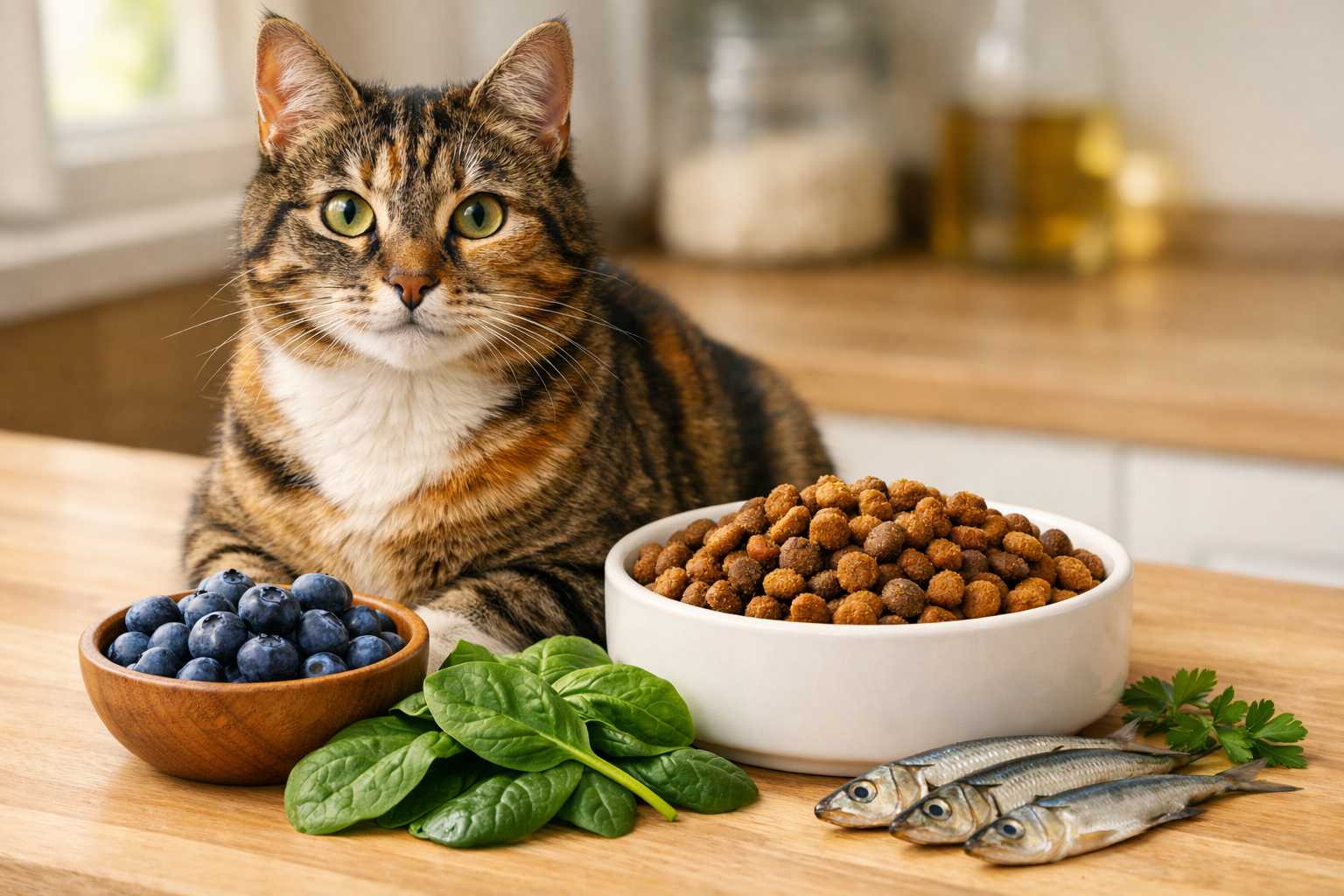
Comprehensive Guide on Antioxidant Benefits in Cat Food
A good diet is essential to your cat's health, and one key element of that diet is antioxidants. These powerful compounds can significantly impact your furry friend's well-being. Here is everything you need to know about antioxidants and their place in your cat's diet.
Understanding Antioxidants and Their Importance to Your Cat
Antioxidants play a significant role, acting as personal defenders for your cat. Their main job is to combat harmful molecules known as free radicals, which can damage cells, cause premature aging, and trigger severe health issues.
Although your cat's body naturally produces some antioxidants, it may not be enough. That's where the brilliance of antioxidant-rich cat food comes in.
Cats, similar to humans, experience everyday stressors such as pollution, UV rays, and normal metabolic processes. Antioxidants help neutralize these threats.
Essential Antioxidants in High-Quality Cat Food
Vitamin E (Tocopherols)
Vitamin E safeguards cell membranes from damage and keeps your cat's skin and coat in top shape. Good sources of Vitamin E include fish oils and plant-based ingredients. It's often listed as "mixed tocopherols" in the ingredients.
Vitamin C (Ascorbic Acid)
Cats can produce their vitamin C, but additional amounts can benefit them during periods of stress or illness. Vitamin C aids in immune function, wound healing and can increase the effectiveness of other antioxidants.
Beta-Carotene
This nutrient, the orange pigment found in certain vegetables, turns into vitamin A in your cat's body and helps maintain their eye health and immune system.
Selenium
Selenium, in combination with vitamin E, protects cells, making it crucial for heart health.
Taurine
Although technically an amino acid, taurine has antioxidant properties and is essential for cats. It supports heart function, vision and reproduction.
Health Benefits Antioxidants Provide to Your Cat
Enhanced Immune System
Antioxidants supercharge your cat's natural defenses, making them less susceptible to infections and other illnesses.
Improved Skin and Coat
Antioxidants prevent free radical damage to skin cells and hair follicles. As a result, your cat's coat will become softer and shinier, and issues like dry skin and dandruff can improve.
Better Heart Health
Antioxidants protect the heart muscle from oxidative stress, leading to better circulation and heart function as your cat grows older.
Sharper Vision
Antioxidants such as beta-carotene and vitamin E protect the delicate tissues of your cat's eyes, thus contributing to maintaining your cat's sharp vision.
Slower Aging Process
Antioxidants can slow cellular aging, which means your cat may remain more energetic and alert for a longer period.
Choosing the Right Antioxidant-Rich Cat Food
Carefully Read the Ingredient List
Look for whole food sources of antioxidants first. Real meats and vegetables are preferable over synthetic additives.
Check for AAFCO Approval
AAFCO-approved foods meet minimum nutritional requirements, ensuring your cat gets adequate antioxidants levels.
Consider Your Cat's Age
Different life stages require differing amounts of antioxidants. Kitten, adult, and senior cats all have their specific needs.
Check for Third-Party Testing Info
Quality cat food brands test their products for antioxidant content, ensuring that the product label is accurate.
Natural or Synthetic Antioxidants?
Opt for Whole Food Sources
Natural antioxidant sources, such as blueberries or spinach, are often better absorbed by your cat's body.
Synthetic Antioxidants Are Sometimes Necessary
In some cases, synthetic antioxidants like vitamins C and E are necessary to preserve the food's nutritional value.
When Your Cat Might Need More Antioxidants
Dull, Dry Coat
A lackluster coat often points to nutritional deficiencies, including lack of antioxidants.
Regular Illness
Cats with a weak immune system get sick more often, which might mean they lack antioxidants.
Low Energy Levels
Tired and listless cats may benefit from antioxidants to protect cellular function and increase energy levels.
Slow Wound Healing
If your cat's wounds are healing slowly, they might need more antioxidants to aid tissue repair.
Common Mistakes Cat Owners Make
Believing All Cat Foods Are the Same
Not all cat foods have the same antioxidant level. It's wise to invest in high-quality food to ensure long-term health benefits.
Ignoring Expiration Dates
Antioxidants lose potency over time. Always check the expiration date and store food correctly.
Overusing Supplements
Be careful not to overuse supplements, which can sometimes interfere with each other. Stick to providing high-quality food and only use supplements under a vet's supervision.
Tips to Maximize Antioxidant Benefit
Proper Food Storage
Antioxidants are destroyed by heat, light, and air. Always seal bags tightly and store them in a cool, dark place.
Gradual Food Transition
To avoid upsetting your cat's stomach, mix the new food with their current food over 7-10 days.
Observe Your Cat's Behaviour
Changes in energy level, coat condition, and overall health can indicate that the antioxidants are working.
When to Consult Your Vet
Prior to Major Dietary Changes
Your vet can advise on the appropriate antioxidant levels and help ensure safe dietary transitions.
If Issues Persist
If problems continue after 4-6 weeks on antioxidant-rich food, consult your vet. Other underlying health issues may need to be addressed.
For Elderly Cat Care
Older cats have different nutritional needs and may require higher antioxidant levels. Regular check-ups can help adjust diet recommendations accordingly.
Final Thoughts on Antioxidants in Cat Food
Your cat's health is intrinsically linked to their diet. Antioxidants are not just marketing gimmicks, but essential nutrients. They support immune function, slow aging, and enhance overall wellness.
However, remember that every cat is unique, and a diet that works for one cat may not work for another. By choosing the right antioxidant-rich food, you give your cat an opportunity to lead a vibrant, healthy life, which is what every responsible cat owner strives for.