Best Protein Sources for Cats: Complete Nutrition Guide
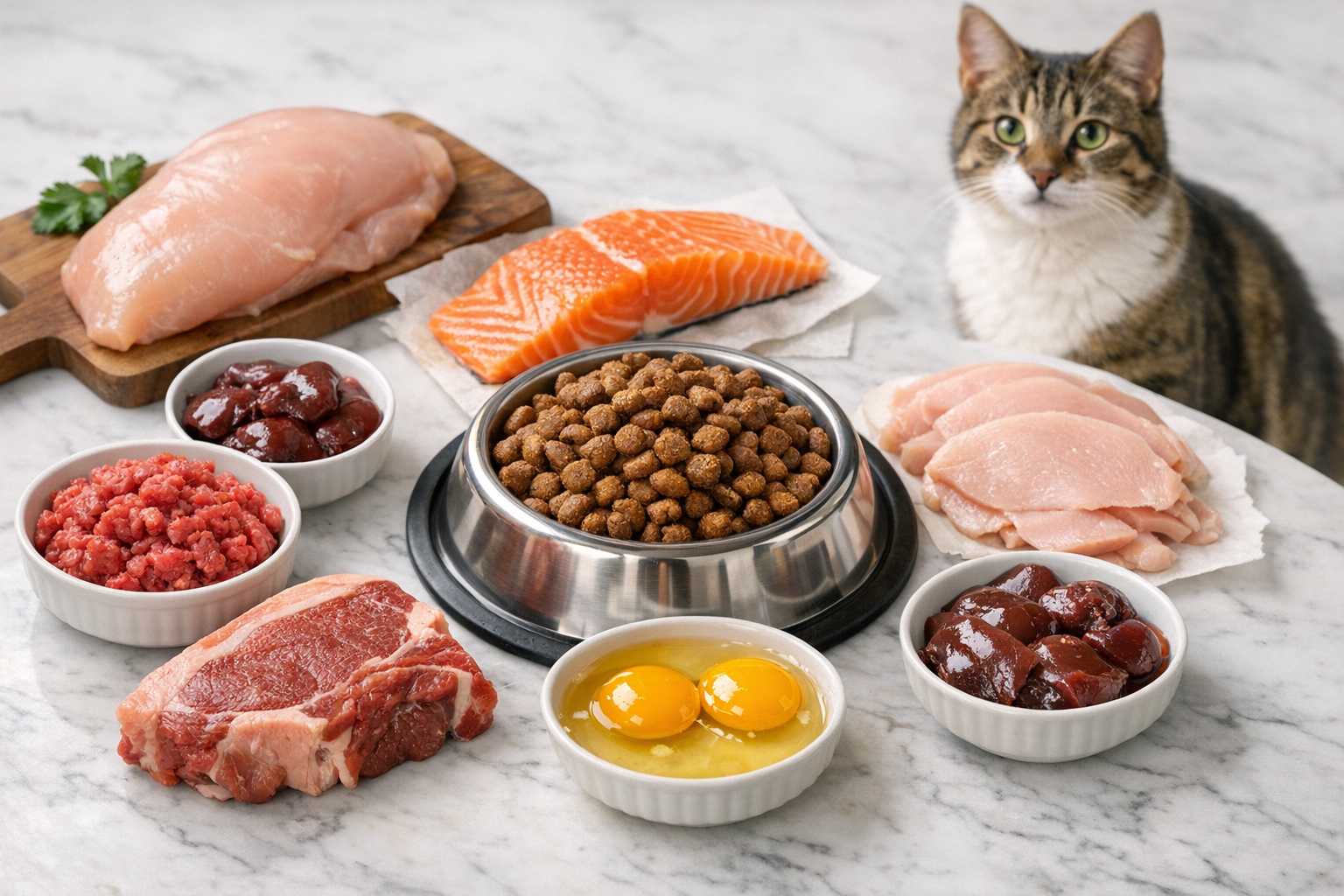
The Ultimate Guide to Protein Sources for Cats
Being a dedicated and loving cat owner, naturally, you want to provide the ultimate care for your feline friend. Protein intake plays an undeniable role in a cat's health and happiness. This guide will discuss the finest protein sources that can make your cat healthier and livelier.
The Importance of Protein in Your Cat's Diet
Cats are obligate carnivores, meaning they require meat to not only live but to thrive. In contrast to dogs or humans, cats cannot meet their nutritional requirements solely from plant-based foods.
Their biological makeup allows them to metabolize animal protein efficiently. Protein contributes to muscle growth, immune function enhancement, and maintaining a glossy coat. Moreover, it provides essential amino acids that cats cannot generate themselves.
Highly Recommended Animal-Based Protein Sources
Chicken: The Go-To Option
Chicken is amongst the most preferred protein choices for cats. It's economical, readily available, and often proves to be a favorite with most cats.
High-grade chicken is a comprehensive provider of amino acids and is easy for the majority of cats to digest. Opt for cat food where the primary ingredient listed is chicken meal or deboned chicken.
Fish: Marine Delights for Your Cat
Salmon, tuna, and mackerel are superb sources of protein. Fish carries omega-3 fatty acids beneficial for nurturing healthy skin and coat, in addition to supporting cognitive function and reducing inflammation.
Nonetheless, it's essential not to rely solely on fish for protein. An overreliance on fish can lead to a thiamine deficiency. A well-rounded diet is crucial for balanced nutrition.
Turkey: A Wholesome and Lean Choice
Turkey is a tremendous protein source for cats. It's lean, easy to digest, and loaded with crucial nutrients. High in tryptophan, turkey can help maintain your cat's serenity and satisfaction.
Cats with dietary sensitivities often respond positively to a turkey-centric diet. It is commonly used in limited ingredient formulas.
Beef: Flavorful and Fulfilling
Offering a robust flavor that many cats savor, beef is a rich source of iron, zinc, and B vitamins. However, some cats may display beef sensitivity, so introduce it to their diet gradually.
Ground beef or beef meal are suitable for commercial cat foods. Always choose high-grade sources without excess fillers.
Lamb: Ideal for Sensitivity
Lamb is a splendid alternative for cats with food allergies. It is less commonly used, making it perfect for elimination diets. Rich in protein and essential fatty acids, lamb is ideal for cats that cannot tolerate chicken or beef. Many high-end cat foods feature lamb as a unique protein.
Organ Meats: Nature's Vitamins
Organ meats should not be ignored when considering protein sources. Organs such as the liver, heart, and kidneys are nutrimental superstars.
The liver is rich in vitamin A, iron, and B vitamins. Heart muscle delivers taurine, a vital amino acid for cats. Kidneys provide B vitamins and significant minerals.
Many superior cat food options include organ meats, which should constitute about 5-10% of your cat’s diet.
Egg Protein: Comprehensive and Handy
Eggs are universally recognized for their high-quality protein. They carry all essential amino acids in ideal ratios. Egg protein is highly digestible and bioavailable.
Cooked eggs can occasionally make delectable treats for cats. Some superior cat foods list whole eggs or egg powder as protein sources.
Should Plant Proteins be Included?
Although cats are meat-eaters, small quantities of plant proteins can augment their diet. However, plant proteins should never be the main source.
Certain cat foods include peas, lentils, or chickpeas. These additions can offer more protein and fibrous content. Nevertheless, animal protein should always be prioritized.
How Much Protein Does Your Cat Actually Need?
It is recommended that adult cats obtain at least 26% protein in their dry food diet. Many experts suggest even higher quantities. Kittens and pregnant cats necessitate more protein for suitable growth and development.
Active outdoor cats may require more protein than relaxed indoor ones. Senior cats often benefit from higher protein concentrations to maintain muscle mass.
Tips for Choosing Prime Quality Cat Food
Pay close attention to the ingredients list when purchasing cat food. Prioritize named protein sources like "chicken" or "salmon" over ambiguous terms like "meat meal."
The top ingredients should be protein sources. Avoid products with unnecessary fillers like corn or wheat, as they offer little nutritional substance for your cat.
Keep in mind the life stage, activity level, and any health conditions of your cat. Consult with your veterinarian to get personalized advice.
Avoid These Red Flags
Steer clear from the following ingredients in cat foods: - Unspecified meat meals or by-products - Excessive grain fillers - Synthetic colors and preservatives - Overabundance of plant-based proteins as the main ingredients
Transitioning to Improved Protein
Should you decide to alter your cat's diet, proceed slowly. Gradually mix higher portions of new food with the old one over 7-10 days. This strategy minimizes gastrointestinal issues and helps your cat adapt.
Monitor any indications of food allergies or sensitivities, such as vomiting, diarrhea, or skin irritation. If any worrisome symptoms emerge, reach out to your vet immediately.
The Final Word on Cat Protein
Your cat deserves the best quality protein sources for optimal health. Focus on named animal proteins as the backbone of their diet. Variety ensures balanced nourishment and adds excitement to meal times.
Consider that every cat is unique; what functions excellently for one cat may not suit another. Stay attentive to the individual needs and preferences of your cat.
When in doubt, seek advice from your veterinarian. They can help you select the finest protein sources based on your cat's age, health, and lifestyle. In return, your furry companion will shower you with years of purrs and snuggles.