Cat Acne Diet Connection: Foods That Trigger Feline Chin Breakouts
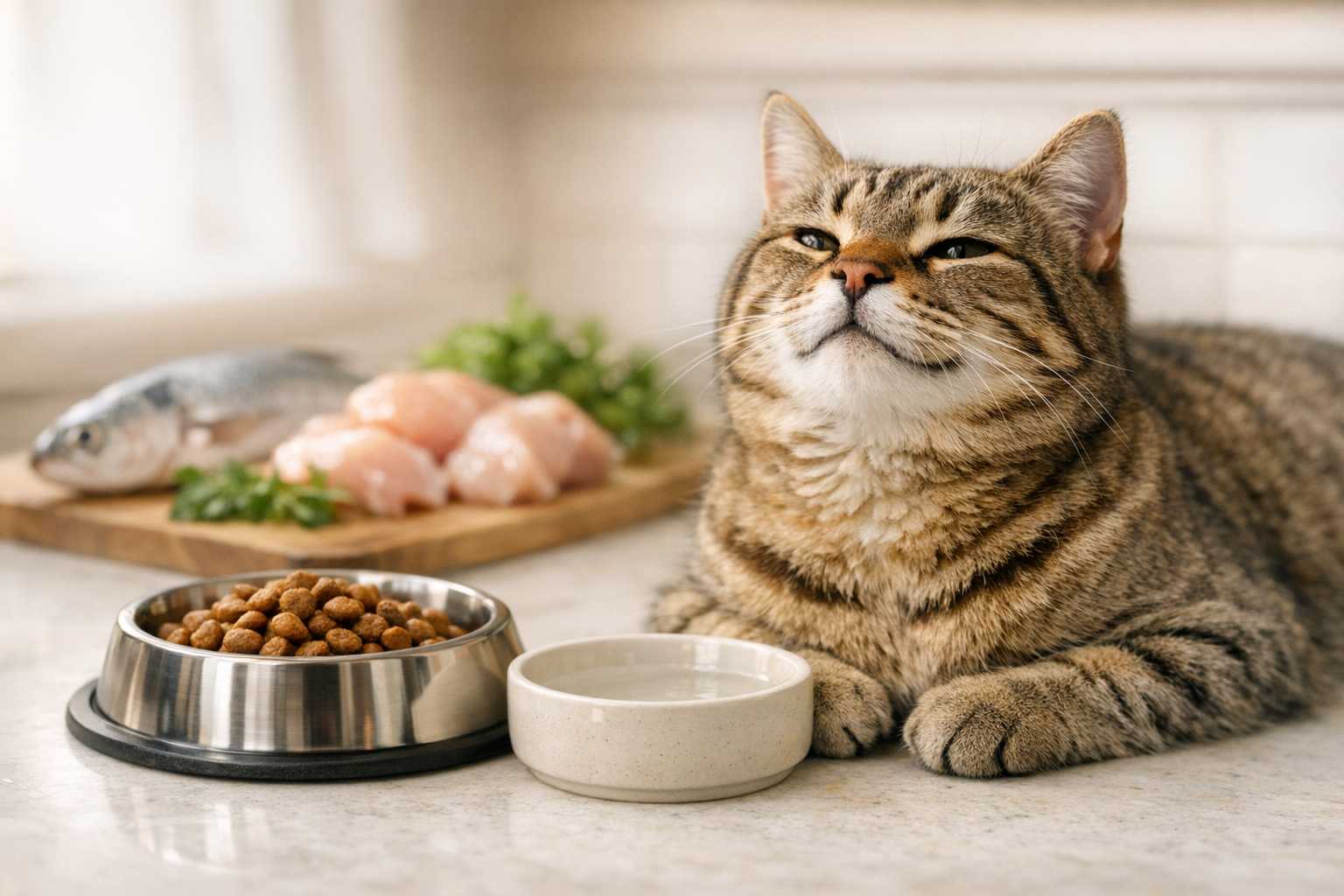
Cat Acne and Diet: Can Food Trigger Feline Chin Breakouts?
SEO Slug: cat-acne-diet-connection-foods-that-trigger-feline-chin-breakouts
Focus Keyphrase: cat acne diet connection
Meta Description: Explore the cat acne diet connection, including possible food triggers, bowl hygiene, and practical nutrition tips to support healthier skin and fewer chin breakouts.
If your cat has tiny black specks or bumps on their chin, you’re definitely not alone. Feline acne is surprisingly common, and while it can look alarming, it’s often manageable. One question many cat owners ask is whether diet has anything to do with it.
The answer is: sometimes, yes. Food is not the only cause of cat acne, but nutrition, food sensitivities, hydration, and even the type of food bowl your cat uses can all contribute to skin irritation and chin flare-ups.
Let’s take a closer look at the cat acne diet connection and what may be triggering those stubborn breakouts.
What Is Cat Acne?
Cat acne is a skin condition that usually appears on the chin and, less commonly, around the lower lip. It often starts as small black dots that resemble blackheads. In mild cases, that may be all you notice. In more serious cases, the area can become red, swollen, crusty, or infected.
Any cat can develop acne. It is not strongly linked to breed, sex, or lifestyle. Even healthy indoor cats with attentive owners can experience it.
Is There Really a Connection Between Diet and Cat Acne?
There can be, but it is important to be accurate here: food is not considered a proven direct cause of feline acne in every case. Cat acne is usually multifactorial, meaning several things may be involved at once. Common contributors include poor bowl hygiene, contact irritation, excess oil production, stress, grooming issues, and secondary bacterial infection.
That said, diet can still influence skin health in meaningful ways. A cat’s food affects inflammation, hydration, immune response, and overall skin condition. In some cats, food intolerances or allergies may make skin problems worse. In others, a poor-quality diet may contribute indirectly by affecting the skin barrier or overall health.
So while food may not be the sole cause, the cat acne diet connection is absolutely worth considering, especially if the problem keeps coming back.
Common Dietary and Feeding-Related Triggers
1. Plastic Food and Water Bowls
This is not a food ingredient, but it is one of the most commonly discussed acne triggers in cats. Plastic bowls can develop tiny scratches that trap bacteria, even after washing. Some cats may also react to the material itself.
If your cat has chin acne, switching to stainless steel or high-quality ceramic bowls is a simple first step. Just as important: wash bowls thoroughly and often.
2. Low-Quality Diets
Some lower-quality cat foods contain large amounts of fillers or lower-value ingredients that may not support ideal skin health. While ingredients like corn, wheat, or soy are not automatically harmful to every cat, some cats may be sensitive to certain formulations.
A nutrient-poor diet may also affect the skin indirectly, especially if it lacks high-quality animal protein or essential fatty acids.
3. Artificial Colors, Flavors, and Preservatives
Some cats may be sensitive to additives or preservatives in heavily processed foods. These ingredients do not cause acne in all cats, but if your cat has recurring skin issues, choosing a simpler diet with fewer artificial ingredients may be worth discussing with your veterinarian.
4. Food Allergies or Intolerances
Food allergy is one of the more important diet-related considerations. In cats, true food allergies more often cause itchiness, overgrooming, inflammation, or ear and skin problems than acne alone. Still, chin irritation can sometimes be part of a broader skin reaction.
Common protein triggers may include:
- chicken
- beef
- fish
- dairy
- eggs
It is worth noting that cats are usually allergic to proteins, not grains themselves. Grain is often blamed too quickly, when the true trigger may be an animal protein in the food.
5. Fish-Heavy Diets
Fish is not automatically bad for cats, and many cats do well on fish-based foods. However, some cats may be sensitive to fish, and fish can be a common ingredient in foods linked to food reactions. Rather than assuming fish is a universal acne trigger, it is more accurate to say it may be a problem for some individuals.
6. Dairy Treats
Most adult cats are lactose intolerant to some degree, so milk and other dairy products can cause digestive upset. While dairy is not a well-established direct cause of feline acne, it may contribute to inflammation or discomfort in sensitive cats and is generally not necessary in a cat’s diet.
7. Dry Food and Low Moisture Intake
Dry food does not directly cause acne, but hydration plays an important role in overall skin health. Cats naturally have a low thirst drive, so diets with more moisture can help support hydration. For some cats, adding wet food may improve overall skin condition and reduce factors that contribute to irritation.
Signs Your Cat’s Acne Might Be Related to Food
Diet may be worth investigating if you notice any of the following:
- the breakout started after a food change
- your cat also has vomiting, diarrhea, or soft stools
- the acne keeps flaring up without an obvious cause
- your cat has itching, ear issues, or other skin irritation
- topical cleaning alone is not helping
- symptoms improve, then return after certain foods or treats
These clues do not prove food is the cause, but they can point you in that direction.
How to Figure Out Whether Food Is the Problem
If you suspect your cat’s acne may be linked to diet, the best approach is to work with your veterinarian. Food trials need to be done carefully to be meaningful.
In general, your vet may recommend an elimination diet using either:
- a novel protein diet, made with a protein your cat has not eaten before, or
- a hydrolyzed protein diet, in which proteins are broken down to make an immune reaction less likely
A proper food trial usually lasts 8 to 12 weeks, not just a few weeks, and your cat must eat only that prescribed diet during the trial. No extra treats, flavored medications, table scraps, or supplements unless your vet approves them.
A basic process may look like this:
- choose the trial diet with your veterinarian
- feed only that diet for the full recommended period
- track skin, digestion, and behavior changes
- avoid all non-approved foods and treats
- discuss whether to re-challenge with the old food if symptoms improve
This is the most reliable way to identify whether a food sensitivity is involved.
Foods and Nutritional Features That May Support Healthy Skin
While no food can guarantee acne-free skin, some nutritional choices can support your cat’s overall skin health.
High-Quality Animal Protein
Cats are obligate carnivores, so they need animal-based protein. A well-balanced diet with clearly identified protein sources can help support healthy skin and tissue repair.
Omega-3 Fatty Acids
Omega-3 fatty acids can help support the skin barrier and modulate inflammation. In cats, marine sources such as fish oil are generally more useful than flaxseed because cats do not convert plant omega-3s efficiently.
Do not add supplements without veterinary guidance, since dosing matters.
Limited-Ingredient Diets
For cats with suspected sensitivities, limited-ingredient diets may reduce exposure to potential triggers. These are especially helpful when chosen strategically with your veterinarian.
Wet Food for Better Hydration
Wet food can help increase water intake, which supports overall health and may benefit the skin as well. It is not a cure for acne, but it can be a useful part of a skin-supportive routine.
Complete and Balanced Nutrition
The most important factor is that your cat’s food is complete and balanced for their life stage. Skin problems can worsen if a diet is deficient in essential nutrients, even if the ingredient list looks appealing.
Other Causes of Cat Acne to Keep in Mind
Diet is only one piece of the puzzle. Other factors can also trigger or worsen feline chin acne, including:
- dirty food or water bowls
- stress
- poor grooming, especially in overweight or older cats
- excess oil production
- bacteria or yeast overgrowth
- contact irritation from certain materials
- underlying skin disease
Because there are so many possible causes, recurring or severe acne should always be looked at in context.
When to See a Veterinarian
Mild blackheads may improve with better bowl hygiene and gentle care, but some cases need medical treatment. Contact your vet if:
- the chin is red, swollen, painful, or warm
- there is pus, bleeding, crusting, or a bad smell
- your cat keeps scratching or rubbing the area
- the acne is spreading
- your cat seems uncomfortable
- home care has not helped
- the problem keeps returning
Your veterinarian can rule out infections, mites, allergies, dental-related issues, or other skin conditions that can look similar to acne.
Simple Daily Habits That Can Help
These small steps can make a real difference:
- switch to stainless steel or ceramic bowls
- wash food and water bowls daily
- wipe your cat’s chin gently if your vet recommends it
- keep your cat well hydrated
- feed a complete, balanced, high-quality diet
- avoid random treats or frequent food changes if you are trying to identify a trigger
Consistency matters more than doing everything at once.
Final Thoughts
The cat acne diet connection is real, but it is not always straightforward. Food may contribute to chin breakouts in some cats, especially when allergies, sensitivities, poor diet quality, or low moisture intake are involved. Just as often, though, acne is made worse by bowl hygiene, bacteria, or other skin-related factors.
If your cat has recurring chin breakouts, start with the basics: clean bowls, better materials, and a closer look at the diet. If the problem continues, your veterinarian can help you determine whether a food trial or medical treatment makes sense.
With a little patience and the right approach, most cats can get meaningful relief, and that means a healthier, more comfortable chin.
Always talk to your veterinarian before making major changes to your cat’s diet, especially if your cat has ongoing skin problems, digestive symptoms, or other health concerns.