Cat Food Portion Control: Weight Management Success Guide
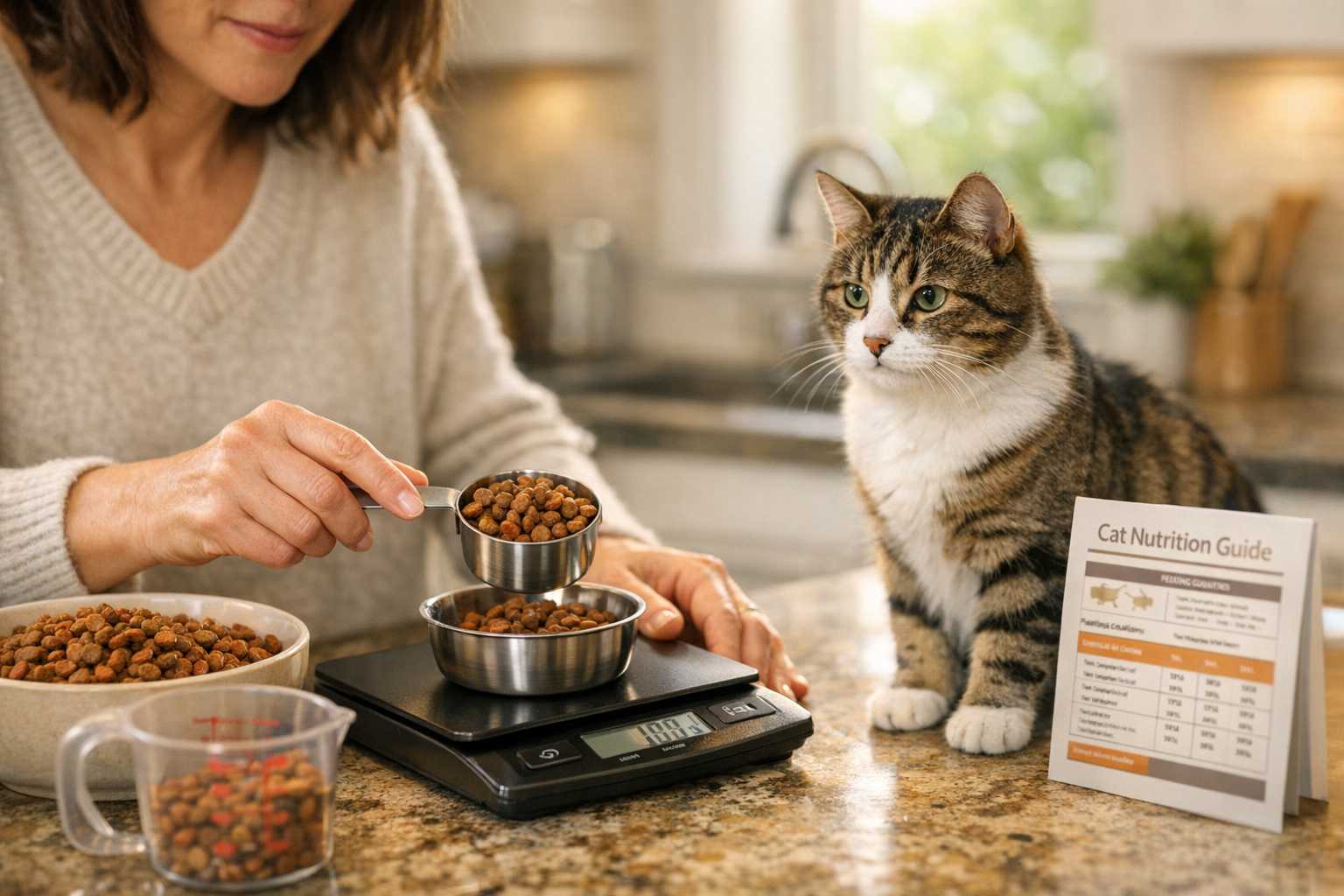
A Comprehensive Guide on Cat Food Portion Control for Weight Management
Managing the weight of your furry feline friend can feel quite a daunting task, but rest assured, you aren't walking this path alone as many pet owners grapple with striking the right balance between keeping their feline companions content and healthy.
The Importance of Portion Control in Cat's Food
Good nutrition is one of the most crucial elements in maintaining your cat’s health. Overfeeding can lead to obesity, an issue that affects almost 60% of cats in the U.S. Extra weight not only strains your cat's joints but may also cause diabetes, heart conditions, and breathing issues. You might begin to notice that your playful and energetic kitty becomes less active.
Conversely, underfeeding your cat will lead to its own set of issues. Your feline companion needs a sufficient supply of nutrients to maintain muscle mass and energy levels.
Recognizing Indicators of Improper Portion Control
Certain signs can indicate that portion control needs to be reviewed:
- Difficulty in feeling the ribs under the fur
- Lack of a visible waist from the top view
- A significantly hanging belly
- Diminished activity and playfulness
- Struggling to groom areas that are difficult to reach
- Heavy breathing following mild activity
Your vet can help ascertain if your cat's weight is within a healthy range.
Deciphering Your Cat's Nutritional Requirements
Cats have diverse nutritional needs based on their age, activity level, and overall health status.
Kittens typically need more calories per pound as they are in a stage of rapid growth and their playfulness leads to high energy consumption.
Adult cats require a balanced diet without an excess of calories. Indoor cats generally need fewer calories compared to outdoor ones.
Senior cats, on the other hand, often require foods that are easy to digest due to their slowing metabolism, which usually calls for portion adjustments.
How to Determine Proper Food Portions
Begin by establishing your cat's desired body weight, as opposed to their current weight. Your vet can be of great help in figuring out this optimal weight.
Dry food packages generally have feeding instructions, though these should be seen as guides rather than definitive rules, as all cats have varying metabolic rates.
A widely accepted rule suggests 20 calories per pound of intended body weight to achieve weight loss, while 25-30 calories per pound are recommended for maintenance. For instance, a 10-pound cat typically requires around 200-250 calories a day for maintenance.
Accurate Food Measurement
Estimating portions can result in overfeeding. A digital kitchen scale can provide more accurate measurements.
If you prefer to use measuring cups, ensure you are consistently using the same cup as different cup sizes can cause inadvertent significant changes in portion sizes.
When dealing with dry food, aim to level off the measurements. Mounding scoops can add unnecessary calories that pile up over time.
Creating an Effective Feeding Routine
Consistency plays a significant role in regulating your cat's metabolism. Therefore, try to stick to regular feeding times.
Feeding twice a day works well with most adult cats. This regimen mirrors natural hunting regimes and prevents overeating.
Serving three smaller meals could be preferable for cats with sensitive stomachs, and it might aid in weight management by increasing metabolism.
Steer clear of free-feeding if you're aiming for weight control. Leaving food out all day long makes portion control a challenge.
Selecting the Right Kind of Food
Cat food varies widely in terms of quality. High-quality foods often require smaller serving sizes as they're densely packed with nutrients.
Wet food generally contains more water and fewer calories per ounce than dry food. Therefore, it may help your cat feel satisfied with fewer calories.
Dry food, although convenient, is packed with calories. Therefore, it's prudent to measure accurately and possibly mix it with wet food to enhance satiety.
Weight management formulas are specially created with fewer calories and more fiber. They help your cat feel full while shedding weight.
Healthy Treat Rules
No more than 10% of your cat's daily calorie intake should come from treats. This includes everything except their main meals.
Opt for low-calorie treats like small pieces of cooked chicken or commercially available diet treats. High-fat treats should be avoided during weight loss periods.
Consider using regular kibble as rewards during training. This helps to avoid extra calories while still reinforcing positive behavior.
Keeping Track of Progress and Making the Necessary Adjustments
Weight loss should be gradual. Aim to lose 1-2% of body weight per week for safe, sustainable results.
Weekly weigh-ins can help chart progress. Keeping a simple log will help identify trends and appreciate the smaller victories.
If weight loss comes to a standstill after 2-3 weeks, consider reducing the portion sizes a little. If your cat appears lethargic or loses weight too rapidly, then increase the portion sizes.
Avoiding Common Portion Control Mistakes
Mistake #1: Using different measurement "cups" from different family members. Stick with one consistent measurement tool.
Mistake #2: Failing to account for treats and occasional table scraps. Every calorie is critical in calculating your cat's daily total intake.
Mistake #3: Making drastic changes in portion sizes. Gradual adjustments tend to be more effective and place less stress on your cat.
Mistake #4: Giving up too soon in the process. Achieving desirable results in weight management takes time and patience.
Consulting with Your Vet
Your veterinarian is the best partner in this endeavor. It's advisable to schedule regular check-ups to monitor your cat's progress and overall health.
Blood tests could rule out medical conditions that may hinder weight loss. Conditions like thyroid disorders and diabetes can significantly affect metabolism.
Feel free to inquire and ask questions. Your vet can provide personalized advice based on your cat's specific health needs and history.
Making Feeding Times More Interesting
Food puzzles and slow-feeder bowls are a great way to make meal times more engaging. They help your cat eat more slowly, thereby enhancing satisfaction.
Interactive feeders engage your cat's natural hunting instincts, leading them to work for their food and consequently burn extra calories.
Spreading meals across different areas can encourage movement while preventing your cat from eating too quickly.
Building Long-Term Success
Maintaining a healthy weight in the long term requires changes in lifestyle rather than quick fixes. The focus should be on establishing robust habits that can be sustained in the long run.
Keep track of what works and what doesn't. Each cat will respond differently to varying strategies.
Remember to celebrate even the smallest victories along the way. Your commitment to your cat's health is a testament to your care and love for their wellbeing.
Remember, this journey requires patience and time. With consistent efforts and proper portion control, your cat can reach and maintain a healthy weight. Your furry friend will appreciate your care with a boost in energy, improved health, and many more joyful years to spend with you.