Cat Nutrition for Different Life Stages: Complete Guide
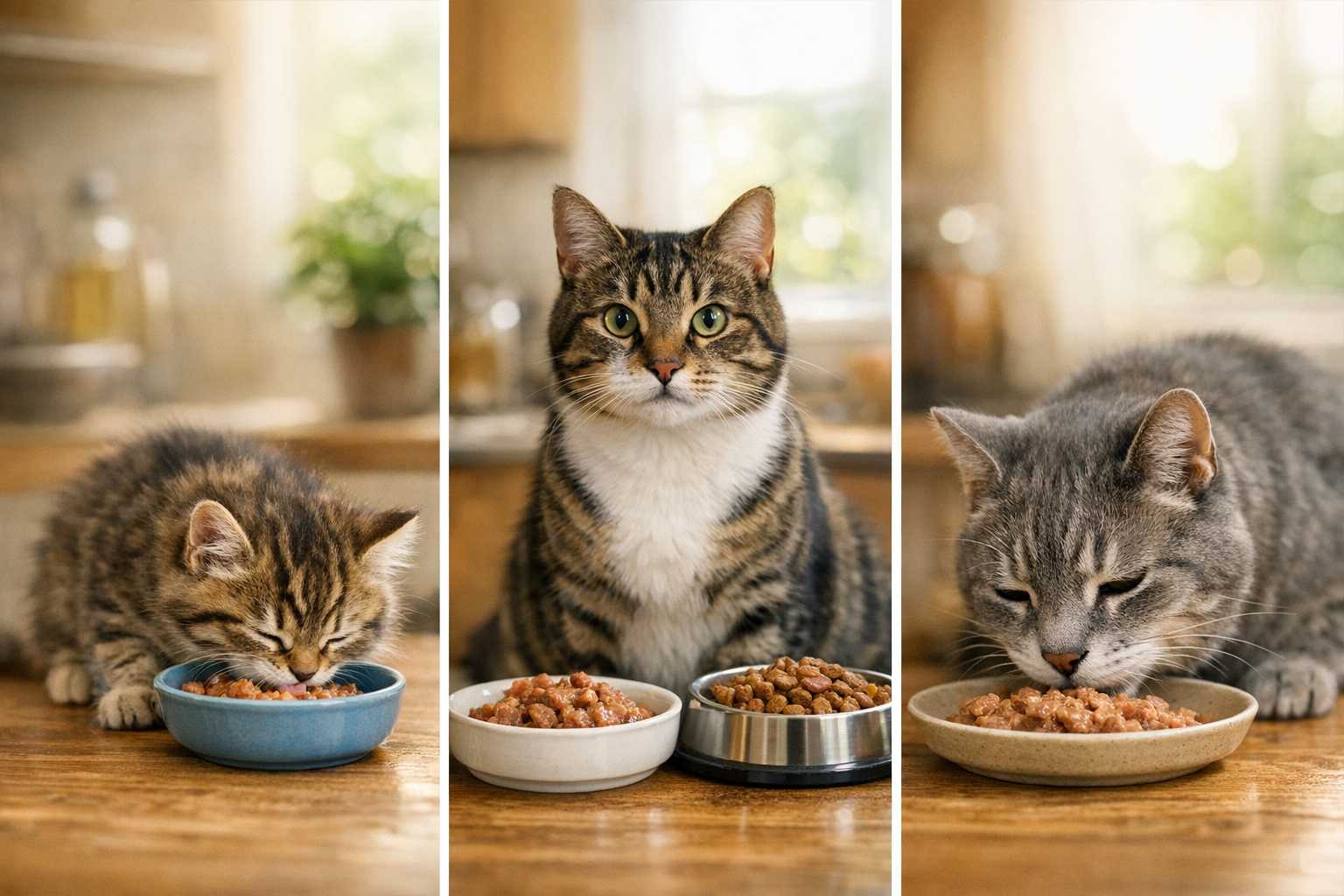
Adapting to Your Cat’s Evolving Nutritional Needs
Cats are natural carnivores, and they need meat to stay healthy and vibrant. As your cat grows, their requirements for protein, fat, and calories will adjust, mirroring changes in their metabolism and activity levels.
For instance, a lively kitten burns considerably more energy than a 12-year-old cat who enjoys their afternoon naps. This shift also has implications for your cat's digestive abilities as senior cats often struggle to process certain nutrients, underlining the importance of an age-appropriate diet.
Kitten Nutrition (0-12 Months): Building a Healthy Foundation
The Initial Weeks
For the first 4-5 weeks, kittens are completely reliant on their mother's milk for nutrition. If you're required to bottle-feed, it's advisable to use a milk replacer specifically designed for kittens. Cow's milk is to be avoided as it can upset their digestion.
Transitioning to Solid Food (4-8 Weeks)
By the time kittens reach four weeks, you should start introducing them to wet kitten food. You can make it easier for them to eat by mixing it with a bit of warm water.
When choosing kitten food, make sure it's specifically formulated for their age group - labels such as "kitten" or "all life stages" will be your guide.
Key Nutritional Requirements for Kittens
To fuel their rapid growth and high energy levels, kittens need more calories per pound than adult cats. Protein should make up at least 30% of their diet to support muscle development and overall growth, while fat content should be at a minimum of 9% to provide energy and aid vitamin absorption.
Further, DHA - an omega-3 fatty acid - aids brain and eye development, and you'll find it included in many high-quality kitten feeds.
Kitten Feeding Schedule
- From 4-6 weeks: 4-5 small meals daily
- From 6-12 weeks: 3-4 meals daily
- From 3-6 months: 3 meals daily
- From 6-12 months: 2-3 meals daily
Steer clear of free feeding, as scheduled meal times help you monitor your kitten’s appetite and health closely.
Adult Cat Nutrition (1-7 Years): Upholding Peak Health
The Transition Period
Most cats are ready to switch to adult food at about 12 months. This change should be implemented over 7-10 days, gradually mixing adult food into the kitten diet to prevent ingestion problems.
Dietary Requirements for Adult Cats
Once your cat has reached maturity, they need less calories as their growth period is over but they are still quite active.
You should continue to focus on a diet that is at least 26% protein to maintain muscle mass in accordance with their carnivorous nature. Similarly, fat content can remain at a minimum of 9%, but this might have to be adjusted based on your cat’s activity level.
Hydration is vital for your cat's health - since cats naturally don't drink much water, wet food is an excellent means of keeping them adequately hydrated.
Feeding Guidelines for Adult Cats
Most adult cats thrive on two meals per day, which replicates their natural hunting pattern.
Proper portion control based on your cat’s weight and activity level is essential. Most cat food packaging will provide feeding guidelines for your reference.
Keep an eye on your cat’s physical condition. Ideally, their ribs should be palpable, but not visibly sticking out.
Special Considerations
Indoor cats generally need fewer calories than outdoor cats due to differences in activity levels and body temperature regulation needs.
After spaying or neutering procedures, cats may put on weight more easily; therefore, you should closely monitor portion sizes.
Some cats prefer to graze throughout the day - if your cat can maintain a healthy weight with free feeding, it's perfectly acceptable.
Cat Nutrition in the Senior Years (7+ Years): Nourishing an Aging Body
Defining the Senior Phase
Cats are usually classified as seniors around the age of seven, although some might not exhibit signs of aging until later.
Indicators such as changes in appetite, weight, or bathroom habits could suggest that it's time to switch to a diet that caters to seniors.
Unique Dietary Needs of Senior Cats
Senior cats usually have slower metabolisms and may need less calories to maintain their weight.
However, some older cats actually need additional calories as aging can impede digestion and nutrient absorption.
With age, a cat's kidneys might not perform as efficiently, making hydration even more crucial. Joint health also becomes a priority and certain nutrients can help maintain mobility.
Essential Nutrients for Senior Cats
High-quality protein remains pivotal in a senior cat’s diet, however, this protein needs to be more easily digestible.
Omega-3 fatty acids found in fish oil or flax seed support joint health and cognitive function.
Antioxidants such as vitamins C and E combat age-related damage - many senior cat food formulations incorporate these.
Fiber aids digestion and assists with weight management. However, be mindful that too much fiber can hinder nutrient absorption.
Changing Feeding Practices
It might be necessary to serve smaller, more frequent meals to senior cats as they can develop more sensitive stomachs.
Wet food plays an even more critical role at this stage because it not only provides hydration, but it's also easier to chew and digest.
Some senior cats may develop dental problems, and soft foods or adding water to dry food can accommodate these issues.
Constantly monitor your senior cat’s weight as both weight loss and weight gain can pose challenges at this age.
Special Considerations for Different Life Stages
Pregnant and Nursing Cats
Expectant cats need kitten food starting from their second trimester as they're nurturing growing kittens.
Nursing moms require even more energy, and it's often recommended to provide free feeding during this period.
Calcium intake is vital during this stage - high-quality kitten food will cover these requirements in the right proportions.
Cats with Specific Health Conditions
Certain health problems that cats may face require special diets. These include kidney disease, which calls for a diet that is low in protein and phosphorus, and diabetes, which necessitates high-protein, low-carbohydrate feeds.
For cats with urinary problems, foods that support urinary pH balance are beneficial, just as a calorie-controlled, high-fiber diet is helpful for managing obesity.
Consult your vet on appropriate dietary regulations for therapeutic treatments.
Selecting the Right Food for Every Life Stage
Interpreting Cat Food Labels
Check for AAFCO (Association of American Feed Control Officials) statements on cat food packaging - these confirm what life stages the food is suitable for.
Labels stating "complete and balanced for all life stages" indicate that the food is safe for kittens, adult cats, and seniors.
The primary ingredients listed should be high-quality protein sources such as chicken, fish, or turkey.
Wet vs. Dry Food Considerations
Wet food is a good source of hydration; this is particularly useful for seniors and cats with urinary problems.
Dry food is more convenient and can aid dental health. However, it can't take the place of proper dental care.
Over the long term, most cats benefit from a mix of both wet and dry foods.
Indicators of Quality
Opt for foods with named protein sources instead of generic terms like "meat" or "poultry." Avoid foods packed with fillers like corn, wheat, or soy as the main ingredients.
Choose food from reliable manufacturers with established quality control practices.
Transitioning to New Foods Successfully
The Gradual Approach
Cats have delicate digestive systems, so it's crucial to introduce new foods slowly. Here's a suggested schedule for a dietary transition:
- Days 1-2: 75% old food, 25% new food
- Days 3-4: 50% old food, 50% new food
- Days 5-6: 25% old food, 75% new food
- Day 7 onwards: 100% new food
Recognizing a Successful Transition
Your cat should remain enthusiastic about their food throughout the transition. If they lose their appetite, it might mean you're introducing the new food too fast.
Monitor for signs of digestive distress such as vomiting or diarrhea. If these occur, it's best to slow down the transition.
Maintaining usual energy levels and bathroom routines indicate successful adaptation to the new food.
Consult Your Vet When Necessary
If your cat refuses to eat for over 24 hours, you should promptly contact your vet as prolonged fasting can give rise to severe liver problems in cats.
Persistent vomiting or diarrhea during the food transition phase warrant professional attention.
Dramatic changes in weight, appetite, or behavior should also be addressed by a vet.
Avoid Common Nutritional Mistakes
Overfeeding
The most frequent error cat owners make is overfeeding their pets, which can lead to obesity and its related health issues.
Instead of estimating, accurately measure food portions using a standard measuring cup.
Treats should contribute to less than 10% of daily calorie intake as commercial treats are often calorie-dense.
Using Dog Food
Dog food falls short of meeting the nutritional needs of cats. For instance, cats require taurine, which is not included in dog food.
Feeding your cat dog food, even occasionally, can eventually lead to nutritional deficiencies.
Relying Solely on Dry Food
Although convenient, a strictly dry food diet can cause dehydration and urinary issues.
Incorporate at least some wet food into your cat's diet - this is especially important for senior cats.
Disregarding Life Stage Recommendations
Feeding kitten food to adult cats can result in weight gain, while feeding adult food to kittens can hinder their growth.
The nutritional needs of different life stages are set for good reason - it's crucial to stick to these guidelines for your cat's well-being.
Keeping Track of Your Cat's Nutritional Health
Regular Weight Checks
Try to weigh your cat once a month if possible. Any sudden fluctuations in weight might signal health problems.
Your vet can help you learn how to visually assess your cat's body condition.
A healthy cat should have a visible waistline when seen from above, and you should be able to feel their ribs without them being visibly jutting.
Recognizing Warning Signals
Changes in eating or drinking habits could indicate health issues. This includes consuming more or less than usual.
Chronic vomiting, diarrhea, or constipation demand veterinary attention.
A dull coat, lethargy, or behavioral changes could point to deficiencies in their diet.
Regular Vet Checkups
Yearly wellness exams can help detect issues early on. For senior cats, twice-a-year check-ups are beneficial.
Blood tests can pick up on early signs of kidney disease, diabetes, and other conditions even before symptoms appear.
Your vet can tweak nutritional recommendations based on your cat's well-being.
Conclusion
The ultimate goal of managing your cat's nutrition throughout their life remains constant: maintaining their health and happiness.
Early on, go for high-quality kitten food, progressing to adult maintenance food around their first birthday. When your cat reaches around seven years of age or if health changes occur, consider a diet tailored to senior cats.
Keep in mind, every cat is unique - what works for one might not work for another. Be attentive to your cat's individual needs and preferences.
In cases of doubt, seek advice from your veterinarian. They can offer personalized recommendations based on your cat's health, lifestyle, and specific requirements.
Investing in your cat’s nutrition is one of the best ways to secure their long-term health. With the correct food for each life stage, you pave the way for many joyous, healthy years together with your feline companion.
Thorough nutritional planning supports your cat on their journey from kitten to senior citizen, enhancing every stage of their life.