Feeding Schedule by Age: Complete Cat Nutrition Timeline
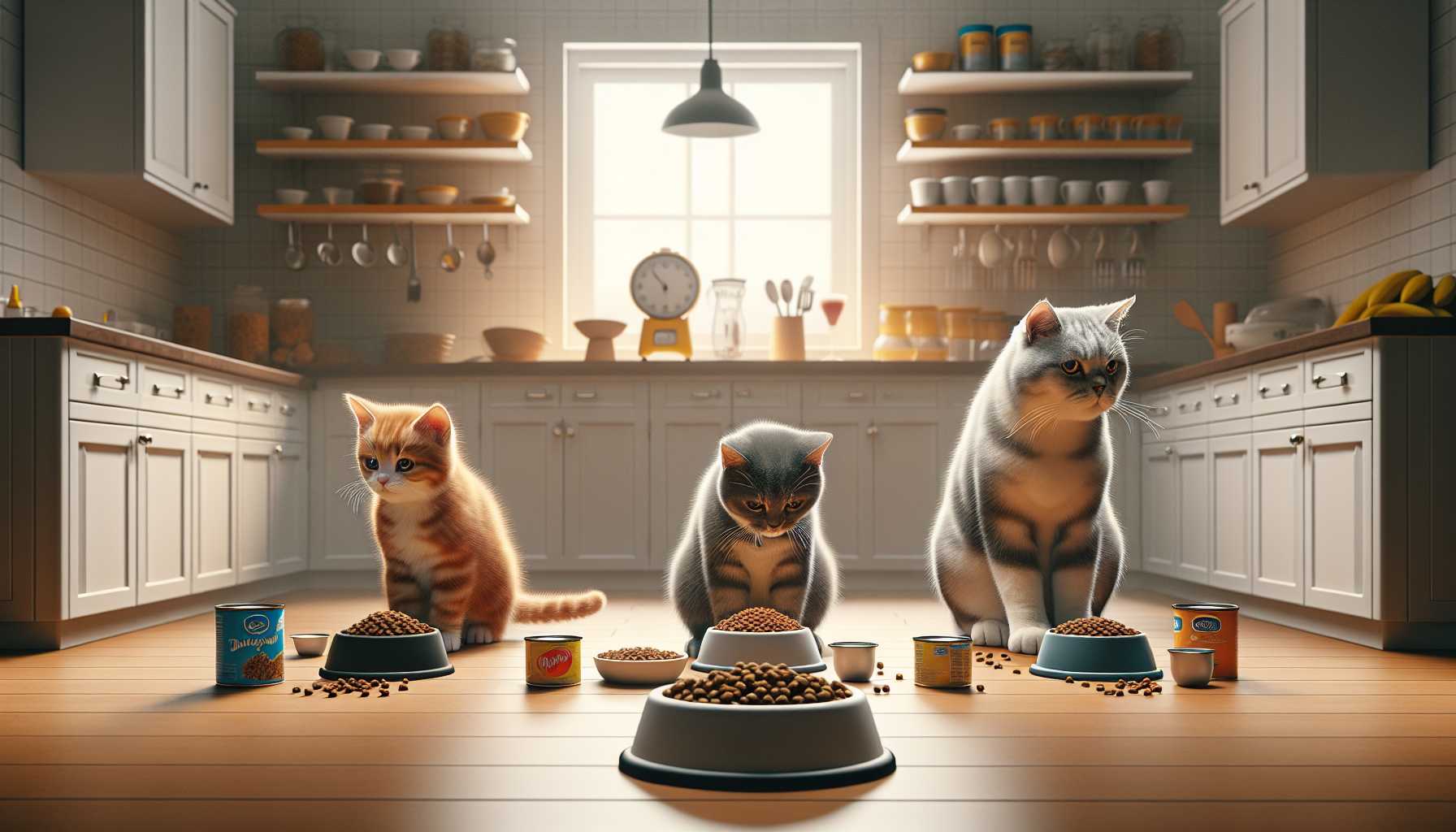
Navigating Your Cat's Evolving Nutritional Requirements
Cats, like humans, have varying dietary requirements as they age. Energetic kittens need more frequent meals than sedentary senior cats. Cats, throughout their lives, experience changes in metabolism, activity level, and digestive system.
Correct timing of feeding isn't merely about convenience; it has a direct bearing on your cat's health, weight, and general wellness. Now, let's explore what your cat necessitates at each stage of life.
Kitten Feeding Plan (0-12 months)
From Birth to 4 Weeks: Mother's Milk Phase
During the initial month, kittens are entirely dependent on their mother's milk. If you're caring for orphaned kittens, you should consider using kitten milk replacer, excluding cow's milk, as it might cause digestive problems.
Feeding interval: Every 2-3 hours, including overnight Food type: Mother's milk or kitten milk replacer exclusively
From 4 to 8 Weeks: Weaning Phase
This is the shift from milk to solid food. The transition stage should be managed gently with patience.
Feeding interval: 4-6 times daily Food type: - High-grade kitten wet food mixed with either warm water or milk replacer - Gradually reduce fluid content as they get accustomed to solid foods - Always make fresh water accessible
Expert advice: At first, the food should be soupy, then progressively thickened as the kittens' teeth develop.
From 8 Weeks to 6 Months: Rapid Growth Stage
At this phase, your kitten becomes an intense eater. Due to their rapid growth and boundless energy, they require a significant amount of feed to fuel their development.
Feeding interval: 3-4 times daily Food type: - Premium kitten food (Combination of wet and dry food is preferable) - Opt for food with a minimum protein content of 30% - Maintain small, frequent portions
Example schedule: - 7:00 AM - Breakfast - 12:00 PM - Lunch - 5:00 PM - Supper - 9:00 PM - Late-night snack (optional for very young kittens)
From 6 to 12 Months: Adolescent Phase
Your kitten is now transitioning into adolescence! They are still growing, but at a slower rate. You can start spacing out meals a little more.
Feeding frequency: 2-3 times daily Food type: - Continue with kitten food until 12 months - Amplify portion sizes as you diminish feeding frequency - Regularly check their body condition - their ribs should be slightly palpable but not visible
Adult Cat Feeding Plan (1-7 years)
Prime Years: 1-7 Years Old
Your little kitten has now grown into a full-grown cat. Their nutritional requirements have settled, making feeding schedules more manageable.
Feeding frequency: Twice daily Food type: - Superior adult cat food - Opt for food with 26-30% protein content - Combination of wet and dry food is ideal
Example schedule: - 7:00 AM - Breakfast - 7:00 PM - Supper
Portion guide: - Average indoor cat: 1/3 to 1/2 cup dry food daily - Alternatively, 5.5-6 oz wet food daily - Modify based on your cat's activity level and body condition
Special Considerations for Adult Cats
Indoor vs. Outdoor Cats: Indoor cats generally require fewer calories due to their lower activity levels. Outdoor cats exhaust more energy and might need larger meals.
Neutered/Spayed Cats: These cats usually have slower metabolisms. Keep an eye on their weight and control portions as required.
Multi-Cat Households: Feed cats separately to prevent food hoarding and ascertain every cat receives a fair share.
Senior Cat Feeding Plan (7+ years)
Golden Years: 7+ Years Old
Senior cats might experience varying appetites, dental problems, or health conditions affecting their eating habits. Paying special attention to their nutritional intake can assist them in aging gracefully.
Feeding frequency: 2-3 times daily (Smaller, more frequent meals are often easier for them to digest) Food type: - Senior-specific cat food or high-quality adult food - Softer textures if they are having dental problems - Foods that are rich in omega-3 fatty acids for joint health
Example schedule: - 7:00 AM - Breakfast - 1:00 PM - Light lunch (optional) - 6:00 PM - Supper
Special Needs for a Senior Cat
Hydration: Senior cats often don't drink enough water. Providing wet food becomes more important.
Digestibility: Opt for easily digestible foods. Your vet may propose prescription diets for specific health problems.
Appetite Changes: Some aged cats eat less due to diminished taste or smell. Slightly warming their food could help make it more appealing.
Scheduled Feeding vs. Free Feeding
Why Scheduled Feeding is Better
Though free feeding might seem convenient, scheduled feeding has significant benefits:
- Weight Control: You can monitor exactly how much your cat eats.
- Health Monitoring: Any appetite changes can be early indications of illness.
- Multi-Cat Harmony: Prevents food crowding amongst cats.
- Food Freshness: Wet food doesn't spoil, and dry food maintains its freshness longer.
Switching from Free Feeding
If your cat is used to grazing throughout the day, transition should be gradual:
- Initially put food down for 30 minutes, then remove it.
- Gradually reduce the time to 15-20 minutes.
- Teach your cat to eat when food is available.
- Be patient - this process may take a few weeks.
Portion Regulation and Weight Management
Determining the Appropriate Quantity
Individual cats have different requirements. Start with the feeding guidelines on your cat food package, then adjust according to:
- Body Condition: Ribs should be easily palpable, but not visible.
- Activity Level: Active cats require more calories compared to sedentary cats.
- Age and Health Status: Growing kittens and pregnant cats necessitate more food.
Indications of Correct Feeding Quantity
- Stable Weight: Adult cats should maintain consistent weight.
- Good Energy Levels: Not sluggish or hyperactive.
- Healthy Coat: Shiny and full, not dull or patchy.
- Regular Bathroom Habits: Consistent litter box usage.
Common Feeding Faults to Steer Clear Of
Overfeeding: The Unnoticed Issue
It's effortless to overfeed your beloved cats. Those adorable meows can be rationally convincing! However, obesity can lead to serious health issues like diabetes and joint problems.
Indicators of overfeeding: - Inability to feel your cat's ribs - Loss of visible waistline - Difficulty moving or climbing - Lethargy
Feeding Human Food
While it's tempting to share your meal, several human foods pose risks for cats. Ensure to give cat-specific treats and foods instead.
Never feed cats: - Chocolate - Onions and garlic - Grapes and raisins - Raw fish or eggs
Neglecting Water Needs
Cats naturally don't drink a lot of water, but hydration is critical. Keep fresh water readily available, and contemplate using a water fountain, as many cats prefer running water.
Establishing a Feeding Routine That Works
Consistency is Essential
Cats are creatures of habit and find comfort in routine. Regular feeding cycles can reduce anxiety and behavioral problems.
Suggestions for success: - Feed at consistent times each day. - Utilize the same bowls and feeding locations. - Keep mealtime quiet and free from stress. - Be patient during transitions.
Family Involvement
If you live with others, ensure everyone understands the feeding schedule to avoid overfeeding or missing meals.
Develop a simple chart outlining: - Feeding times - Portion sizes - Individual responsible for each meal - Any special directives
When to Seek Veterinary Advice
Regular Health Checks
Your vet is an invaluable ally in maintaining your cat's health. Regularly discuss your feeding routine with your vet and inquire about:
- Suitable food choices based on your cat's age and health
- Portion sizes and feeding frequency
- Any concerns about weight gain or changes in eating habits
Indications of Health Problems That Require Vet Advice
Contact your vet if you notice: - Sudden changes in appetite (either eating significantly more or less) - Rapid weight loss or gain - Difficulty chewing or swallowing - Vomiting after meals - Changes in bathroom habits
The Ultimate Aim: Caring Through Proper Nutrition
Proper feeding is a significant and practical way of expressing love to your cat. It's not just about filling their bowl - it's about providing the correct nutrition at the right times throughout their life.
Bear in mind, every cat differs. What works for your neighbor's cat might not be appropriate for yours. Pay attention to your cat's unique needs, maintain a consistent routine, and never hesitate to seek advice from your vet.
Your cat depends on you for their nutritional requirements and wellbeing. Adhering to this timeline and making necessary adjustments will equip them to live a long, healthy, and joyful life - the ultimate desire of every cat owner.
Witnessing the journey of a small kitten to a dignified senior cat is amazing. Providing suitable nutrition at every stage guarantees a beautifully rich companionship for many years. Your cat will undoubtedly appreciate you with purrs, cuddles, and possibly the occasional 'gift' of a dead mouse. It's just their unique way of expressing love!