Hydration Guide for Cats: Water Intake and Nutrition Balance
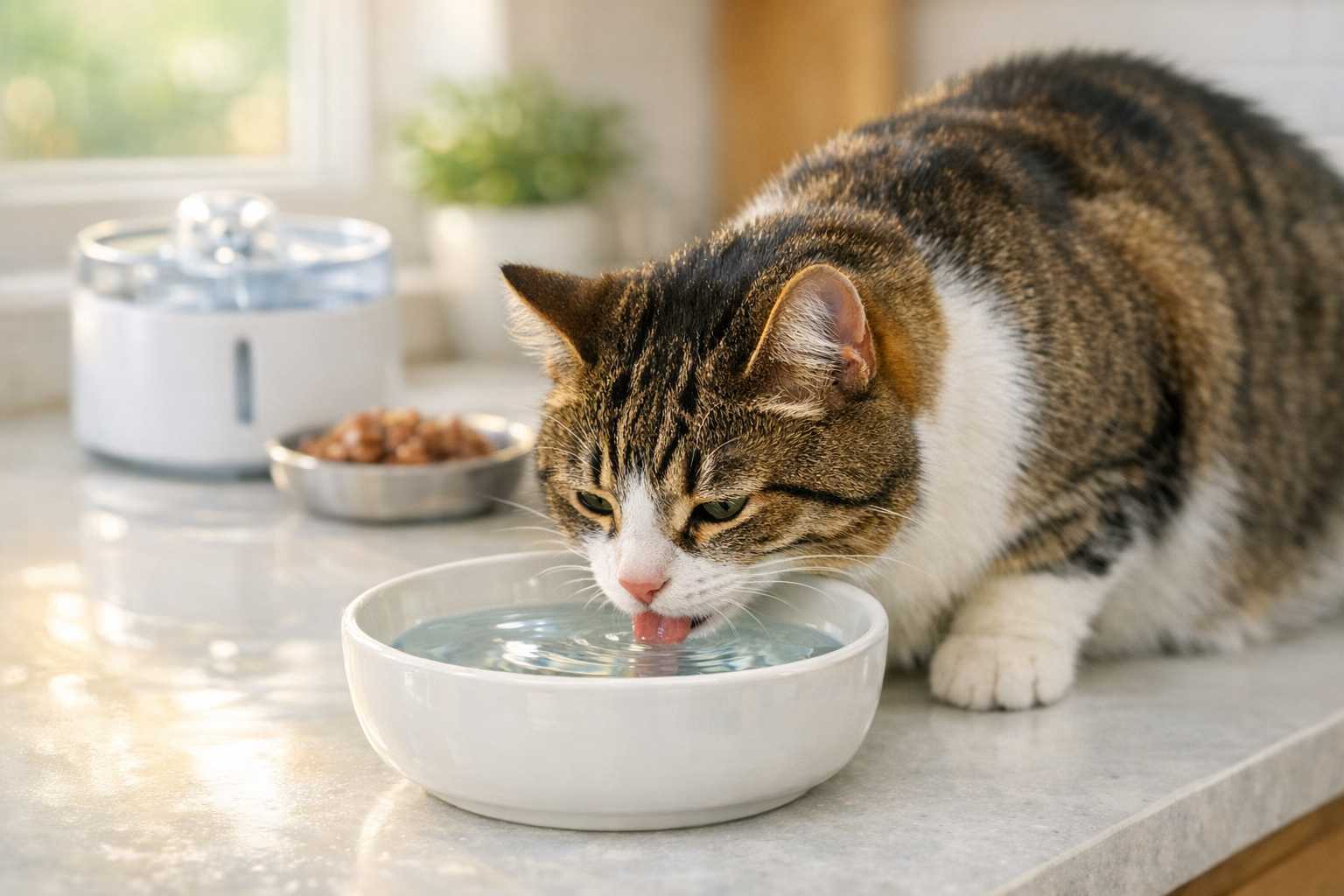
The Importance of Keeping Your Cat Hydrated
Cats don't often drink sufficient amounts of water due to their nature, a trait passed down from their desert-dwelling ancestors. Nonetheless, it's crucial for domesticated cats to have a well-regulated water intake for their optimal health.
Optimal hydration is integral for proper kidney function, prevention of urinary tract issues, aiding digestion, and keeping your cat's fur and skin healthy.
A dehydrated cat is at risk of developing grave health issues such as kidney disease, urinary blockages, and constipation. Hence, understanding your feline friend's hydration needs is a priority.
How Much Water Does Your Feline Friend Need?
The rule of thumb is for cats to take about 3.5 to 4.5 ounces of water per 5 pounds of body weight daily. This means a 10-pound cat should consume around 7-9 ounces of water daily. Cats in hot climates or those that are very active may need a higher water intake.
Different life stages, like being a kitten or older cat, and conditions such as pregnancy or nursing may require more water. Always check with your vet for personalized recommendations.
Indications Your Cat Might Be Dehydrated
Watch out for signs such as: - Less activity or lethargy - Dry, sticky gums - Loss of skin elasticity - Decreased appetite - Reduced urination frequency - Dark-colored, concentrated urine
One way to test for dehydration is the skin tent test: pinch the skin between your cat's shoulder blades. If it doesn't spring back quickly, your cat could be dehydrated.
The Role of Food in Hydration
Wet food is an excellent source of hydration for your cat, containing 70-80% water, while dry kibble has around 10% water content.
Cats that primarily eat wet food get much of their daily water requirement from their meals. In contrast, cats that eat dry food will need to drink significantly more water.
Consider alternating between wet and dry food to give your feline friend some variety while meeting their hydration needs.
Fun Ways to Encourage Your Cat to Drink More Water
Making Water More Inviting
Change your cat's water daily and clean their bowl often to prevent bacterial buildup. Many cats are attracted to running water, so investing in a cat water fountain might be helpful. Position the water bowls away from food and litter boxes as cats prefer their water source to be distant from these areas.
Providing Multiple Water Stations
Placing water bowls around the house where your cat often is can ensure they always have access to water. Try different bowl materials as some cats might prefer ceramic or glass over plastic, or shallow, wide bowls that don't brush against their whiskers.
Tricks with Temperature and Flavor
Some cats prefer room temperature water, while others may enjoy a bit of chill, especially in the summer.
Enhance the water's appeal by adding a dash of low-sodium chicken broth, but always ensure any additives are safe for cats. Using ice cubes can also serve as a playful hydration source as they play with them and get hydrated while they melt.
Special Considerations for Different Feline Life Stages
Kittens and Hydration
Kittens primarily get hydration from their mother's milk at first. When they start weaning, water should be introduced gradually. Give them water in shallow dishes for easy reaching. Keep a close eye on young cats for dehydration signs.
Hydration Needs for Senior Cats
Due to decreased mobility or illness, older cats might drink less, so make sure water is easily accessible at their regular lounging spots. Since senior cats are more susceptible to kidney problems, regular vet visits are advisable to keep tabs on their hydration and kidney health.
Cats with Health Conditions
Diabetic cats might need to drink more water than usual, which is normal, but keep a lookout for excessive consumption. If your cat has kidney disease, they will need additional attention to stay hydrated. Your vet should provide a specific hydration plan.
Hydration Mistakes to Steer Clear From
If your cat isn't the best water drinker, relying entirely on dry food isn't wise. Add wet food to their diet or find innovative ways to enhance their water consumption.
Dramatic changes in water drinking habits or any sign of trouble while urinating should not be overlooked. Increased or decreased water intake can be a sign of health problems.
Know When to Seek Help from Your Vet
Seek veterinary help if you notice drastic changes in drinking habits, dehydration signs even with sufficient water access, difficulty while urinating or blood in urine, or persistent loss of appetite or energy. Your vet can accurately assess your cat's hydration level and conduct any necessary tests to rule out underlying diseases.
Creating a Cat-Friendly Hydration Environment
Consistently fill your cat's water bowls and keep them clean. Establish a routine to refresh their water sources daily. Additionally, consider the humidity levels in your home. Dry air can necessitate a higher water intake for your cat.
Integrate water into playtime. Some cats love drinking from a dripping faucet after a play session.
The Bottom Line on Hydration for Cats
Hydration is a cornerstone to your cat's well-being. Pay close attention to your cat's preferences and hydration needs. Offer fresh water alongside wet food and keep tabs on their drinking habits.
Patience is needed as what works for one cat might not work for another. Different methods will be required until you find the one that suits your kitty best.
By caring for their hydration needs, you are investing in their health, improving their quality of life, and increasing their lifespan. By following this guide, you are making significant strides to becoming the best cat owner you can be.