Seasonal Cat Nutrition: Adjusting Diet Through the Year
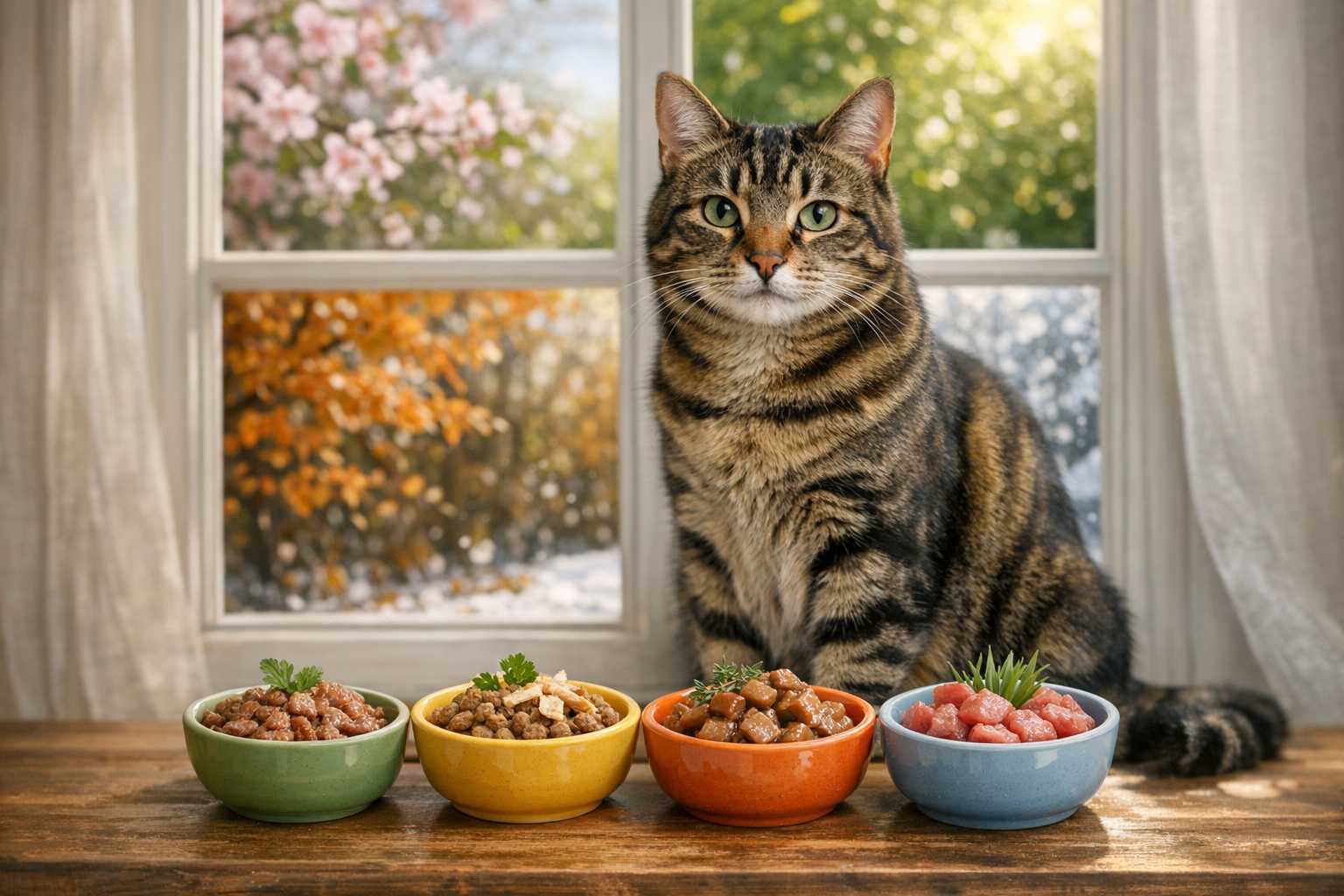
Tailoring Cat Nutrition Through the Seasons
Recognizing the seasonal influences on your cat's nutritional needs can go a long way towards ensuring they thrive throughout the year. Similar to humans, cats have different dietary requirements across the changing seasons.
Due to fluctuating metabolism, activity levels, and even mood swings correlated with the seasons, it's critical to adjust your cat's diet to match these modifications.
The Importance of Season-Specific Cat Nutrition
Cats are particularly affected by the changing seasons, a trait they inherited from their wild ancestors who were driven by food availability and weather fluctuations.
This genetic predisposition still regulates modern indoor cats, who often consume more food in winter and less in summer, even when food availability remains the same.
Their metabolism is influenced by temperature changes, with cold weather inducing an increase in caloric needs and hot weather leading to a decrease in appetite.
Adapting their diet to the seasons aids in avoiding winter weight gain and guarantees sufficient nutrition during energetic summer months.
Spring Nutrition For Your Cat: Setting a Fresh Tone
Spring’s arrival brings with it longer daylight hours and a warmer climate, often resulting in your cat being more active after a lethargic winter.
As activity levels start to climb, it's advisable to slightly lessen winter portion sizes. Many cats have a tendency to eat less as the weather heats up.
The onset of spring is also ideal for a mild detox. Try introducing fresh, cat-friendly herbs, such as parsley, to their meals.
Don't forget to carry out a spring clean on your cat's diet. Check and weed out any expired food and treats.
If your cat has added a few pounds over winter, spring is the opportune time to discuss weight management strategies with your vet and consider portion adjustments.
Summer Cat Nutrition: Overcoming the Heat
The summer heat can noticeably reduce your cat's appetite—it's not uncommon for them to eat less on particularly hot days.
Preventing dehydration becomes paramount during summer. Wet food can provide additional hydration compared to dry kibble alone.
Try serving smaller meals more frequently, as larger portions may be overwhelming in hot weather.
Maintain the freshness of your cat's food by storing it appropriately. Be aware that higher temperatures can cause food to spoil rapidly.
Some cats may favor room temperature food during summer, as opposed to cold food straight from the fridge.
Adding ice cubes to water bowls can stimulate drinking and also provide some entertainment for cats who like to play with floating ice cubes.
Fall Cat Nutrition: Gearing Up for Winter
The fall season usually heralds the preparation for winter. As daylight hours decrease, you may notice an increase in your cat's appetite.
This behavior is normal and stems from survival instincts—wild cats increase their food intake and gain weight to prepare for the colder winter months.
Consider slightly increasing portion sizes if your cat seems hungrier, but be careful to prevent excessive weight gain that can lead to obesity.
Fall is the preferred season to introduce dietary changes, as cats can more easily adapt to new foods before the stresses of winter kick in.
Try adding omega-3 fatty acids to their diet to promote a healthy winter coat, which requires additional nutritional support.
Regularly check your cat's physical condition. While a little extra winter weight is acceptable, obesity raises health concerns.
Winter Cat Nutrition: Maintaining Warmth and Health
Winter usually sees the highest caloric requirements for cats as the cold increases the energy needed to maintain body temperature.
Despite living indoors, cats still experience these metabolic changes since central heating cannot fully suppress innate responses.
Consider increasing food portions by 10-15% during the coldest months, while continuously monitoring your cat's physical conditions.
Protein is particularly important during winter as it provides energy and aids in maintaining muscle mass during periods of less activity.
Warming wet food slightly before serving could make it more appealing than cold food during winter.
Stick to regular feeding schedules despite shorter daylight hours to help regulate your cat's internal clock.
Specific Age-Related Seasonal Considerations
Kittens need a consistent healthy diet, irrespective of the season because they are growing rapidly and need an unchanging, high-quality diet all year round.
Senior cats might experience more difficulty adapting to seasonal changes and may need additional support in maintaining a healthy weight.
Elderly cats often feel the winter chill more acutely, and could require extra calories during the colder months.
Pregnant or nursing cats have specific seasonal needs. For example, the summer heat can be particularly tough on expectant mothers.
Always consult your vet regarding seasonal dietary adjustments for cats with special needs or requirements.
Important Hydration Changes Throughout the Seasons
Just as with food, your cat's water needs change with the seasons. Winter heating can lead to dry indoor environments, necessitating greater hydration.
Hot summer weather, unsurprisingly, also spikes fluid requirements. Look out for signs of dehydration during hot weather.
Fresh water should always be readily available to your cat. Change the water daily, and even more frequently during hot weather.
Setting up multiple water stations, by placing bowls in different rooms in your house, can stimulate drinking.
If your cat prefers moving water, consider using fountains to encourage increased water consumption throughout the year.
Indicators Your Cat’s Seasonal Nutrition Needs To Be Adjusted
Be on the lookout for appetite changes that persist for more than a few days. Seasonal changes should be gradual, not sudden.
Monitor your cat's weight on a monthly basis using a bathroom scale. Hold your cat and then subtract your own weight.
Your cat's energy levels should be seasonally appropriate - a lethargic cat during summer or hyperactive one in winter could indicate that dietary adjustments are necessary.
The quality of your cat's coat can reflect nutritional health. Dull, dry fur might hint at inadequate nutrition for that season.
Behavioral shifts can also point towards nutritional requirements. Excessive begging could mean a lack of sufficient food portions for that season's requirement.
Common Missteps to Avoid in Seasonal Nutrition
Avoid making drastic changes to your cat's diet every season. Gradual adjustments are more effective than sudden shifts.
Refrain from excessive feeding in winter. A little extra is beneficial, but it's important to remember that obesity can lead to varying health issues.
Never disregard a reduced appetite during summer. Ensure your cat still receives adequate nutrition, even though portions may be smaller.
Unless indicated, most cats don't require specially designed diets for extreme weather conditions. High-quality commercial cat food is effective all year round with portion adjustments made as necessary.
Under no circumstances should seasonal dietary changes serve as a reason for giving your cat scraps from your table. Human food can be harmful to cats.
Constructing a Comprehensive Nutrition Plan
Create a season-specific guideline in partnership with your vet—each cat's needs are distinct, so a tailored approach is crucial.
Maintain a record of your cat's feeding habits throughout the year, including appetite changes, weight variations, and seasonal patterns.
Be prepared for the transition between seasons. Keep on-hand suitable foods well before the weather shifts.
Consider your cat's unique personality and health conditions. Some cats may need more dramatic seasonal diet adjustments than others.
Regular vet checkups can help keep track of your seasonal nutrition plan’s effectiveness.
In Closing
Altering your cat's diet according to the season doesn't necessitate complex changes or costly special food. Just making simple modifications to portion sizes and feeding schedules can offer notable benefits.
Become attuned to your cat's natural patterns and shifts in appetite. Collaborate with their inherent instincts, instead of working against them.
Remember, each cat is unique, implying what works for one may not work for another.
The primary aim is to ensure your cat remains healthy and content throughout the year, and that seasonal nutritional adjustments are one of many tools within responsible pet ownership.
A carefully tailored diet will earn you your cat's gratitude, reflected in their improved health, stable weight, and year-round satisfaction. Start observing your cat's seasonal patterns today.