Taurine for Cats: Essential Amino Acid Nutrition Guide
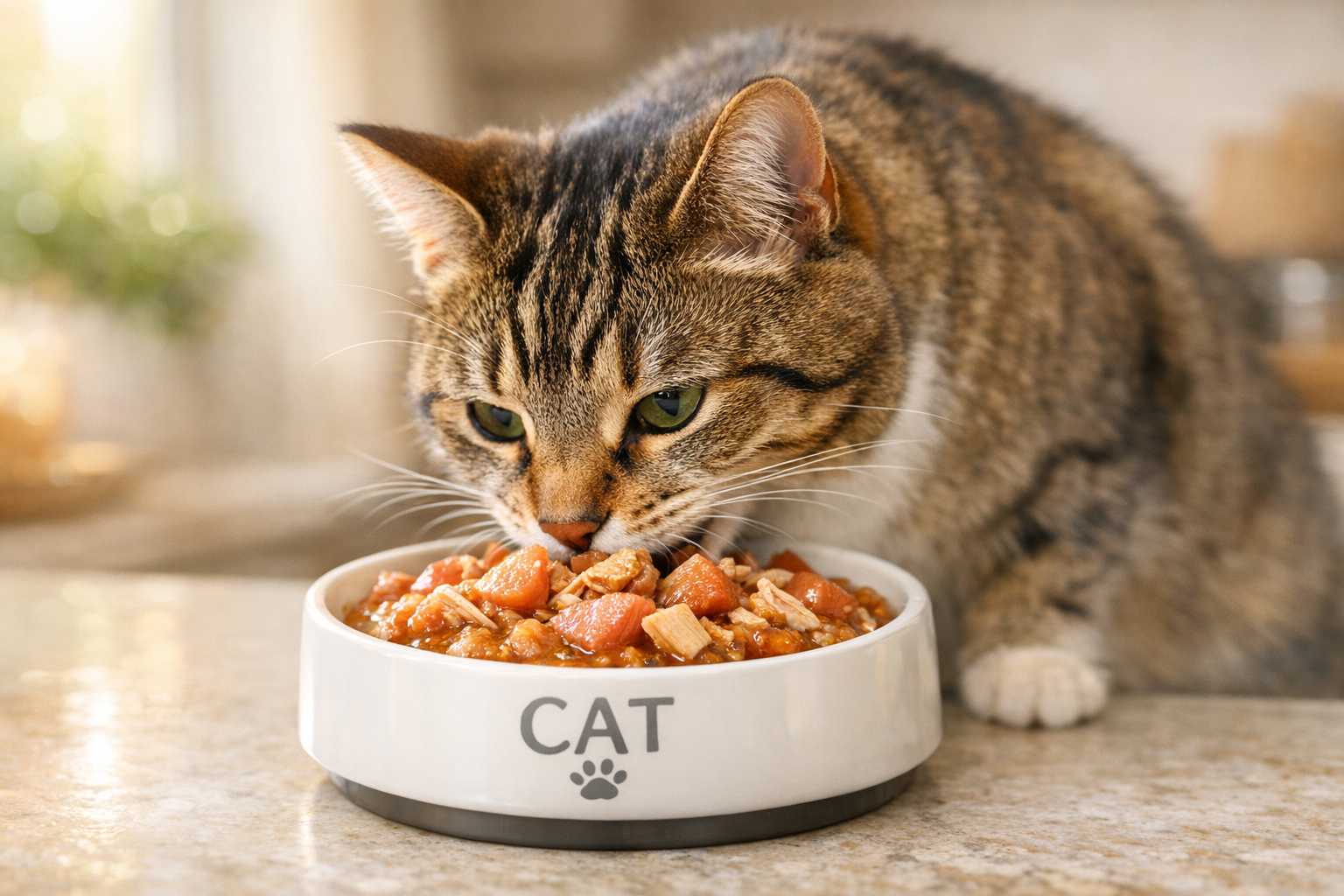
The Importance of Taurine in Your Cat's Diet: A Primer on Critical Amino Acids
For all the love and joy that your feline companion brings, you naturally want the best possible health for them. Essential to their well-being is taurine, a vital amino acid that plays a significant role in ensuring your beloved pet stays healthy and content.
In this guide, we delve into everything you need to understand about taurine and its remarkable importance to your cat.
Taurine: What is It and Why Does Your Cat Need It?
Taurine is a type of amino acid that is crucial for your cat's longevity. While humans and dogs can naturally produce an adequate amount of taurine, cats unfortunately cannot. This leaves them totally reliant on their diet for their taurine intake.
Ancient cats obtained a generous amount of taurine from hunting mice and birds, which are naturally rich in this vital nutrient. However, today's domestic cats look to us to supply them with the right nutrition.
Understanding taurine is of utmost importance, as a sufficient supply can make a life-saving difference, avoiding various serious health issues.
Key Roles of Taurine in Feline Health
Taurine acts as a multi-functional force in your cat's system, promoting various crucial biological activities.
Cardiovascular Health
Taurine is key to supporting the strength and rhythm of your cat's heart muscle. Lack of adequate taurine could lead to dilated cardiomyopathy, a severe heart condition in cats.
Eye Health and Vision Support
A hefty concentrate of taurine is located in your cat's retina—it's a pivotal component of maintaining clear vision and keeping the eyes healthy. Taurine deficiency in cats can, unfortunately, lead to impaired vision, or worse, blindness.
Digestive Health
Taurine plays a fundamental role in the production of bile acids, which are critical for proper digestion of fats. Your cat needs taurine to effectively process fat and absorb fat-soluble vitamins.
Reproductive Health
In the arena of reproduction, taurine is also vital. Female cats require a sufficient amount of this amino acid for a healthy pregnancy and the correct development of kittens.
Spotting Taurine Deficiency in Cats
Taurine deficiency tends to develop gradually, making it challenging to detect in the early stages. Yet, being aware of the potential red flags can guard your furry friend against detrimental health risks.
Early Warning Indicators
Keenly watch for any unusual changes in your cat's health or behavior:
- Lowered energy levels
- Deteriorated quality of the coat
- Reduced appetite
- Unexpected weight loss
- Increased lethargy
Severe Health Complications
If the deficiency persists, more serious complications may ensue:
- Cardiovascular disease (specifically dilated cardiomyopathy)
- Vision impairment or blindness
- Reproduction-related issues
- Weakened immune system
- Poor growth in kittens
If these symptoms appear, take immediate action—seek professional consultation and treatment from your veterinarian.
Naturally Sourced Taurine for Cats
Knowing where taurine naturally occurs can assist in making informed decisions for your cat's diet.
Animal-Based Protein Sources
Cats, being obligate carnivores, derive taurine primarily from animal tissue:
- Dark fish, such as tuna and salmon
- Poultry like chicken and turkey
- Red meat (beef and lamb)
- Seafood including shellfish
- Organ meats (heart, liver, kidney)
Why Plant-Based Diets Fall Short
Vegetation contains almost no taurine, explaining why vegetarian or vegan diets do not suit cats. Cat biology requires animal protein for their wellbeing.
Even though certain well-meaning cat foods of plant-based origin may incorporate synthetic taurine, such diets usually fall short of the optimal nutritional profile. Cats have evolved to obtain nutrients from whole-prey animals.
Selecting Appropriate Cat Food Richly Supplying Taurine
When it comes to taurine content, not all cat foods are equal. Informed choices about this can defend your cat's wellbeing over the long run.
Commercial Cat Food Standards
Reliable cat-food manufacturers include taurine within their product to meet AAFCO (Association of American Feed Control Officials) standards. Opt for meals that adhere to these nutritional norms.
Highly rated commercial foods typically feature 0.1% taurine in dry food and 0.2% in wet food; quantities that avert deficiency in the majority of cats.
Decoding Cat Food Labels
When purchasing food for your cat, ensure that:
- Taurine is listed as an ingredient
- The food comes with "complete and balanced" nutrition claims
- The product meets AAFCO standards
- Absurdly cheap food items are bypassed
Wet Food vs. Dry Food
Both types of food can provide sufficient taurine. However, wet food often offers higher concentrations of taurine and a healthier moisture content. Consequently, many veterinarians suggest including wet food in your cat's dietary plan.
Adjusting for Different Stages in Your Cat's Life
Your cat's requirement for taurine might vary depending on their age, health condition, and life events.
Cats in the Kittens and Growing Phase
Given their requirement for proper development, kittens require an excess of taurine. Opt for specific kitten formulas with amplified nutrient quantities to assist in their healthy growth and development.
Senior Cats
Senior cats may have unique nutritional needs and might thrive on easily digestible foods with competent taurine levels. It is recommended to discuss their dietary needs with a vet.
Cats in Pregnancy and Lactation
Pregnant and nursing cats require more taurine than usual. Kitten food often provides the needed nutrients for these demanding periods.
Collaborating with Your Veterinarian
Your veterinarian plays a pivotal role in guaranteeing your cat receives well-rounded nutrition. Regular health check-ups help in early detection of potential health threats.
When to Seek Professional Help
Contact your vet without delay when you notice:
- Drastic changes in your cat's eating habits
- Unusual slow-moving activity or behavioral shifts
- Vision-related abnormalities
- Symptoms relating to the heart
- Any queries about your feline's diet
Diagnostic Evaluations
Upon suspicion of taurine deficiency, your vet may propose:
- Blood tests to measure taurine concentration
- Cardiovascular examinations
- Eye screenings
- Comprehensive nutritional review
Adopt Prevention as Your Best Strategy
Preventing deficiencies is always simpler than treating the diseases that result from them. Implementing basic prevention approaches can be highly successful.
Choose Superior Cat Food Brands
Choose trustworthy cat food brands that comply with nutritional standards. High-grade food may cost more at the outset but typically results in savings on future vet bills.
Do not Prepare Homemade Diets Without Expert Guidance
Cat diets prepared at home might be inadequate in nutrients without expert guidance. If you choose to cook for your cat, collaborate with a veterinary dietitian to devise balanced menus.
Regular Vet Check-ups
Periodic vet consultations can detect issues early. Your vet can evaluate your cat's general health and nutritional standing.
The Takeaway: Your Cat Relies on Your Choices
You can entirely prevent taurine deficiency by providing appropriate nutrition. Your feline friend trusts you to supply the necessary nutrients for a long, healthy life.
Invest in high-end commercial cat foods that meet nutritional standards. Stay vigilant about your pet's health and behavior. Work with your vet to ascertain optimal nutrition.
Cats have distinct dietary requirements compared to other pets, with taurine serving as a stark example. Understanding the importance of taurine enables you to provide necessary care for your feline. With the right food choices, your pet cat can lead a lengthy, healthy, and content life with you.