Cat Scratch Post Maintenance: Longevity Tips Guide
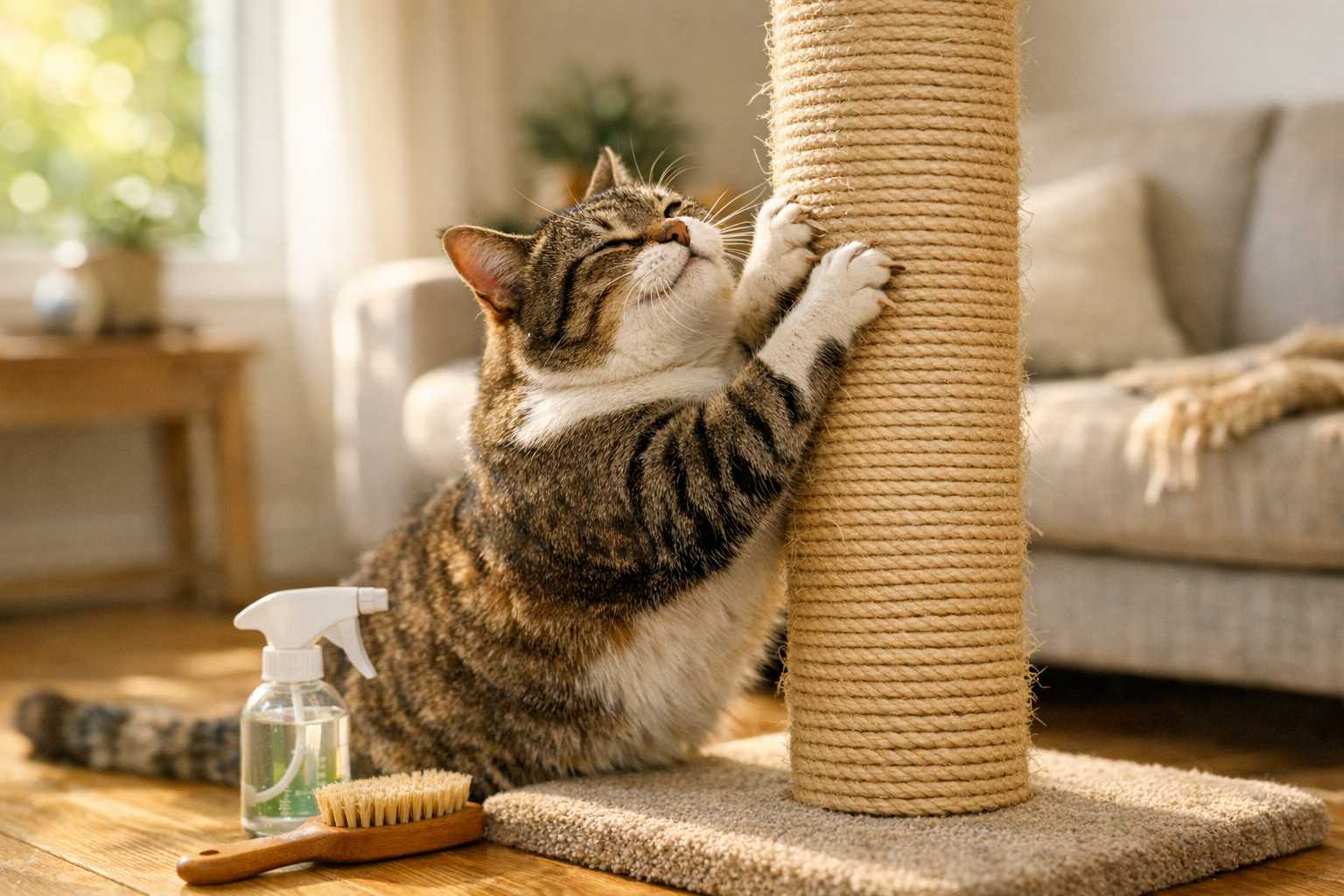
Everything You Need to Know About Extending the Lifespan of Your Cat's Scratching Post
Your cat's scratching post is much more than a simple plaything. It acts as their personal gym, a stress reliever, and even a marker of their territory. But, like anything that is frequently used, it demands regular care and maintenance to last long.
Over the years, I've guided many cat owners on how to increase the longevity of their cat's scratching post and, today, I'm excited to share all those handy tips with you.
The Importance of Scratch Post Maintenance
Consider how often your cat uses the scratching post in a single day and you'll appreciate the level of wear and tear it endures. Without regular maintenance, even the most robust scratching post will eventually become frail or loosen, and ultimately collapse.
Maintaining the post in a clean and stable condition not only prolongs its lifespan but also keeps your cat happy, as felines usually favor clean, sturdy surfaces for scratching. Moreover, ensuring your cat's scratching post remains appealing helps to safeguard your furniture from those sharp cat claws.
Everyday Care for The Scratch Post
Regular Checks
Every few days, take a moment to inspect the scratch post for signs of wear - such as loose threads, wobbling, or noticeable wear and tear. A quick, early response to smaller issues can prevent them from turning into bigger, more significant problems. I usually make this brief inspection part of my morning routine.
Clearing Loose Materials
As your cat scratches, it shears off hair and sisal fibers which quickly accumulate on the post. Regularly brush these off to keep the post clean and tidy. You can use either your hand or a soft brush for this, taking care not to yank at loose threads if there are any.
Weekly Deep Cleaning Routine
Vacuuming the Scratch Post
Your vacuum cleaner is an effective tool for keeping the scratching post clean. Use the brush attachment to remove ingrained hair and other debris. Start from the top and gradually work your way down, paying careful attention to horizontal surfaces where bits of debris are likely to gather. Don’t overlook the base - it usually holds more debris than you’d think.
Safe Disinfection
Remember that cats have a high sensitivity to chemicals, so using pet-safe cleaners or a homemade solution of diluted white vinegar is advisable. Lightly mist the solution on the post before wiping it off with a damp cloth. Make sure to let the post dry entirely before allowing your cat to use it again. Avoid using bleach or other harsh chemicals.
How to Handle Typical Wear and Tear
Handling Fraying Sisal
Frayed sisal rope might look messy but doesn't necessarily mean the post needs replacing. All you need to do is trim the loose ends close to the base, being careful not to damage the intact rope beneath. If the fraying is extensive, rewrapping that section might be more efficient than replacing the whole post.
Fixing Loose Parts
With time, scratching posts become loose. Make a point of inspecting all the screws and bolts every month to ensure they're tight. When doing so, be careful not to overtighten and strip the threads. If the screws no longer hold tightly, you may need to use thread lockers or replace them with slightly larger screws.
Repairing Carpeted Surfaces
Carpeted surfaces tend to rip or detach. Small tears can often be fixed with fabric glue. Just clean the affected area first, apply the glue according to the instructions, and press firmly. Larger damages might need carpet patches that you can cut from matching carpet remnants. You can find repair kits designed for scratching posts at most pet stores.
Tips for Extending Your Post’s Lifespan
Rotating the Post
If your scratching post has multiple surfaces, motivate your cat to use all of them uniformly. You could position treats or sprinkle some catnip on less frequented areas to guide your feline friend. By doing so, you'll prevent the overuse of one spot while others remain untouched - it's similar to tire rotation on your car.
Strategic Moving
Relocating your scratching post periodically could help prevent concentrated wear patterns. Cats adapt quickly to changes, especially if the move is gradual. Just ensure the new location is near their preferred places of rest and within viewing distance of windows.
Extra Protection
Place removable protective covers such as sisal mats or carpet squares on areas that experience frequent use. When these wear out, replace them instead of the whole post.
When to Repair or Replace Your Scratch Post
When is Repairing an Option?
DIY repairs can typically solve issues such as minor carpet damage, loose sisal rope, or unstable bases. As long as the core structure is robust, often repairing is a worthwhile endeavor.
Signs a Replacement is Needed
If the base has split, the central post cracks, or the damage extends beyond 50% of the post’s surface, it’s likely time for a replacement. Always prioritize safety: a collapsing post could injure your feline companion. Also, consider your time investment. When repairs take longer than purchasing a new post, it might not be worth it.
Repairing the Scratch Post Yourself
Reattaching Sisal Rope
This process starts with unraveling the worn-out rope and cleaning the post surface. Start winding from the base upwards, tightly tucking each length of rope as you go.
Use robust staples or screws to secure the starting end of the rope. Ensure you overlap each winding slightly to avoid gaps and use the same method to secure the top end. Doing this can be a slow process, but it could save you a tidy sum in the long run.
Reinforcing Weak Structures
Install metal brackets to bolster loose connections. L-brackets are ideal for base attachments, and you should use screws suitable for your specific post's materials.
If you're working with a wooden post, combine wood glue and screws. This creates a super-strong joint. Remember to clean the surfaces carefully before applying the adhesive.
Seeking Professional Maintenance Assistance
When Should You Call the Pros?
Sometimes, it's necessary to enlist professional help - particularly for complex repairs or valuable posts. Specialists in pet furniture can suggest enhancements during the repair process, making the post even more appealing to your cat.
If you're not adept with DIY, getting a professional quote might be cheaper than buying a new post.
Financial Aspects
Most simple repairs will cost between $30 and $50. Compare this cost with the price of a new scratching post. Also, acknowledge your cat's fondness for their familiar post - remember, cats can be resistant to change.
Seasonal Scratch Post Maintenance
Summer Upkeep
During summers, the heat and humidity can affect the post’s condition. In the shedding season, increase the cleaning frequency and check for signs of mold or mildew. Although air conditioning can help, be sure there’s enough air circulation around the post.
Winter Care
Dry winter air can make sisal fibers brittle. Spritzing them lightly (not soaking them) can help preserve their flexibility. Also, be mindful that static electricity can increase debris attraction, necessitating more frequent vacuuming.
Setting a Maintenance Schedule
Monthly Tasks
- Run a deep clean on all surfaces
- Inspect for damages and check all hardware
- Trim any loose threads or carpet edges
Quarterly Tasks
- Evaluate the overall condition
- Schedule necessary repairs
- Consider rotating or relocating the post
- Refill supplies for maintenance
Wrapping Up
Maintaining a cat scratch post is neither difficult nor complex. However, it contributes significantly to ensuring your cat has a clean, safe surface for scratching, and you save money by prolonging the post's lifespan.
Start with daily inspections and weekly cleanings, and then manage minor problems before they grow into serious ones. Your cat will appreciate this effort and enjoy years of contented scratching on the post rather than your furniture!
Remember, each cat and scratch post is unique. Keep your cat's preferences in mind and adapt these tips to suit your specific situation. Regular care and attention are the keys to success.
With correct maintenance, a well-made scratching post can last for years, and that's beneficial for everyone in your family - your furniture included!