Non-Clumping vs Clumping Litter: Complete Comparison Guide
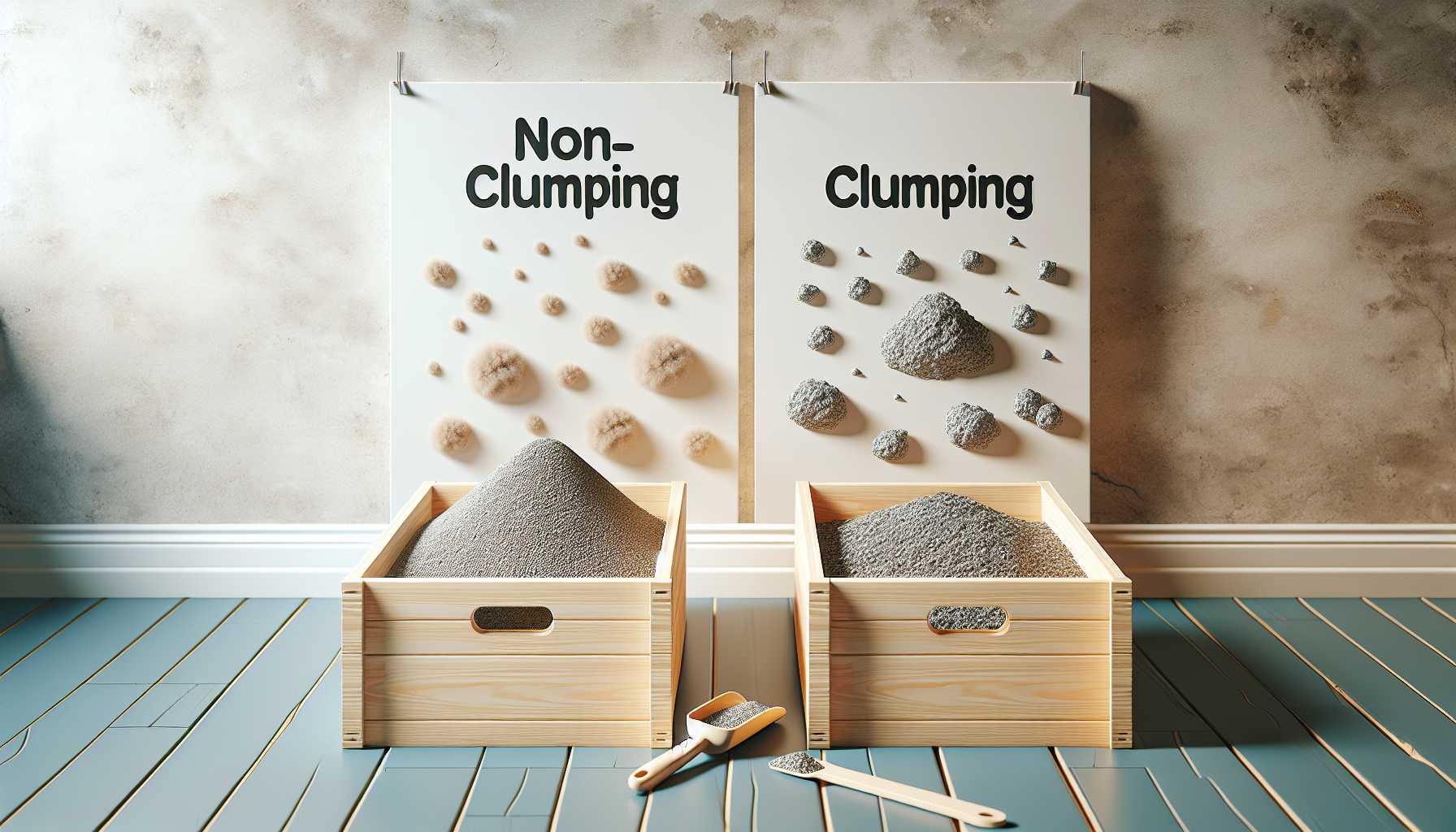
Comparing Non-Clumping and Clumping Cat Litter: Your Complete Guide
Selecting the correct cat litter may seem like a daunting task. Your furry friend deserves nothing but the best, but which kind of litter should you choose?
In this guide, we'll demystify everything you need to understand about non-clumping and clumping litters. By the end of it, you'll be able to confidently pick the ideal choice for your pet cat.
Understanding Non-Clumping Cat Litter
Non-clumping litter works by absorbing moisture without creating compact clumps. It's akin to a sponge absorbing liquid.
This traditional variety of litter has been around for several years, and it's made from materials such as clay, wood chips, or recycled paper.
When your cat uses the litter box, the litter absorbs the urine without clumping together into scoop-friendly lumps.
Understanding Clumping Cat Litter
When clumping litter comes into contact with moisture, it forms solid masses that can be easily scooped out.
Bentonite clay is commonly used in most clumping litters. This specialty clay expands and adheres together when wet, resulting in clean, easily removable clumps, which simplify the cleaning process.
How Does Non-Clumping Litter Work?
Non-clumping litter banks on its absorptive property. The granules act as tiny sponges soaking up liquid throughout the box.
Over time, the entire bed of litter becomes drenched. Full replacement of the litter becomes necessary at regular intervals.
Some brands offer options that include odor-controlling crystals or baking soda to help keep unpleasant smells in check between changes.
How Does Clumping Litter Work?
Once urine touches the surface of the clumping litter, the granules in the vicinity immediately conglomerate.
This results in a solid clump that can be easily discarded. The remaining litter stays clean and dry.
Just remove the clumps daily and replenish the box with fresh litter as needed.
Pros and Cons of Non-Clumping Litter
Advantages of Non-Clumping Litter
Affordability: Non-clumping litter is popular because it’s affordable.
Lower Dust Levels: Cats with respiratory sensitivities stand to benefit from this.
Safe for Kittens: It's safer for kittens under 12 weeks old. They won’t risk intestinal blockage if they ingest small amounts.
Lightweight: Easy to carry back from the store.
Disadvantages of Non-Clumping Litter
Requires Regular Complete Changes: This might require more effort.
Odor Control: Managing unpleasant smells might be a challenge.
Waste Levels: You tend to throw away clean litter with the soiled parts.
Tracking: Some lightweight materials might get tracked around the house.
Pros and Cons of Clumping Litter
Advantages of Clumping Litter
Easy Maintenance: Scooping daily keeps the litter box fresh.
Better Odor Control: Traps the smell within the clumps, maintaining freshness in your home.
Cost-Effective: Since you only get rid of the soiled parts, it's economical in the long run.
Less Waste: More eco-friendly as you don't discard the entire batch of clean litter.
Disadvantages of Clumping Litter
Higher Initial Cost: The upfront cost might be a burden on a restrictive budget.
Can Be Dusty: Some formulas could be dustier which may affect sensitive cats.
Not Ideal for Kittens: Kittens who ingest the litter could face potential blockages.
Heavier Weight: Might be burdensome to transport from the store.
Cost Comparison
Digging into the numbers, non-clumping litter is cheaper per bag, typically $5-15.
Clumping litter, on the other hand, costs around $8-25 per bag. High-end options cost even more.
However, monthly costs for clumping litter tend to be lower, since you replace a smaller amount rather than the entire box.
Non-clumping litter requires complete overhaul 2-3 times a week, which can quickly prove costly for multi-cat households.
The Odor Control Challenge
Clumping litter definitively wins the odor control challenge. Its solid clumps successfully trap smells.
Non-clumping litter falls short when it comes to managing odor. Urine permeates throughout the box, leading to persistent odors.
However, some high-quality non-clumping options come with potent odor eliminators that can give a competition to standard clumping formulas.
Crystal-based non-clumping litters generally have a superior odor control compared to clay versions.
Maintenance and Cleaning
Routine care differs widely between the two types.
With clumping litter, removing clumps once or twice daily will suffice. Refill the box with fresh litter as necessary, and do a deep clean once a month.
Non-clumping litter requires stirring daily and complete box replacement 2-3 times a week - definitely more work.
Busy cat parents often opt for clumping litter for its convenience, while those with more time may not mind the extra effort required for non-clumping variants.
Impact on the Environment
Each type has environmental ramifications worthy of a discussion.
Clumping litter often uses sodium bentonite clay that necessitates strip mining, impacting landscapes. However, it calls for less regular disposal, resulting in fewer trips to the landfill.
Non-clumping litters offer more eco-friendly alternatives like recycled paper, wood chips, and those made from corn. However, the frequent need for replacements leads to more waste.
Cat Preferences: Clumping vs. Non-Clumping
Most cats seem quite adaptable and don't show strong preferences between clumping and non-clumping litters.
However, certain trends can be observed among feline owners.
Senior cats with arthritis may find it challenging to step into a heavy clumping litter box. Non-clumping alternatives could be easier for them.
Cats with respiratory problems might prefer low-dust non-clumping options.
Multi-cat households generally appreciate the superior odor control offered by clumping litter.
Ideal Situations for Non-Clumping Litter
Budget Constraints: The lower price makes non-clumping litter an attractive choice.
Houses with young kittens should use non-clumping litter until the kittens are 12 weeks old.
Cats with respiratory issues might prefer non-clumping litter with low dust content.
Elderly cat owners might find it easier to handle the lightweight non-clumping alternatives.
Ideal Situations for Clumping Litter
Households with Multiple Cats: The superior odor control and easy maintenance of clumping litter are definite advantages.
Busy Lifestyle: Clumping litter's easy daily maintenance routine is perfect for those with busy schedules.
Long-Term Costs: Clumping litter is more economical in the long run because you use less on a monthly basis.
Odor Sensitivity: If humans in the house are sensitive to smells, clumping litter is the clear choice.
Choosing the Right Litter for Your Cat
Consider your specific circumstances carefully. There's no one-size-fits-all "best" choice.
Budget, both immediate and long term, is one of the key considerations. Available time for maintenance is also a significant factor.
Take into account your cat's age, health and any sensitivities they might have. If you have more than one cat, that can drastically alter the decision.
Feel free to experiment. Often, cat parents try both types before finalizing their preference.
In Conclusion
Both non-clumping and clumping litters serve their purpose in feline care. The best choice for you will depend on your individual situation.
Non-clumping litter is an excellent choice for budget-conscious households and for those with young kittens. It's a simple and direct option.
On the other hand, clumping litter wins favor in busy households or homes with multiple cats, owing to its unmatched convenience.
Remember, the ideal litter is the one that satisfies both you and your cat. Don't stress too much about getting it perfect - experiment till you find your favorite.
Your cat will appreciate a clean litter box, regardless of the type of litter used. Your primary focus should be on keeping it clean and well-maintained. A well kept litter box will keep both you and your feline companion purring with contentment.