Special Needs Rescue Cats: Comprehensive Care Guide
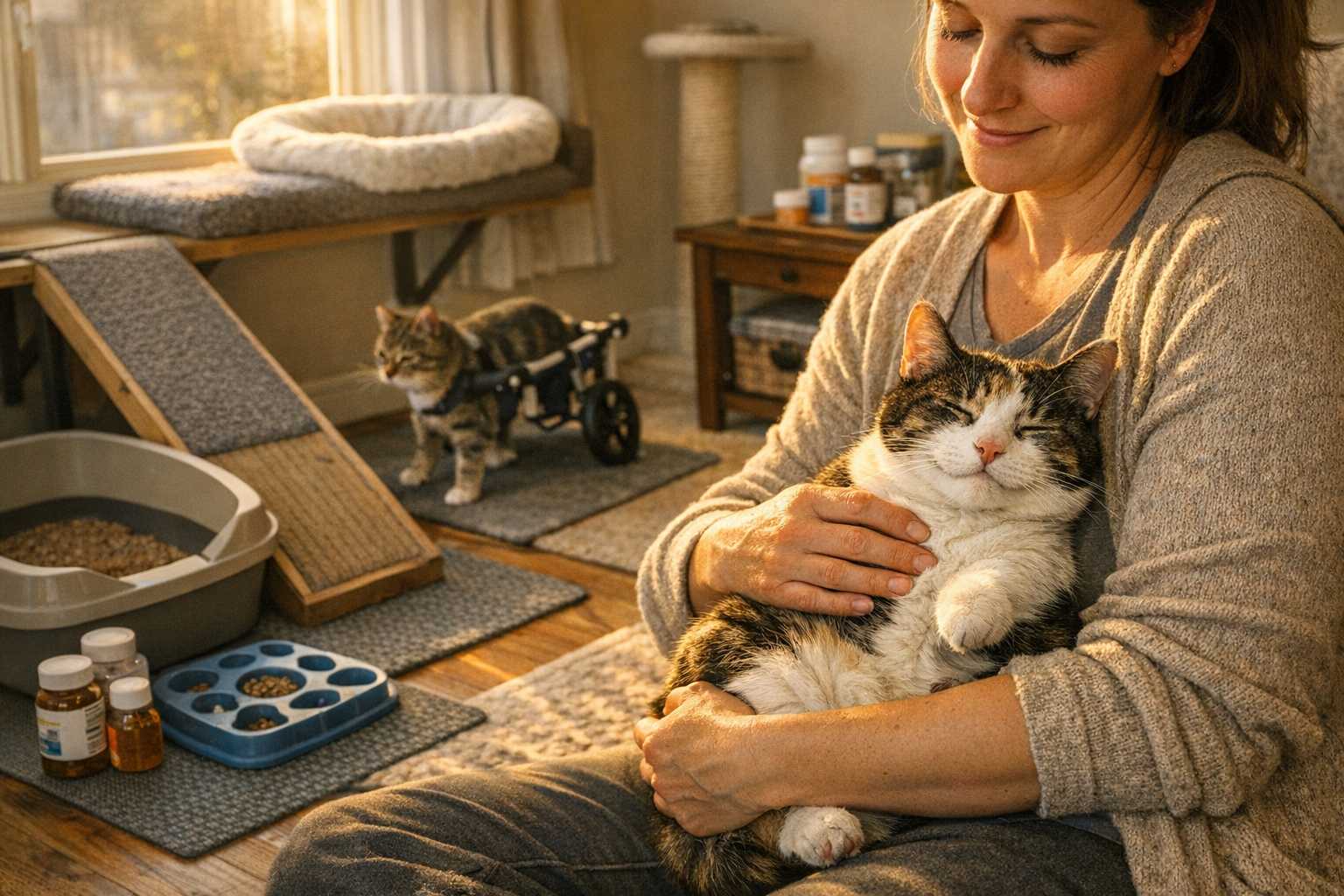
A Comprehensive Guide to Caring for Special Needs Rescue Cats
Choosing to provide a home for a special needs rescue cat can be immensely fulfilling. While these extraordinary felines require a touch more TLC, with the right care, they can enjoy thriving, gratifying lives that will warm your heart every day.
Understanding the Care Needs of Special Rescue Cats
Special needs cats have the same heart and spirit as other cats. They show the same affection, engage in play, and purr just as enthusiastically. The only difference lies in their need for some additional help.
Special needs can range from blindness or deafness to mobility problems or chronic disorders. However, each of these cats has unique needs. But don't be apprehensive—these cats adapt remarkably well.
Sadly, special needs cats are often overlooked at animal shelters, resulting in longer waiting times to find their forever homes. Your care and companionship could be the love these cats have been longing for.
Typical Special Needs in Cats
Visual Impairment
Blind cats can astoundingly navigate their surroundings using their other senses. You might find that many blind cats are just as playful and active as their sighted counterparts.
Hearing Impairment
Cats with hearing loss typically rely on visual cues and vibrations. They tend to be especially alert to their human companion's movements and can often form strong familial bonds, becoming very affectionate.
Problems with Mobility
Cats with a missing limb or paralysis show an incredible ability to adapt. They quickly learn to use their bodies in ways that work best for them; many three-legged cats can bounce around as if nothing happened.
Chronic Health Concerns
There are cats that require daily medication or bespoke diets due to chronic conditions such as diabetes, kidney disease, or heart conditions. These conditions can be managed effectively with the appropriate care and frequent vet visits.
Making Your Home Safe for Them
Your home becomes a safe haven for these felines, thus safety should be your chief concern while prepping your house for a special needs cat.
Eliminate potential dangers like sharp corners or poisonous plants. Retain the arrangement of your furniture consistently to help them memorize their surroundings.
Designate several comfort areas throughout your home with soft blankets and cushions for additional support. Ensure easily accessible areas for food, water, and litter boxes.
Basic Daily Care
Food and Nutrition
Cats with special needs may require certain adaptations to their feeding arrangements. Elevated bowls can aid cats with mobility issues, and some might need softer foods or specific diets.
Collaborate with your vet to design the best dietary plan. Regular meal times aid in the establishment of routines while easily reachable fresh water is a must.
Grooming and Hygiene
Certain cats might require extra assistance with grooming. Cats with paralysis can't clean themselves well. Routine brushing can prevent their fur from matting and keeps them comfortable.
Keep an eye out for skin problems or pressure sores, keep their sleeping areas neat and dry. For cats with mobility issues, baths might be necessary.
Exercise and Mental Stimulation
Every cat needs mental and physical stimulation, regardless of their abilities. Alter toys and activities to suit their needs - puzzle feeders are perfect for cats with impaired vision or mobility.
Match their energy levels during interactive play sessions. Even a simple feather wand can provide endless fun. Mental stimulation is equally essential as physical exercise.
Medical Surveillance and Care
Regular veterinary care is essential for special needs cats. Establish a relationship with a vet experienced in special needs cases. Some conditions require frequent monitoring and medication adjustments.
Maintain detailed records of their health and behavioral changes. Make a note of any changes in appetite, mobility, or temperament. Catching problems early leads to better outcomes.
Being prepared for emergencies is vital. Know the location of your nearest 24-hour animal hospital and keep essential medical records handy.
Building Deep Bonds
Special needs cats often establish an incredibly strong bond with their caregivers. They are sensitive towards the extra care you're providing, leading to an extraordinary relationship.
Be patient during the settling-in period as every cat adjusts at their own speed. Some gain confidence immediately, while others might take weeks to feel comfortable.
Establishing routine activities helps build trust and security. Use vocal cues as they learn to identify your voice. Gentle touch and slow movements assure them of their safety.
Essential Amenities and Adjustments
Supportive Devices for Mobility
Cat wheelchairs are wonderful inventions that give paralyzed cats the freedom to move around. Ramps facilitate cats with jumping difficulties to reach their favorite spots.
Orthopedic beds are great for providing extra joint support. Non-slip mats prevent accidents on smooth surfaces. These adaptations can significantly enhance their comfort.
Changes in Feeding
Elevated food bowls decrease the strain on the neck. Some cats might find wider, shallow bowls more convenient. Automatic feeders help maintain regular meal times.
Puzzle feeders are great for mental stimulation, and slow-feeder bowls prevent choking. Water fountains are a good way to encourage proper hydration.
Alterations to the Litter Box
Low-entry litter boxes are beneficial for cats with mobility restrictions. Larger boxes offer more room to move. Some cats might need assistance getting in and out.
Absorbent mats can help to clean up spills quickly. Easy-to-clean surfaces make maintenance more manageable. Multiple litter boxes around the house can make access easier.
Emotional Support and Enrichment
Providing emotional support and enrichment to special needs cats is no different than other cats. They desire to feel loved, secure, and entertained, and your patience and understanding mean the world to them.
Set up routines that promote feelings of safety. Regular conversations and gentle cuddles are comforting and encourage a strong bond.
Choose enrichment activities suitable for their abilities. Window perches provide visual stimulation. Mentally engaging toys and treat puzzles are also great options.
Coordinating with Veterinary Specialists
Find a vet that understands and has expertise with special needs cats. They should provide thorough examinations with patience. Effective communication with your vet is crucial.
Don’t hesitate to ask questions concerning their condition, acquaint yourself with the symptoms to watch out for, and learn how to administer medication if required.
Regular health checks aid in early diagnosis. Some conditions necessitate more frequent vet visits. Building a strong rapport with your vet team is beneficial.
Exploring Community and Support Resources
Engage with other caregivers of special needs cats online. Online forums and Facebook groups are great platforms for exchanging advice and support. Sharing experiences can inspire learning.
Local animal rescue organizations may offer resources and advice. They sometimes offer discounted vet care or supplies and even provide continuous support for special needs cat adoptions.
Being a sole caregiver can be overwhelming. Accepting help can make you a more effective caregiver, which will benefit your cat.
The Joys of Caring for a Special Needs Cat
The love and gratitude that you receive from a special needs cat are beyond compare. They seem to comprehend your kindness on a deeper level, forging bonds that will warm your heart forever.
Seeing them adjust and flourish is incredibly satisfying. Their resilience can enlighten us about the value of overcoming adversity. Every minor achievement is cause for rejoicing.
These cats often become the most appreciative and affectionate pets. They shower love through purrs and affectionate nudges. Your home becomes a haven of additional love and happiness.
Special needs rescue cats are not imperfect - they're just unique. With your love and the right care, they can lead fantastic, happy lives. Rescuing a special needs cat is a mutually rewarding experience.
By providing them a home, they gift you a life full of purpose, love, and daily reminders of the truly essential things. Such is the magic of caring for a special needs rescue cat.