Age-Related Sleep Changes in Cats: Kitten to Senior Guide
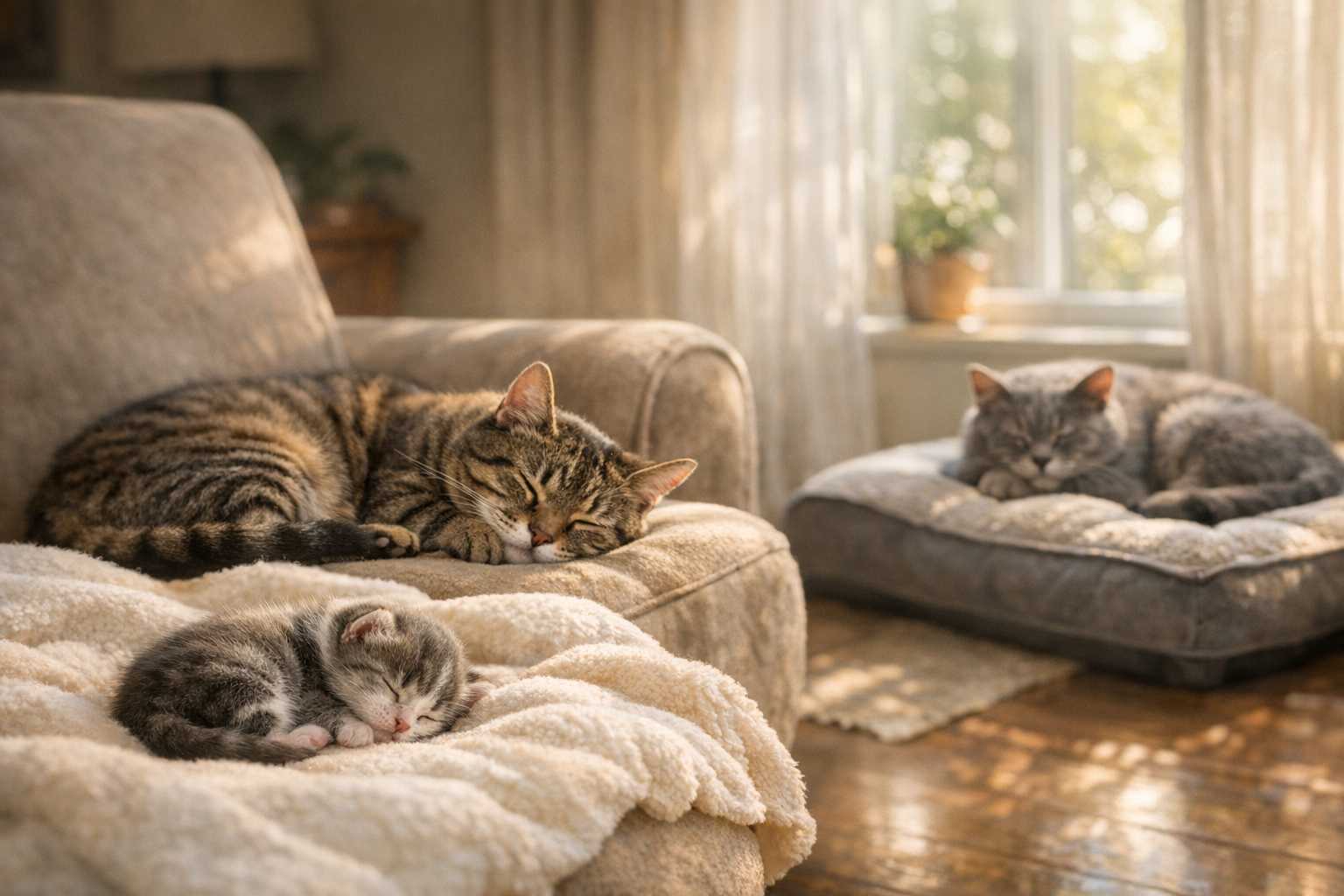
Understanding Why Cats Sleep a Lot
By nature, cats are predators. Extracting energy for hunting activities requires them to sleep and conserve energy. This applies to all cats, even those that live in homes, who seemingly sleep between 12 to 16 hours each day on average.
Historically, cats have been crepuscular hunters, implying that they were usually active around the crack of dawn and at dusk. This pattern remains true for modern day cats, which is why your furry companion might be tap-dancing on your face at 5 AM, signaling that it's playtime.
Sleep Patterns in Kittens (0-6 Months)
Newborn kittens deserve a title for being top-tier sleepers, considering they sleep for up to 22 hours a day. They require this substantial amount of sleep to aid in their quick growth and development.
For the initial two weeks, kittens aren't capable of regulating their body temperature, which necessitates them to snuggle up with their mother and fellow littermates for warmth. At this stage, they chiefly experience deep sleep which is instrumental in fostering healthy brain development.
As they grow older, kittens' sleep patterns gradually evolve. By the time they are six weeks old, they sleep roughly between 18 to 20 hours per day and develop a cat sleep routine that distinguishes between light and deep sleep phases.
Young kittens are yet to establish their circadian rhythms so they sleep and wake intermittently throughout the day. New cat owners may find this particularly exhausting, but rest assured that it is entirely normal.
Sleep in Adolescent Cats (6 Months - 2 Years)
Adolescents, or teenage cats begin sleeping like mature cats, usually sleeping 12-16 hours per day. You may observe their sleep patterns becoming more structured during this phase.
Teenage cats usually become more active during dusk, which might result in them dashing across the house in the evening. Animal behaviorists refer to this phenomenon as "zoomies" or "crazy time."
As they age, your young feline friend will start choosing favorite sleeping spots. They may alternate between several locations they prefer throughout the day, indicative of natural exploratory behavior.
Sleep at this stage becomes light and more alert. Your cat might wake up in an instant if something of interest occurs. This is a manifestation of their natural survival instinct.
Sleep Patterns of Adult Cats (2-7 Years)
Adult cats increasingly follow predictable sleep routines. They usually sleep anywhere from 12 to 15 hours a day and their sleep alternates between light napping and deep sleep.
Light sleeping constitutes about 75% of an adult cat's sleeping time during which they remain fairly alert to their surroundings. You might spot their ears twitching towards sounds, even when they are fast asleep.
The remaining 25% of the time is dedicated to deep or REM sleep, a period when cats dream and their bodies undergo repair. It's during this stage that you might notice your cat's whiskers or paws moving.
Adult felines tend to align their schedules with their human families. They familiarize themselves with your routine and adjust their sleeping accordingly. Many cats sleep when you're away at work and become playful when you return.
Changes in Sleep of Senior Cats (7+ Years)
Senior cats undergo considerable modifications in their sleep patterns. Their sleeping hours might increase up to 20 hours a day. This increased need for sleep is normal due to a decrease in their energy levels.
With age, cats seek warmer and softer sleeping spots. They might look for heated beds or bask under the sun due to arthritis and joint pain, making it paramount for them to find a comfortable sleeping position.
Sleep quality may deteriorate in senior cats resulting in more frequent wake-ups during the night. Similar to humans, some senior cats can develop cognitive dysfunction, akin to dementia in humans.
As cats age, they could become more vociferous at night due to discomfort, anxiety, or confusion. Night-time yowling is typical behavior for older cats, it's suggested that if this behavior continues, it's best to consult a veterinarian.
Distinguishing Normal from Concerning Sleep Changes
Developing an understanding of what can be considered as normal sleep changes can aid you in identifying possible problems in your cat. Generally, the gradual changes in sleep patterns are a part of natural aging. However, sudden changes in sleep patterns should be brought to the attention of a veterinarian.
Normal age-related changes include cats sleeping more as they age. It's also standard for older cats to seek warmer sleeping spots. Slight tweaks in sleep timing are usually not a cause for concern.
Concerning changes include sudden bouts of insomnia or hypersomnia. If your cat is having difficulty finding a comfortable position or keeps waking up, it might be indicative of pain. Disorientation upon waking could signal cognitive problems.
If your cat suddenly stops using its favorite sleeping spots, this could be indicative of mobility issues. Changes in breathing patterns during sleep should immediately be evaluated by a veterinarian.
Supportive Measures for Healthy Sleep at All Ages
Creating a conducive sleep environment goes a long way in ensuring that your cat enjoys restful sleep. Provide various comfortable sleeping spots across your home as cats enjoy having diverse options for different moods and temperatures.
For kittens, confirm that they have warm, safe sleeping areas. Soft blankets and enclosed beds can give them a sense of safety. Keep their sleeping area noise-free during daytime hours to promote healthy sleep.
Adult cats like variety in their sleeping locations. Offering them both elevated resting places and ground-level beds could be beneficial. Some cats favor enclosed spaces while others prefer open areas where they can keenly observe their surroundings.
Senior cats might require extra comforting features. Orthopedic beds can provide support for aging joints. Heated beds can ease arthritic muscles. Ensure that senior cats can access their favorite sleeping spots with ease.
When to Seek Professional Help
Regular veterinary check-ups can help keep a tab on your cat's overall health, including its sleep patterns. Annual exams are recommended for healthy adult cats. Senior cats should be brought in to see the vet twice a year.
In case you notice a sudden change in sleep duration or quality, contact your veterinarian. Excessive sleep accompanied by lethargy when awake could be indicative of disease. Difficulty sleeping or restlessness might indicate pain or anxiety.
Respiratory issues that occur during sleep are causes for instant concern. Loud snoring or labored breathing while asleep is not normal for cats. Such symptoms may suggest respiratory or cardiac issues.
Changes in your cat's preference for sleep location may indicate an underlying problem. If your normally social cat suddenly starts hiding to sleep, this might indicate stress or illness.
Creating an Optimal Sleeping Environment
The quality of your cat’s rest significantly hinges upon their sleeping environment. It's essential to provide various comfortable options matching their changing preferences throughout their lifetimes, and even during a single day.
Temperature control is vital for your cat's comfort. Cats favor sleeping in areas that are slightly warmer than what humans consider comfortable. Spots with access to sunlight, heated beds or areas near heat-emitting appliances are often preferred.
Noise levels can also impact the quality of a cat's sleep. While cats can sleep through most everyday household sounds, unexpected loud noises will undoubtedly startle them. Therefore, maintaining consistent noise levels in your cat's sleeping areas is recommended.
Feeling safe and secure is yet another priority for cats when choosing sleeping spots. They prefer locations where they feel shielded yet have a clear view of their surroundings. This demonstrates why cats usually sleep in compartments or on elevated spots.
Conclusion
Comprehending your feline friend's sleep requirements at varying life stages can facilitate providing better care. From drowsy kittens to serene senior cats, each stage carries unique requirements and challenges.
Remember, each cat is unique. While these guidelines cater to the majority of cats, your pet might display slightly different patterns. The key lies in understanding what's normal for your particular cat.
Watch out for changes in your cat's sleep habits. Gradual alterations are typically normal, but sudden shifts could signify health issues. Always consult with your vet if you have any concerns or doubts.
By respecting your cat's natural sleep routines and providing comfy resting spaces, you contribute to your pet’s health and happiness throughout its entire life.